
How to Lose Fat and Gain Muscle at the Same Time : The Complete Guide
How to Lose Fat and Gain Muscle at the Same Time : The Complete Guide
For years, conventional fitness wisdom said you had to pick one: cut fat or build muscle, never both. That thinking trapped people in endless bulking and cutting cycles, gaining muscle with unwanted fat, then losing fat along with hard-earned muscle.
The truth? Body recomposition is real. You can lose fat while building muscle simultaneously with the right approach. Science supports this, and thousands have done it successfully. You just need a deliberate strategy addressing nutrition, training, and recovery together.
This guide explains everything about losing fat and gaining muscle at once. Whether you’re starting out or have trained for years, these evidence-based strategies will transform your body composition and build the lean, strong physique you want.

Understanding Body Recomposition
Body recomposition means simultaneously decreasing body fat percentage while increasing lean muscle mass. We’re talking about body composition, not just weight. The scale might barely move, but your body can look dramatically different as you swap fat for muscle.
Here’s why: a pound of muscle takes up less space than a pound of fat. At 170 pounds, you could lose 10 pounds of fat and gain 10 pounds of muscle. Your weight stays identical, but you look completely transformed. Clothes fit better, you’re stronger, and your metabolism runs higher because muscle burns more calories at rest.
Who achieves recomposition best? Beginners new to structured training, people returning after a break, and those with excess body fat starting resistance training. Advanced lifters with low body fat find it harder (though possible) and might need to pick one goal for maximum efficiency.
Timeline matters. Body recomposition isn’t quick. While fat drops relatively fast on aggressive diets, muscle building takes time. Expect results over months, not weeks. The payoff? You’re building something sustainable, fundamentally changing your body’s composition permanently.

The Nutrition Blueprint for Success
Your diet is the foundation. Get this wrong, and no training will save you. Get it right, and you’ll be amazed at results.
Finding Your Calorie Sweet Spot
Conventional wisdom says you need a surplus to build muscle and a deficit to lose fat. How do you do both? A slight calorie deficit or maintenance level.
Drastically slashing calories drops weight quickly but costs muscle. Your body needs energy to repair and build tissue after workouts. Cut too deep, and muscle breaks down for fuel.
Aim for a modest deficit of 200-500 calories below maintenance. Not sure what that is? Multiply your body weight (in pounds) by 14-16 for a rough daily estimate, then subtract 200-300. Track progress for two weeks and adjust.
Some people, especially training newcomers, can eat at maintenance or slight surplus and still recompose. The muscle you’re gaining helps burn more fat over time.
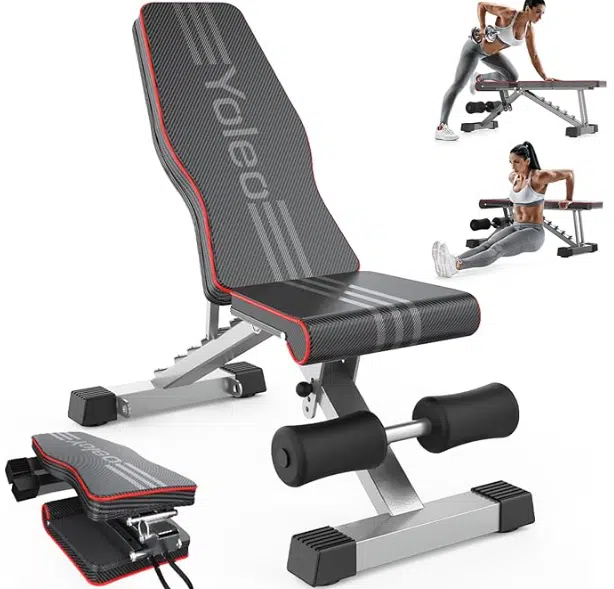
Yoleo Adjustable Weight Bench for Full Body Workout; Foldable Bench Press Bench of Home Gym Strength Training; Incline Decline Flat Utility Workout Bench with Quick Folding& Fast Adjustment (Black)
About this item
- 【Yoleo】is a fitness equipment brand that aims to provide affordable, durable and effective weight bench for the home
- 【Stable Structure】Heavy duty steel makes this weight bench a sturdy support for the toughest workouts. Mechanics construction based on the double-triangle structure and double supports create the best stability
- 【84 Adjustable Options& Fast Adjustment】 This workout bench offers 7 back adjustments, 4 seat adjustments and 3 leg adjustments. So this adjustable weight bench is also an incline, decline, or flat bench. It means you can perform movements on any of those planes. The ladder-style adjustment is fast and secure because a user can adjust it in a few seconds
Protein: Your Non-Negotiable Priority
Protein is the make-or-break factor. It provides amino acids for muscle repair and growth, has high thermic effect (burns calories during digestion), and keeps you fuller longer.
Aim for 1.0-1.5 grams per pound of body weight daily. At 160 pounds, that’s 160-240 grams daily. Research consistently shows higher protein preserves muscle during fat loss and supports growth. One study found consuming up to 4.4g/kg didn’t cause fat gain in hard-training individuals.
Spread protein throughout the day. Aim for 25-40 grams per meal, including post-workout.
Top protein sources: chicken breast, lean turkey, fish (salmon, tuna, cod), lean beef, eggs, Greek yogurt, cottage cheese, tofu, tempeh, lentils, beans, and protein powder.
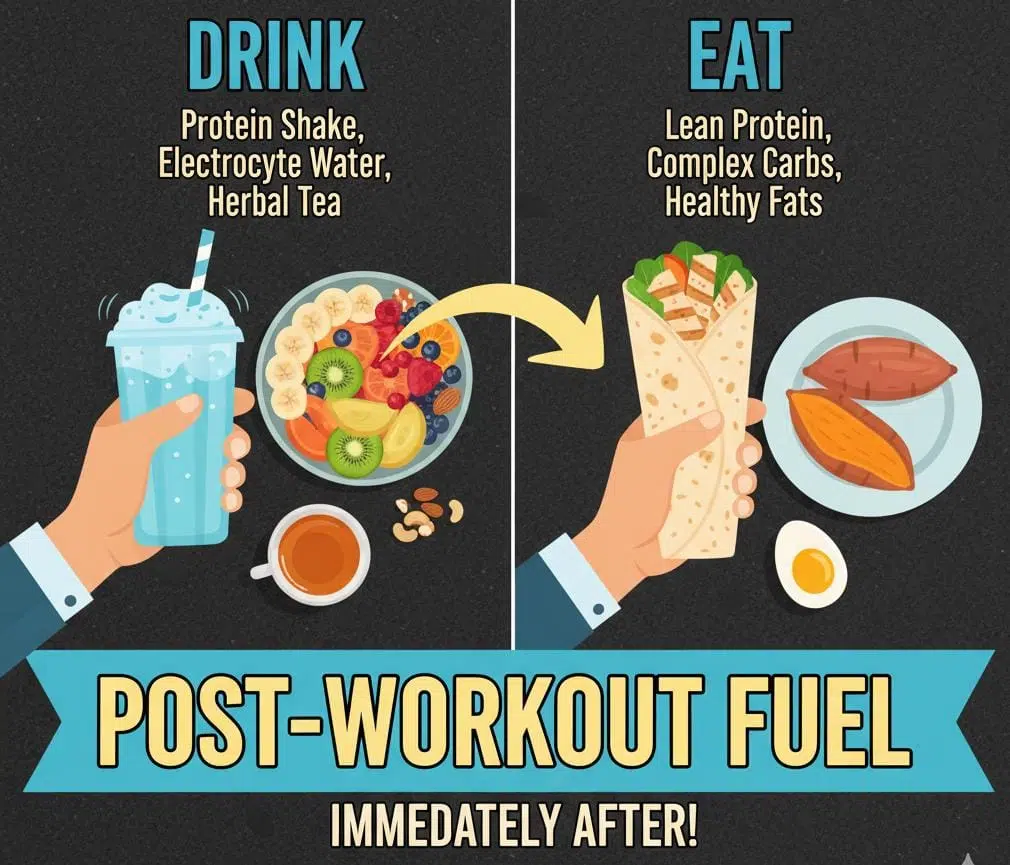
Protein shakes aren’t cheating they’re practical tools for hitting targets without feeling stuffed.

Strategic Carbohydrates and Healthy Fats
Carbs fuel intense workouts. Time them around training, consume most 1-2 hours before and after workouts. On training days, eat 150-250 grams. On rest days, reduce to 100-150 grams. This carb cycling fuels performance without excess storage.
Choose quality sources: oatmeal, whole grain bread, brown rice, quinoa, sweet potatoes, fruits, and vegetables. Fiber-rich options keep you full and support fat loss.
Healthy fats are essential for hormones, including testosterone. Aim for 0.4-0.5 grams per pound of body weight (20-30% of calories). For a 160-pound person, that’s 65-80 grams daily.
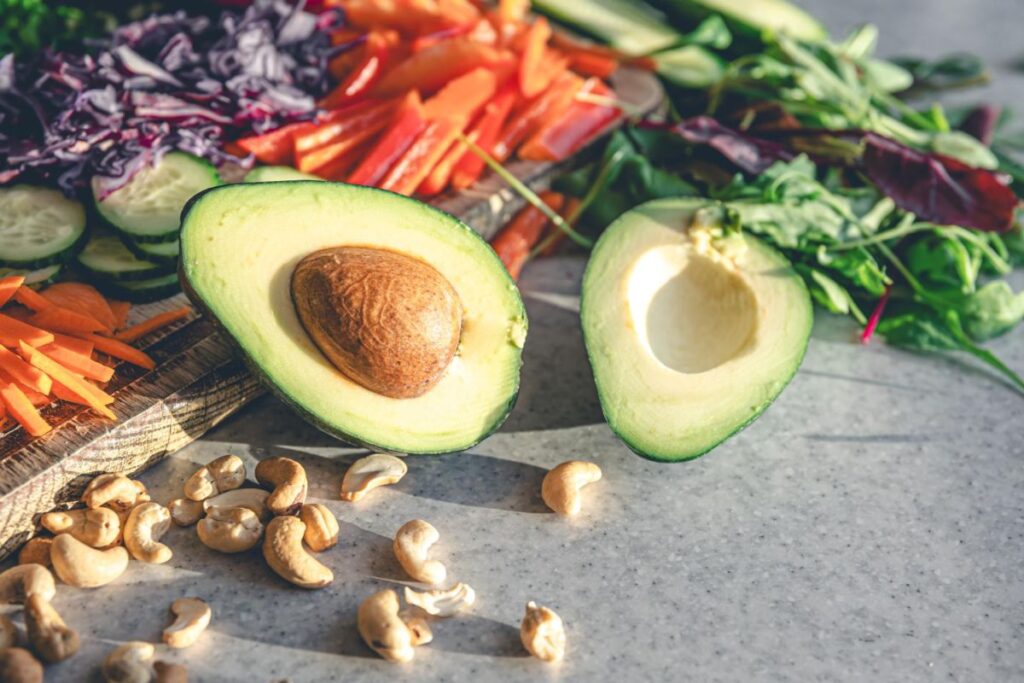
Focus on: avocados, olive oil, nuts, nut butters, fatty fish, whole eggs, seeds, and dark chocolate (moderate amounts). Don’t go too low on fats—it messes with hormones and energy.
Putting It All Together: Sample Daily Targets
Let’s say you’re a 170-pound person looking to recompose. Here’s what your macros might look like:
Training Day:
- Calories: 2,400
- Protein: 170-200g (680-800 calories)
- Carbs: 200g (800 calories)
- Fat: 70g (630 calories)
Rest Day:
- Calories: 2,100
- Protein: 170-200g (680-800 calories)
- Carbs: 130g (520 calories)
- Fat: 70g (630 calories)
These are starting points. Track your results for 2-3 weeks, then adjust based on what’s happening with your body composition, performance, and how you feel.
Nutrition Strategy Comparison Table
| Goal | Daily Calories | Protein (per lb bodyweight) | Carbohydrates | Fats | Best For |
|---|---|---|---|---|---|
| Fat Loss Only | 500-750 deficit | 1.0-1.2g | Low to moderate | 0.3-0.4g | Rapid weight loss, already muscular |
| Muscle Gain Only | 300-500 surplus | 0.8-1.0g | High (2.5-3g per lb) | 0.4-0.5g | Underweight, hardgainers, bulking phase |
| Body Recomposition | Maintenance to slight deficit | 1.2-1.5g | Moderate, timed around workouts | 0.4-0.5g | Beginners, returning athletes, sustainable change |
| Maintenance | Maintenance | 0.8-1.0g | Moderate | 0.4-0.5g | Already at goal, not actively transforming |
This table shows how body recomposition differs from traditional cutting or bulking approaches. The higher protein intake during recomposition preserves muscle while in a slight deficit, something that pure cutting approaches often sacrifice.
Quick Tips for Success
Meal Prep Smart: Cook proteins in bulk every Sunday. Grill 5 pounds of chicken, bake eggs, portion into containers. This removes daily decision fatigue.
Master Restaurant Menus: Order grilled proteins, double vegetables instead of fries, sauces on the side. Stay on track without becoming antisocial.
The 80/20 Rule: Be strict 80% of the time, flexible 20%. One Friday pizza slice won’t derail months of progress. Perfectionism leads to burnout.
Training for Simultaneous Fat Loss and Muscle Gain
Nutrition sets the stage, but training provides the stimulus for muscle growth. Without challenging your muscles through resistance training, you won’t build muscle tissue.
Resistance Training: Your Primary Focus
Lifting weights needs to be the cornerstone of your program. Focus on compound movements that work multiple muscle groups:
- Squats – Target quads, glutes, hamstrings, and core
- Deadlifts – Work your entire posterior chain
- Bench Press – Build chest, shoulders, and triceps
- Rows – Strengthen back and biceps
- Overhead Press – Develop shoulders and triceps
- Pull-ups/Chin-ups – Target back and biceps
Train 3-5 days per week. Most people do well with 4 days, offering enough stimulus without excessive fatigue. You can organize this as full-body routines, upper/lower splits, or push/pull/legs programs. Each muscle group should get hit at least twice weekly for optimal growth.
Progressive Overload: The Growth Driver
You must progressively challenge your muscles over time. This means gradually increasing demands through:
- Adding weight to the bar
- Doing more reps with the same weight
- Adding an extra set
- Improving form and range of motion
Track your workouts. If you squatted 185 pounds for 8 reps last week, try for 9 reps this week or bump it to 190 pounds. These small increments add up massively over time.
Mix different rep ranges:
- Heavy (4-6 reps): Builds strength. Rest 3-4 minutes between sets.
- Moderate (8-12 reps): Classic muscle-building range.
- Higher (12-15+ reps): Adds metabolic stress and endurance.

Cardiovascular Training: Strategic, Not Excessive
Cardio is secondary to lifting but still valuable. Too much can interfere with recovery and muscle growth. Too little might slow fat loss.
High-Intensity Interval Training (HIIT) is incredibly effective. These short, intense bursts jack up your metabolism and create an afterburn effect where you continue burning calories post-workout.
Sample HIIT session:
- 5-minute warm-up
- 8-10 rounds of: 20-30 seconds all-out effort, 60-90 seconds recovery
- 5-minute cool-down
Total time: 20-30 minutes. Do this with sprints, cycling, rowing, or bodyweight exercises. Aim for 1-3 sessions weekly.
Steady-State Cardio like brisk walking, easy jogging, or cycling also helps. Walking 30-45 minutes daily is an underrated fat-loss tool that doesn’t interfere with lifting recovery.
Sample Weekly Schedule:
Monday: Upper body strength (60 mins)
Tuesday: HIIT (25 mins) + walking
Wednesday: Lower body strength (60 mins)
Thursday: Rest or light activity
Friday: Upper body strength (60 mins)
Saturday: Lower body strength (60 mins)
Sunday: Steady cardio or rest
Sample 4-Week Training Template
| Week | Strength Focus | Cardio Sessions | Rest Days | Progressive Overload Strategy |
|---|---|---|---|---|
| Week 1 | 4 sessions, 3 sets of 8-10 reps | 2 HIIT sessions | 2 full rest | Establish baseline weights |
| Week 2 | 4 sessions, 3 sets of 8-10 reps | 2 HIIT sessions | 2 full rest | Add 5-10 lbs to main lifts |
| Week 3 | 4 sessions, 4 sets of 8-10 reps | 2 HIIT, 1 steady | 2 full rest | Additional set on compounds |
| Week 4 | 3 sessions, 3 sets of 6-8 reps | 1 HIIT only | 3 full rest | Deload week, reduce volume 40% |
The deload week in Week 4 allows recovery and prevents burnout. After this cycle, repeat with heavier weights or more challenging variations.
Recovery and Lifestyle: The Hidden Game-Changers
Training breaks your muscles down. Nutrition provides the building blocks. Recovery is when growth actually happens.
Sleep: Your Most Powerful Tool
Quality sleep is massively underrated. When you sleep, your body releases growth hormone, repairs muscle tissue, and regulates hunger hormones.
Aim for 7-9 hours nightly. Research shows people sleeping less than 6 hours lose significantly more muscle when dieting. One study found dieters sleeping 5.5 hours lost 60% of their weight from muscle, while those sleeping 8.5 hours lost 80% from fat.
Poor sleep also increases hunger hormones and decreases satiety signals, making you hungrier and more likely to overeat.
Improve sleep by:
- Keeping a consistent schedule
- Making your bedroom cool, dark, and quiet
- Avoiding screens before bed
- Limiting caffeine after 2 PM
Hydration and Daily Activity
Water supports every metabolic process. Drink at least half your body weight in ounces daily. A 180-pound person needs 90 ounces (about 11 cups).
Increase NEAT (non-exercise activity thermogenesis) by:
- Walking during phone calls
- Taking stairs instead of elevators
- Standing periodically at your desk
- Doing active hobbies
These activities can burn an extra 200-500 calories daily without feeling like exercise.
Tracking Progress Beyond the Scale
The bathroom scale tells an incomplete story. You need multiple metrics to gauge real progress.
Measure what matters:
- Body measurements: Track waist, hips, chest, arms, thighs monthly
- Progress photos: Weekly or biweekly in consistent lighting and clothing
- Strength gains: Lifting heavier or doing more reps signals muscle growth
- How clothes fit: Pants looser in the waist but tighter in legs = winning
- Energy levels: Feeling strong during workouts means you’re fueling properly
Track everything for 2-3 weeks before making changes. Look for trends, not daily fluctuations.
If losing strength or feeling exhausted, add 100-200 calories around workouts. If not losing fat after a month, reduce calories slightly or add cardio. If losing fat but not gaining strength, check your protein and progressive overload.
Supplements: Helpful Additions, Not Requirements
Supplements fill gaps but don’t create results from nothing.
Worth considering:
- Protein powder: Convenient for hitting protein targets. Whey, casein, or plant-based all work.
- Creatine monohydrate: Improves strength and muscle growth. Take 3-5g daily.
- Caffeine: Enhances workout performance. Time it before training.
- Omega-3s: Support recovery if you don’t eat fatty fish regularly.
Skip: Fat burners, testosterone boosters, and BCAAs if you’re eating enough protein. Most are overpriced and ineffective.
Expert Insights
On Plateaus: When fat loss stalls 3-4 weeks despite consistency, try a “refeed day” at maintenance calories with higher carbs. This resets metabolic hormones and kickstarts progress.
Form Over Ego: A perfect squat at 135 pounds builds more muscle than sloppy 225 pounds. Video yourself lifting to spot form issues you can’t feel.
Recovery Isn’t Optional: Beginners can train 6 days weekly. After a year of serious training, most need at least 2 full rest days. Listen to your body, not Instagram motivation.
Questions and Answers: Real Scenarios Solved
Q: I’m eating 1,800 calories with high protein but seeing no changes after three weeks. What’s wrong?
Three weeks isn’t long enough to judge recomposition. Water weight fluctuates, especially when starting new training. Muscles hold extra water for repair, masking fat loss on the scale. Give it 6-8 weeks minimum. Double-check tracking accuracy—forgotten cooking oils, weekend drinks, and sample bites add up. Use a food scale for two weeks to verify portions.
Q: Can I do body recomposition if I’m over 40?
Absolutely. While hormonal changes affect fat distribution and muscle building slows slightly, the principles remain identical. You might need more recovery between sessions and should prioritize sleep more strictly. Many people in their 40s, 50s, and beyond successfully recompose. The timeline might extend to a year, but results happen.
Q: I travel constantly. How do I maintain this on the road?
Pack protein powder and individual nut butter packets. Stock hotel mini-fridges with Greek yogurt, deli turkey, and string cheese from nearby stores. Use hotel gyms or bodyweight circuits in your room. Many chain restaurants list calories online. Planning ahead beats hoping for the best.
Q: My weight hasn’t changed in a month, but people say I look different. Am I progressing?
Yes, that’s exactly what recomposition looks like. You’re losing fat while gaining muscle at similar rates, keeping scale weight stable. Progress photos, measurements, and how clothes fit matter more than numbers. If your waist shrinks and strength increases, you’re winning.
Q: Can I drink alcohol and still see results?
Moderate drinking won’t destroy progress but slows it. Alcohol provides empty calories, triggers poor food choices, disrupts sleep, and temporarily impairs muscle protein synthesis. Limit to 2-3 occasions weekly and account for those calories in daily targets.
Frequently Asked Questions
How long does body recomposition take?
Expect visible changes in 8-12 weeks, significant transformation in 6-9 months. Beginners see faster initial changes than advanced lifters.
Can women build muscle effectively?
Absolutely. Women build muscle at 50-75% the rate of men due to hormones, but principles remain identical. Don’t fear “getting bulky”—it requires years of dedicated effort.
Do I need to count calories forever?
Initially, yes. After 2-3 months, many develop intuitive eating skills. Some prefer continued tracking for accountability. Both approaches work.
What if I can only train 3 days weekly?
Three well-planned full-body sessions work fine. You’ll progress slower than someone training 5 days, but consistency with three beats sporadic five-day attempts.
Should I do cardio before or after weights?
After weights or on separate days. Intense cardio before lifting leaves you fatigued for strength training, which is your primary muscle-building stimulus.
Common Mistakes to Avoid
Not Eating Enough Protein: If you’re not hitting 1-1.5g per pound daily, muscle growth suffers regardless of training intensity.
No Progressive Overload: Lifting identical weights for identical reps month after month won’t build muscle. Track workouts and steadily increase challenge.
Excessive Cardio: Hours of cardio interferes with recovery and muscle growth. Keep it strategic.
Impatience: Expect 3-6 months for significant results. The scale might barely move while your body transforms.
Poor Sleep: You can’t out-train bad sleep. Those 7-9 hours are when muscles actually grow and repair.
Setting Realistic Expectations
Sustainable fat loss while building muscle means losing 0.5-1 pound of fat weekly. Over six months, expect to lose 15 pounds of fat and gain 5 pounds of muscle. Your scale drops 10 pounds, but you look like you lost 20 because muscle is denser than fat.
This isn’t as dramatic as crash diets promising 30 pounds in 30 days, but it’s real, sustainable change that lasts.
Your Action Plan
Week One Steps:
- Calculate maintenance calories (bodyweight × 14-16), subtract 200-300
- Set protein at 1-1.5g per pound of body weight
- Plan 4 weekly workouts focused on compound lifts
- Take baseline photos and measurements
- Download tracking app for food and workouts
Start simple. You don’t need perfection from day one. Begin with these fundamentals and adjust as you learn what works for your body.
Final Thoughts
Body recomposition works with patience and consistency. Expect visible changes in 8-12 weeks, remarkable transformation in 6-9 months. Your strength will climb, clothes will fit differently, energy will improve.
Don’t obsess over the scale. Focus on gym performance and how you feel. Lifting heavier? More energy? Measurements changing? These indicators matter more than daily weight fluctuations.
This is about sustainable lifestyle, not temporary dieting. Habits you develop now serve you for years. Every workout completed, every protein-rich meal, every good night’s sleep invests in the body and health you want.
The simultaneous fat loss and muscle gain you’re after is possible. With strategic nutrition centered on protein, smart resistance training with progressive overload, and adequate recovery, you can reshape your body composition. It’s not magic or genetics—it’s science applied consistently over time.
Ready to start your transformation? Your future self will thank you for beginning today.