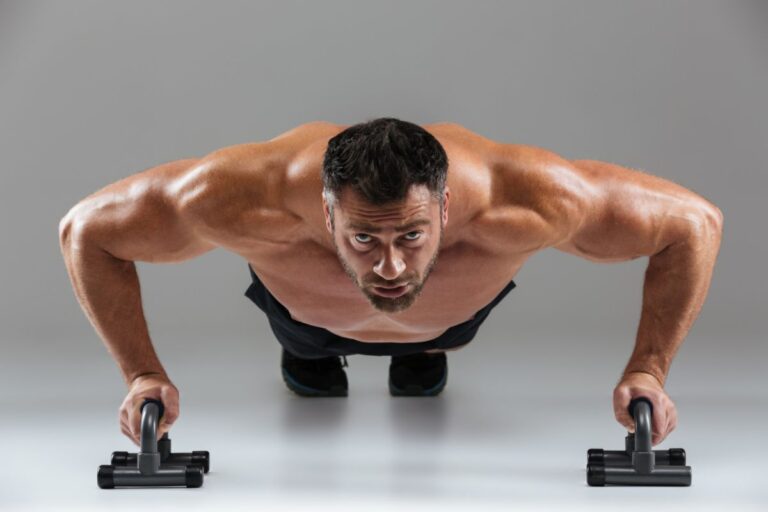

How To Recover The Sore Deltoids After A Workout? | Fitness & Recovery Guide
How To Recover The Sore Deltoids After a Workout? | Fitness & Recovery Guide
If you have ever finished a tough shoulder session and woken up the next morning barely able to lift your arm, you already know the feeling. Sore deltoids after a workout are one of the most common complaints in the gym world, and for good reason. These muscles are involved in almost every upper body movement you do, from pressing and pulling to stabilizing during squats and rows.
Knowing how to recover the sore deltoids after a workout is not just about managing discomfort. It directly affects how quickly you get back to training, how well your muscles grow, and whether you stay injury-free long term. This guide breaks everything down in a practical, no-fluff way so you can actually use it.
Key Takeaways
Here is a quick summary of what matters most:
- DOMS in the deltoids is normal and typically resolves within 24 to 72 hours.
- Stretch, hydrate, and refuel within the first hour after training.
- Use cold therapy in the first 24 hours and heat after that.
- Deltoid muscle pain when sleeping is best managed by sleeping on your back with suppor.t
- Deltoid muscle pain after injection usually resolves within a few days with gentle movement and warmth.
- Know the difference between deltoid strain vs rotator cuff injury and deltoid strain vs tear to avoid making things worse.
- Deltoid strain recovery time ranges from days for mild DOMS to weeks for actual strains.
- Lateral deltoid pain often signals volume overload or form issues that need correcting.
- Long-term habits like sleep, gradual progression, and balanced programming reduce soreness significantly.
- If pain is sharp, persistent, or accompanied by weakness, see a professional.
Quick Tip:
A simple post-workout recovery snack:
Greek yogurt with a handful of berries and a drizzle of honey. You get protein, anti-inflammatory antioxidants, and fast-digesting carbs all in one.
Why Do Your Deltoids Get So Sore?
The deltoid is made up of three heads: the anterior (front), lateral (side), and posterior (rear). Each one gets hit differently depending on the exercise you’re doing. Front raises and overhead pressing load the anterior head. Lateral raises and upright rows target the side. Rear delt flys and face pulls work the posterior.
When you train these muscles, especially with high volume or weights you are not fully adapted to, you create microscopic damage in the muscle fibers. This triggers an inflammatory response that causes what most people know as Delayed Onset Muscle Soreness, or DOMS. The result is that familiar stiffness and aching that peaks around 24 to 48 hours after training.
Common triggers include performing too many sets of shoulder presses, jumping straight into isolation work like lateral raises without warming up, or suddenly increasing the weight. Even compound movements like bench press and pull-ups place significant demand on the deltoids, which can compound the fatigue.

How To Recover The Sore Deltoids After a Workout: Immediate Steps
What you do in the first hour after a hard shoulder session can meaningfully reduce how sore you feel the next day. The goal here is simple: reduce inflammation, restore circulation, and give your muscles the nutrients they need to start repairing.
1. Stretch Right After You Train
Spend five to ten minutes on light shoulder stretches before you leave the gym. A cross-body arm stretch, doorway chest opener, or overhead tricep stretch will all engage the deltoid area. These movements increase blood flow to the muscles and reduce the buildup of metabolic waste products that contribute to soreness.
2. Hydrate Properly
Muscles that are dehydrated take longer to recover. Drink water consistently throughout your workout and continue after. Adding electrolytes like sodium, potassium, and magnesium helps replace what you lose through sweat and supports muscle function.
3. Eat for Recovery
Your deltoids cannot repair themselves without the right building blocks. A post-workout meal or shake with quality protein and carbohydrates within 60 to 90 minutes of training significantly speeds up shoulder pain after workout treatment. Aim for lean protein sources like chicken, eggs, Greek yogurt, or a plant-based option like lentils or tofu. Pair this with a carbohydrate source to replenish glycogen and support the repair process.
Shoulder Pain After Workout Treatment: What Actually Works
Once soreness sets in, you have several tools to manage it. The key is knowing which one to use and when.
Cold Therapy in the First 24 Hours
Applying an ice pack or cold compress wrapped in a cloth to the shoulder area for 15 to 20 minutes can help calm acute inflammation. This works best in the first day after training, when the inflammatory response is most active. Never apply ice directly to the skin.
Heat Therapy After the First Day
Once initial inflammation has started to settle, shifting to heat can be helpful. A warm compress, heating pad, or hot shower relaxes the muscle tissue, increases blood flow, and eases stiffness. This is particularly effective on day two or three when tightness is the main complaint rather than sharp pain.

Foam Rolling and Self-Massage
A foam roller or massage ball can release tension in the surrounding muscles like the traps, upper back, and pecs, which often contribute to how tight the shoulder feels. Work slowly around the shoulder area, pausing on tight spots for five to ten seconds. Avoid rolling directly over joints.
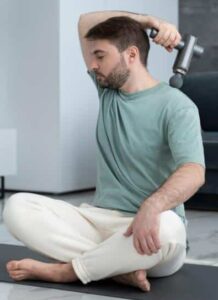
Massage guns are another strong option for deltoid muscle pain treatment. Percussive therapy applied at a low setting around the deltoid and upper back area can reduce stiffness and increase circulation. Start gentle, especially if the area is very sore.
Deltoid Strain vs Rotator Cuff vs Tear: Know the Difference
Not all shoulder pain is the same, and treating them incorrectly can make things worse. Here is a comparison to help you understand what you might be dealing with:
| Condition | Main Cause | Pain Type | Recovery Time | When to See a Doctor |
| DOMS (Normal Soreness) | Micro-tears from training | Dull, diffuse ache | 24–72 hours | No, unless it lingers 7+ days |
| Deltoid Strain | Overstretching or overload | Sharp, localized | 1–6 weeks | Yes, if severe |
| Deltoid Tear | Sudden force or trauma | Intense, immediate pain | 6–12+ weeks | Yes, promptly |
| Rotator Cuff Issue | Repetitive overhead motion | Deep ache, weakness | Weeks to months | Yes, for imaging |
| Injection-Related Pain | Post-vaccination irritation | Soreness at injection site | 1–7 days | If swelling worsens |
Understanding the difference between a deltoid strain vs tear is critical. A strain involves overstretching or partial damage to muscle fibers, while a tear means the muscle tissue has been significantly disrupted. Deltoid strain recovery time for a mild case can be as short as a week or two with proper care. A tear, especially a complete one, may require medical intervention and months of rehabilitation.
Similarly, understanding deltoid strain vs rotator cuff is important because the symptoms can overlap. The rotator cuff sits deeper in the shoulder and involves four stabilizing muscles. Rotator cuff injuries often come with notable weakness in addition to pain and may not respond to the same recovery approaches that work for deltoid DOMS.
Expert Tip:
If you feel a sharp, sudden pain during a press or raise, stop immediately. Sharp pain that does not dull within a few minutes is not normal soreness. Get it evaluated before training that muscle group again.
Deltoid Muscle Pain When Sleeping: How to Handle It
Many people notice that deltoid muscle pain when sleeping is actually worse than during the day. When you lie on your side, your body weight compresses the already inflamed shoulder, interrupting sleep and sometimes waking you up entirely.
The best approach is to sleep on your back if possible. If you are a side sleeper, try sleeping on the non-affected shoulder and place a pillow under the sore arm for support. Elevating the shoulder slightly reduces fluid buildup overnight and can take the edge off the discomfort. Avoid sleeping with your arm raised above your head, as this position puts the deltoid and rotator cuff under additional tension.
- Sleep on your back to take pressure off the shoulder
- Use a pillow under the sore arm when side-sleeping
- Avoid raising the arm overhead while resting
- A light heat pad on a low setting before bed can relax the muscle
Deltoid Muscle Pain After Injection: What You Need to Know
Deltoid muscle pain after injection is a common occurrence, especially following flu shots, COVID-19 vaccines, or B12 injections. The deltoid is the most common site for intramuscular injections, and localized soreness afterward is a normal immune and tissue response.
The pain typically peaks within 12 to 24 hours and fades within a few days. Applying a warm compress to the injection site, keeping the arm gently moving rather than immobilized, and taking an over-the-counter anti-inflammatory if appropriate can all help. If the area becomes increasingly red, swollen, or warm after 48 hours, or if pain is spreading rather than reducing, contact your healthcare provider as this may indicate a different type of reaction.
Lateral Deltoid Pain: A Specific Problem That Needs Specific Attention
Lateral deltoid pain is often the result of excessive lateral raise volume, performing them with too much weight, or using poor form that shifts the load onto the shoulder joint rather than the muscle. The side head of the deltoid is relatively small compared to the work it is often asked to do in many popular shoulder programs.
For deltoid muscle pain treatment of the lateral head specifically, focus on reducing the range of motion slightly when the soreness is at its peak, warming up with very light band exercises before shoulder work, and avoiding any movement that causes sharp or stabbing pain at the side of the shoulder. Adding rear delt and upper back work to your program helps balance the load across the shoulder and reduces lateral delt overuse over time.
Long-Term Habits That Actually Prevent Sore Deltoids From Holding You Back
Short-term fixes matter, but the real goal is building habits that reduce how sore you get and how fast you recover every time. Here is what consistently works:
Prioritize Sleep
Deep sleep is when your body releases growth hormone and does the bulk of its muscle repair work. Seven to nine hours a night makes a measurable difference in recovery speed. If you are training hard but sleeping poorly, the shoulder soreness will linger longer and injuries become more likely.
Warm Up Properly Every Time
Warming up is not just about preventing injury. A good dynamic warm-up with arm circles, band pull-aparts, and light rotator cuff activation exercises reduces the severity of post-exercise soreness. Blood flow to the deltoids before loading them means less damage and faster recovery afterward.
Do Not Skip the Rear Delt Work
Many gym programs are front-loaded, meaning they include a lot of pressing and front-raise movements that hammer the anterior deltoid. Balancing your program with rear delt flys, face pulls, and horizontal rows keeps the shoulder joint healthy and prevents the kind of imbalance that leads to chronic soreness and injury.
Increase Volume Gradually
One of the most common causes of severe DOMS is ramping up too fast. Add volume in small increments, roughly five to ten percent per week, and give your body time to adapt before pushing further. Progressive overload is a tool that should be used with some patience.
Anti-Inflammatory Nutrition
What you eat between sessions matters as much as what you eat right after. Foods rich in omega-3 fatty acids like salmon, sardines, flaxseeds, and walnuts help reduce baseline inflammation levels in the body. Berries, leafy greens, and turmeric are also worth adding regularly. Protein intake of around 1.6 to 2.2 grams per kilogram of body weight supports ongoing muscle repair, not just recovery from a single hard session.
Expert Tip:
Magnesium glycinate taken before bed supports muscle relaxation and sleep quality simultaneously. It is one of the most underused recovery tools in strength training.
Light Exercises That Help You Recover Faster
Complete rest is rarely the best option for sore deltoids. Light, controlled movement keeps blood circulating and often speeds up how quickly you recover the sore deltoids after a workout compared to doing nothing at all.
- Small shoulder circles: Extend your arms out and rotate slowly in both directions to encourage joint mobility and blood flow
- Wall slides: Stand against a wall and slowly slide your arms upward and back down, keeping contact throughout
- Band pull-aparts: Hold a resistance band at chest height and pull it apart with control. This activates the rear deltoid without loading the joint heavily
- Cat-cow stretch: On hands and knees, alternate between arching and rounding your spine. This relieves tension across the entire upper back and shoulder region
- Pendulum swings: Lean slightly forward, let the sore arm hang freely, and swing it gently in small circles. This decompresses the shoulder joint
Perform these at a gentle pace. The goal is circulation and mobility, not intensity. If something causes sharp discomfort, skip it.
When Soreness Is a Warning Sign, Not Just Normal Recovery
Normal soreness feels like a dull ache that peaks around 24 to 48 hours and steadily improves over the following days. There are certain signs that suggest something more serious is going on and that you should stop self-treating and see a professional.
- Sharp or stabbing pain that comes on suddenly during exercise
- Pain that does not improve after five to seven days
- Visible swelling, bruising, or warmth around the shoulder
- Significant weakness when trying to lift the arm
- Numbness or tingling that runs down the arm
- Pain that is worse at night and does not ease with position changes
These symptoms can indicate a deltoid tear, rotator cuff injury, shoulder impingement, or bursitis. A physiotherapist or sports medicine doctor can properly assess the shoulder and guide you toward the right treatment rather than guessing.
Frequently Asked Questions
| Question | Answer |
| How long should sore deltoids take to recover? | Typical DOMS clears up in 24 to 72 hours. A deltoid strain recovery time can range from 1 to 6 weeks depending on severity and how well you rest. |
| Can I train with sore shoulders? | Light movement is fine, but avoid heavy pressing or overhead loading until the soreness drops to a manageable level. |
| What is the difference between a deltoid strain vs rotator cuff injury? | A deltoid strain affects the outer shoulder muscle directly, while rotator cuff issues involve the deeper stabilizer muscles. Rotator cuff problems often cause weakness and a deeper, more persistent ache. |
| Why do my deltoids hurt when sleeping? | Deltoid muscle pain when sleeping usually happens because you are putting pressure on an inflamed muscle. Try sleeping on your back or opposite side, and use a pillow for support. |
| Why do I have deltoid muscle pain after injection? | Deltoid muscle pain after injection, especially after vaccines, is caused by localized inflammation at the injection site. It typically fades within a few days. Gentle movement and a warm compress can speed things up. |
Key Takeaway:
Recovery is not passive. What you do in the hours and days after a shoulder workout is just as important as the workout itself. Rest, nutrition, movement, and smart habits all work together to heal sore deltoids faster.
Getting Back to Training the Right Way
Sore deltoids are part of pushing yourself in the gym. The fact that they ache means you challenged the muscle and gave it a reason to grow. However, the growth does not happen during the workout. It happens during recovery.
How to recover the sore deltoids after a workout comes down to doing the basics consistently well. Stretch before you leave the gym. Eat enough protein. Sleep properly. Use heat, massage, and light movement in the days after a hard session. Understand your pain well enough to know when it is normal and when something needs proper attention.
Your deltoids are involved in nearly everything you do in the gym. Taking care of them after training is one of the smartest investments, you can make in your overall progress. Treat recovery as part of your program, not an afterthought, and you will train harder, stay healthier, and see better results over time.
Remember: Rest, fuel, hydrate, and move smartly, the pillars of effective recovery.
Disclaimer:
Article by bestgymexercises.com for informational purposes only. Consult a healthcare professional for persistent or severe shoulder pain.