
5 Chair Exercises That Strengthen Legs Better Than Squats After 50
5 Chair Exercises That Strengthen Legs Better Than Squats After 50
Introduction
As we age, our legs naturally lose strength, flexibility, and endurance. After 50, it becomes even more important to focus on exercises that keep your lower body strong, stable, and mobile. But here’s the problem: traditional squats though effective can often feel painful or risky for older adults, especially those with knee discomfort, joint stiffness, or balance issues.
The good news is that chair-based exercises can strengthen your legs just as effectively as squats, without the pain or strain. These low-impact workouts are safe, simple, and incredibly powerful when done consistently.
You don’t need a gym membership, fancy weights, or expensive equipment. All you need is a sturdy chair (costing less than $20) and a few minutes a day to regain control, confidence, and strength in your legs.
In this article, we’ll cover five of the best chair exercises that help you build stronger legs, improve balance, and increase mobility all designed for people over 50.

Why Choose Chair Exercises After 50?
Chair exercises are not only convenient but also one of the safest forms of resistance training for older adults. Unlike traditional workouts that load the knees and hips heavily, chair workouts offer controlled movement and stability while still engaging major leg muscles like the quadriceps, hamstrings, glutes, and calves.
They also help:
- Reduce the risk of falls and injuries
- Strengthen bones and joints
- Improve circulation and muscle endurance
- Support weight management and metabolism
Regular practice can make everyday activities like climbing stairs, standing up, or walking long distances easier and pain-free.
1. Chair Sit-to-Stands
Overview
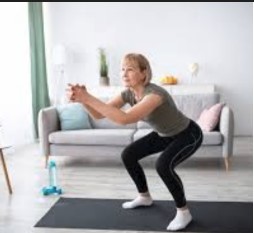
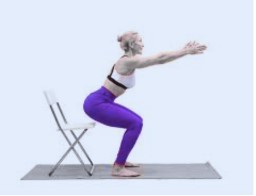
The Sit-to-Stand is often called the “functional squat.” It mimics the action of sitting down and standing up something you do several times a day and directly strengthens your quads, glutes, and hamstrings.
How to Do It
- Sit on the edge of a sturdy chair, feet flat on the floor, hip-width apart.
- Cross your arms over your chest or keep them straight in front for balance.
- Press through your heels and slowly stand up.
- Pause for a second, then lower yourself back down under control.
Repeat: 10–15 reps, 2–3 sets.
Trainer’s Tip
Make sure your knees don’t cave inward. Keep your weight in your heels and core tight to maintain good form.
Benefits
- Builds leg and glute strength
- Improves balance and posture
- Boosts independence in daily activities
2. Seated Leg Extensions
Overview
If knee pain or arthritis limits your range of motion, Seated Leg Extensions are an excellent choice. This exercise isolates and strengthens the quadriceps the main muscle group that supports your knees.
How to Do It
- Sit tall in the chair, feet flat on the ground.
- Slowly extend your right leg until it’s straight.
- Hold for 2–3 seconds, feeling the contraction in your thigh.
- Lower your foot back down and switch legs.
Repeat: 10–12 reps per leg, 2–3 sets.
Optional: You can add light ankle weights (1–2 lbs) for extra resistance.
Benefits
- Strengthens the quadriceps
- Reduces knee pain and stiffness
- Improves flexibility and joint mobility
Pro Tip
Focus on slow, controlled movements. Avoid “swinging” the leg that reduces effectiveness.
3. Chair Step-Ups
Overview
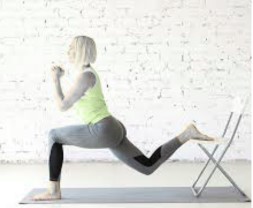
Chair Step-Ups mimic the action of climbing stairs and are great for building lower-body strength, balance, and coordination. They primarily target the quads, hamstrings, and glutes.
How to Do It
- Place your right foot on the seat of a stable chair or a low step.
- Push through your heel to lift your body up, bringing your left foot to meet the right.
- Step down slowly, right foot first, then left.
- Alternate leading legs each round.
Repeat: 10–12 reps per leg, 2–3 sets.
Safety Note
Make sure the chair is stable and non-slip. Beginners can hold onto a wall or countertop for extra support.
Benefits
- Builds leg power and balance
- Improves cardiovascular endurance
- Strengthens the glutes and thighs
4. Seated Marching
Overview
Seated Marching is a gentle yet effective cardio exercise that engages your hip flexors, thighs, and core. It also promotes better circulation and coordination — essential for active aging.
How to Do It
- Sit tall in your chair with your feet flat on the floor.
- Lift one knee toward your chest, then lower it.
- Repeat with the other leg, alternating like a marching motion.
- Pump your arms for added rhythm and core engagement.
Repeat: March for 1–2 minutes, rest, and complete 3 rounds.
Benefits
- Improves circulation and coordination
- Strengthens hip flexors and thighs
- Helps maintain mobility and stability
Variation
To make it more challenging, loop a resistance band around your thighs for light resistance.
5. Chair Calf Raises
Overview
Calf muscles are crucial for walking, climbing, and maintaining balance. Chair Calf Raises help strengthen the calves and improve ankle stability, which can reduce fall risk.
How to Do It
- Sit with your back straight and feet flat on the floor.
- Lift your heels off the ground as high as possible, squeezing your calves at the top.
- Hold for 2 seconds, then lower your heels back down slowly.
Repeat: 15–20 reps, 2–3 sets.
Benefits
- Strengthens calves and ankles
- Improves circulation
- Enhances balance and walking power
Optional
For added resistance, place a small dumbbell or weighted bag on your knees.
Comparison Table: Chair Exercises vs Squats
| Exercise Type | Impact Level | Joint Stress | Best For Age 50+ | Muscle Groups Targeted |
|---|---|---|---|---|
| Traditional Squats | High | Moderate to High | Moderate | Quads, Glutes, Hamstrings |
| Chair Sit-to-Stands | Low | Very Low | Excellent | Quads, Glutes |
| Seated Leg Extensions | Low | Very Low | Excellent | Quads |
| Chair Step-Ups | Moderate | Low | Excellent | Quads, Glutes, Hamstrings |
| Seated Marching | Very Low | Very Low | Excellent | Hips, Core, Thighs |
| Chair Calf Raises | Very Low | Minimal | Excellent | Calves, Ankles |
This table shows how chair exercises provide similar muscle engagement as squats, but with significantly less stress on your joints and knees making them ideal for people over 50.
Getting Started: How to Build a Chair Workout Routine
Starting a new exercise routine after 50 doesn’t need to be intimidating. The key is to start small and stay consistent.
1. Choose the Right Chair
Use a sturdy, non-rolling chair with a flat seat and no armrests. It should be high enough so that your knees form a 90-degree angle when sitting.
2. Warm Up First
Always start with a gentle warm-up such as shoulder rolls, ankle circles, or light marching in place — for 5 minutes to loosen joints and improve blood flow.
3. Follow a Balanced Plan
Try performing all five chair exercises as a circuit. Do each move for 10–15 reps, rest for 30 seconds, and repeat the full circuit 2–3 times.
4. Track Your Progress
Keep a simple log of your workouts. Note how many reps or sets you complete and gradually increase over time.
5. Stay Consistent
Even 15–20 minutes a day, three to four times per week, can make a noticeable difference in your strength and stability within a month.
Safety Tips
- Consult your doctor before starting any new exercise program.
- Stop immediately if you feel sharp pain or dizziness.
- Maintain good posture and avoid rushing movements.
- Stay hydrated and wear supportive footwear.
Conclusion
After 50, strong legs are the foundation of independence, balance, and confidence. You don’t have to rely on heavy squats or high-impact workouts to stay fit. With just a simple chair and consistent effort, you can tone your legs, strengthen your joints, and feel more energetic every day.
Chair exercises are proof that smart, low-impact fitness can deliver powerful results — no gym or expensive equipment required. So, grab your chair, take a deep breath, and start moving today.