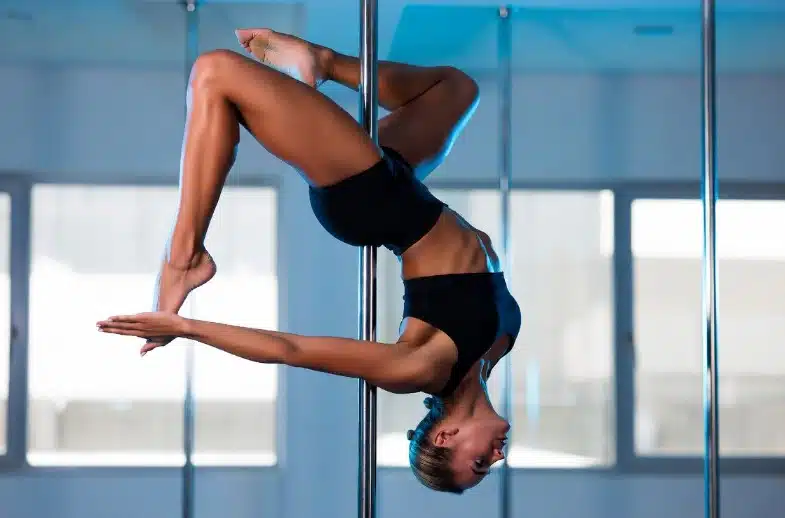

Gym Exercises for Back and Shoulders
Strength That Shapes You: The Most Effective Gym Exercises for Back and Shoulders
Building a powerful upper body is not just about looks, it supports your posture, daily movement, and long-term joint health. When you combine targeted gym exercises for back and shoulders, your body becomes stronger, more stable, and far less prone to stiffness or discomfort. Whether you are trying to correct slouching, lift better, or simply improve your physique, the right routine can transform everything.
In this guide, you will discover simple, practical, and well-structured movements that anyone can master at the gym. These exercises do not require fancy tricks, only consistency and the right technique. Think of this as a clear road map that helps both beginners and intermediate lifters build real, lasting strength.
Before jumping into the full routine, let us quickly explore why these muscles work best when trained together.
Why Combine Back and Shoulders in One Workout?
Training these two muscle groups on the same day works extremely well because they support each other during many pulling and pressing movements. When your shoulders gain stability, your back becomes more powerful. When your back gets stronger, your shoulders can lift safely and with better control.
Another benefit is time efficiency. Instead of splitting them into two separate days, combining them gives you a complete upper-body workout that saves time while improving overall muscle balance. In addition, if you build this habit today, your body will thank you later, especially when you reach ages where posture becomes even more important.
Now let us go deeper into the specific training principles that deliver results.
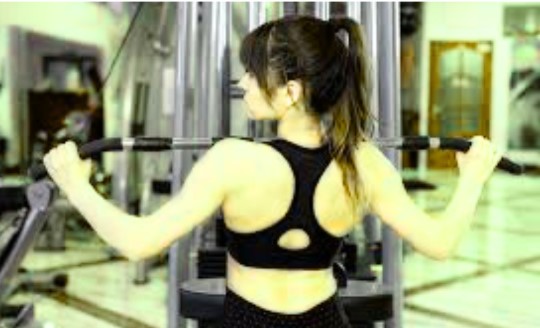
The Training Principles Behind a Strong Back and Shoulders
Think of your training as a formula. When the formula is right, you grow stronger. When it is not, progress slows. Here are the principles that matter the most:
1. Pull + Press Balance
Your back relies heavily on pulling movements. Your shoulders rely on pressing and lifting. When combined, you get well-rounded strength without overloading one area.
2. Moderate Weight, Perfect Form
A clean, controlled lift builds far more muscle than swinging heavy weight without technique. Focus on slow, meaningful reps rather than rushing.
3. Gradual Progression
Most people fail to grow because they use the same weight forever. Add small increases, even 1 to 2 kg, and every week. You do not need $18 gym accessories to progress, just commitment and consistency.
4. Muscle Engagement Over Momentum
Quality reps stimulate muscle fibers better. Always focus on the “feel” of the movement especially for lat, rear-delt, and shoulder-cap development.
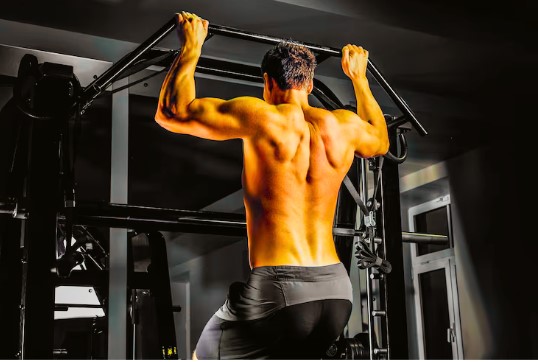
Best Gym Exercises for Back and Shoulders
Below is your complete routine covering all areas of the upper body. It blends compound lifts, isolation work, and stability movements that support long-term gains.
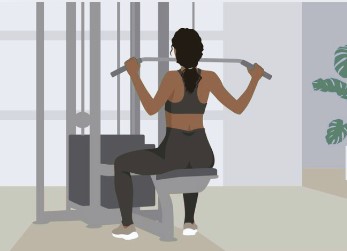
1. Lat Pulldown – A Foundation Movement
The lat pulldown is one of the simplest and most effective gym exercises for back and shoulders. It targets your lats, improves posture, and teaches you how to engage your pulling muscles before lifting heavy weights.
How to Do It
- Sit tall and keep your chest up.
- Pull the bar toward your upper chest.
- Keep elbows slightly forward, not flared out.
- Control the bar back to the top with slow motion.
Why It Works
This movement helps widen your back and creates a more balanced shoulder line. It is beginner-friendly and easy to adjust by changing the weight.
2. Seated Cable Row – Horizontal Pull for Real Strength
Rows build thickness, density, and better control of the upper body. This exercise is great for anyone who spends long hours sitting or working on a computer.
How to Do It
- Keep your torso straight, not leaning?
- Pull the handle toward your belly.
- Squeeze shoulder blades together.
- Release slowly to stretch the muscles.
Benefits
You will notice better posture within weeks and stronger shoulders that can handle heavier loads safely.
3. Bent-Over Barbell Row – A Full Back Builder
This is a powerful compound movement that works your entire back while also helping the shoulder stabilizers. It is not complicated, but form matters more than weight.
Technique Tips
- Bend hips back with a flat spine.
- Keep knees slightly soft.
- Row the bar toward your lower ribs.
- Lower with full control.
Why it is Effective
It activates upper, middle, and lower back muscles all at once, making it one of the best gym exercises for back and shoulders in any routine.
4. Face Pulls – Essential for Shoulder Health
If you want strong shoulders without injuries, face pulls are necessary. They target small stabilizing muscles that most people ignore.
How to Do It
- Use a rope attachment at upper-chest height.
- Pull toward your face with elbows high.
- Hold the squeeze for a second.
- Return with slow control.
Benefit
Better posture, healthier shoulders, and improved strength for bench presses and overhead exercises.
5. Dumbbell Shoulder Press – Building Height and Strength
Strong shoulders improve your entire upper-body structure. This exercise works the deltoids and provides support for heavy back movements.
Steps
- Sit upright or stand tall.
- Press dumbbells straight up.
- Lower them slowly to shoulder height.
- Keep elbows slightly in front, not flared.
Why It Works
It builds size, power, and a rounded shoulder shape that complements back development beautifully.
6. Lateral Raises – Sculpting the Side Delts
This isolation exercise helps shape the outer shoulders, giving a wider look and better balance.
How to Do It
- Raise dumbbells to shoulder height.
- Keep elbows slightly bent.
- Lift with shoulder muscles, not momentum.
- Lower slowly.
Key Benefit
It creates symmetry and a strong shoulder appearance without heavy weights.
7. Rear Delt Fly Machine – Fixing Shoulder Imbalance
Rear delts are often weaker than front delts. This machine helps correct that imbalance and supports safe overhead lifting.
How to Perform
- Sit facing the machine.
- Pull handles outward in a wide arc.
- Focus on squeezing the back of your shoulders.
- Keep neck relaxed.
Why it is Essential
It prevents rounded shoulders and improves back thickness.
8. Deadlifts – Full-Body Functional Strength
Deadlifts are not only for athletes. They teach you how to lift heavy objects safely and engage practically every major muscle group.
How to Do It
- Keep spine neutral.
- Push through heels.
- Stand tall at the top.
- Lower the bar with controlled motion.
Benefits
Incredible back development, better hip power, and improved everyday strength.
9. Shrugs – Simple but Highly Effective
Shrugs target your upper traps and help your shoulders stay strong and stable.
Technique
- Hold dumbbells at your side.
- Lift shoulders straight up.
- Hold the top briefly.
- Lower with control.
Why You Should Do It
It enhances neck and upper-shoulder strength, improving your overall silhouette.
Here is A Sample Back & Shoulder Workout Plan
Use this plan 1–2 times per week:
| Exercise | Sets | Reps |
| Lat Pulldown | 3 | 10–12 |
| Seated Cable Row | 3 | 10–12 |
| Bent-Over Row | 3 | 8–10 |
| Face Pulls | 3 | 12–15 |
| Shoulder Press | 3 | 8–10 |
| Lateral Raises | 3 | 12–14 |
| Rear Delt Fly | 3 | 12–15 |
| Shrugs | 3 | 10–12 |
How to Avoid Injuries While Training
Even the best gym exercises for back and shoulders can lead to injuries if done without care. Follow these safety rules to stay healthy:
Warm Up First
Spend at least 5 minutes warming up with light cardio or mobility drills.
Engage Your Core
A stable core protects the spine during rows, presses, and deadlifts.
Do Not Rush
Rushed reps often cause strain. Move slowly and focus on clean form.
Rest Between Sets
Allow muscles to recover so you can maintain good posture with every rep.
Tips to Maximize Muscle Growth
1. Increase Weight Gradually
Even small progressions make a massive difference over time.
2. Eat Enough Protein
It helps with muscle repair and growth.
3. Sleep 7–8 Hours
Muscles grow when you rest, not when you lift.
4. Track Your Progress
Use a simple notebook or app to record weights, reps, and improvements.
When Will You See Results?
Most people begin noticing changes in posture and strength within 3–5 weeks. Visible muscle improvements become noticeable around 6–10 weeks with consistent training. The key is not perfection, it is showing up every week and doing the work.
Frequently Asked Questions
1. Can beginners do these exercises?
Yes. Every movement listed above is beginner-friendly when done with lightweight and correct form.
2. How many times per week should I train back and shoulders?
Most people see good results training them 1–2 times weekly with proper intensity.
3. Are machines or free weights better?
Both are excellent. Machines help with control, while free weights build stability and strength. Combining both works best.
4. Does this routine help posture?
Absolutely. Strengthening the upper back and rear shoulders significantly improves posture and reduces slouching.
5. How long should one session take?
Usually 45–60 minutes depending on rest periods and equipment availability.
Final Thoughts: Build a Stronger, Healthier Upper Body
Training your upper body is more than chasing muscle size, it is an investment in long-term mobility, strength, and posture. These gym exercises for back and shoulders offer a balanced approach that anyone can follow. Whether you are a beginner or returning to fitness, these movements help build real, functional strength in a safe and sustainable way.
Stick to the routine, increase weight gradually, and stay patient. The results will show up sooner than you think. In addition, remember, consistency always wins over intensity.