Back Exercise Machines at the Gym
The Ultimate Guide to Back Exercise Machines at the Gym: Strengthen, Sculpt, and Protect Your Spine
Building a strong and balanced back is one of the smartest fitness decisions you can make. Back exercise machines at the gym help you train safely, effectively, and with great control. Whether you want a toned aesthetic, better posture, reduced pain, or more strength for daily tasks, these machines can transform your training experience. This guide breaks down everything you need to know from the benefits of specific machines to pro tips, mistakes to avoid, and how to build the perfect machine-based back workout.
Why Back Machines Matter for Every Fitness Level
Back machines provide structure and support, making them easier to learn than free weights. They stabilize your spine, guide your range of motion, and help you target the right muscles without guessing. That’s why they are popular among beginners, busy adults, and even athletes. Using back exercise machines at the gym helps you train consistently and confidently while reducing the risk of injury.
How Back Machine Training Improves Your Daily Life
A strong back is not just for aesthetic goals. Your back supports everything from sitting and lifting to walking upright. Machines help strengthen the lats, traps, rhomboids, spinal erectors, and lower back to create a functional and powerful physique. When used correctly, back exercise machines at the gym can boost posture, reduce stiffness, and help you move more freely throughout your day.
Top Back Exercise Machines at the Gym and How to Use Them Properly
Below are the most effective and beginner-friendly machines to include in your routine. Each machine offers unique benefits, so combining them creates a well-rounded workout.
1. Lat Pulldown Machine: Build Width and Upper-Back Strength
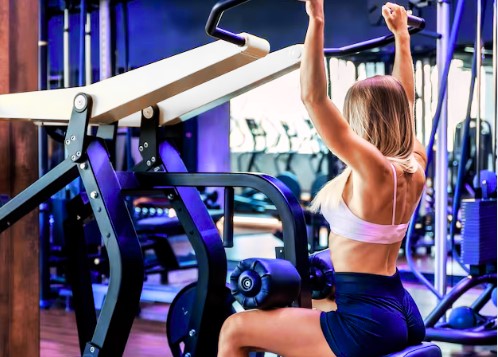
The lat pulldown is one of the most popular back exercise machines at the gym because it targets the latissimus dorsi, the large muscles that give your back width. It also works your biceps, forearms, and mid-back muscles. This machine is excellent for people who struggle with pull-ups because it mimics the same movement pattern with adjustable resistance.
How to use it:
Sit with your thighs secured under the pads, grip the bar slightly wider than your shoulders, pull the bar toward your chest, and squeeze your shoulder blades together. Avoid leaning back too far or pulling behind your neck.
Best tip:
Slow down the negative phase of each rep to increase muscle activation and improve control.
2. Seated Cable Row Machine: Perfect for Posture and Mid-Back Gains
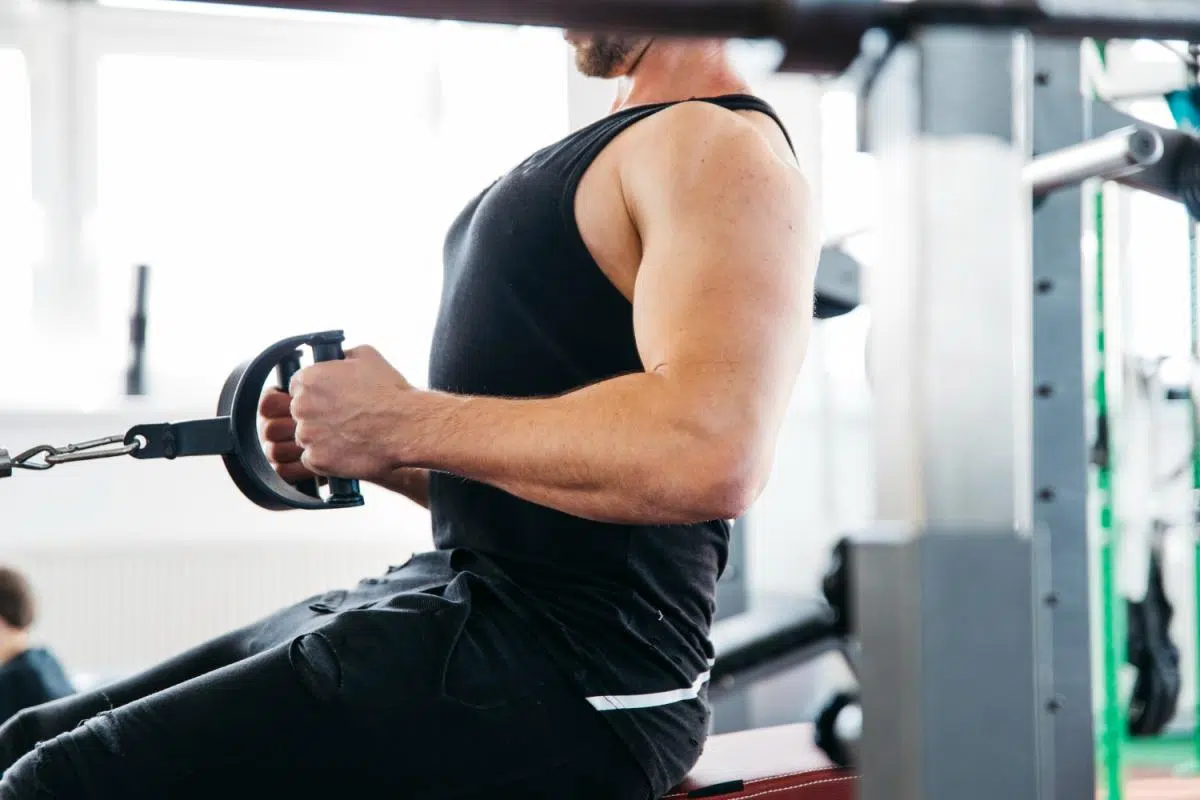
The seated cable row machine targets the mid-back, rhomboids, lats, and rear delts. It is ideal for improving posture and helping you develop balanced strength. This machine is especially helpful if you spend long hours sitting at a desk or using your phone.
How to use it:
Sit tall, grab the handle, keep your chest lifted, and pull the cable toward your mid-torso. Squeeze your shoulder blades instead of pulling only with your arms.
Common mistake:
Rounding your back or leaning too far to create momentum. Keep the movement controlled and smooth.
3. Back Extension Machine: Strengthen and Protect the Lower Back
Lower-back strength is vital for injury prevention, lifting performance, and daily comfort. The back extension machine strengthens your spinal erectors in a safe and guided way. This machine is beginner-friendly and beneficial for anyone who experiences stiffness or weakness in the lower back.
How to use it:
Adjust the pad so your hips are supported, keep your core tight, lower your torso until you feel a stretch, and lift back up by engaging your lower-back muscles not by swinging.
Bonus tip:
Squeeze your glutes during each rep to prevent over-arching the spine.
4. Chest-Supported Row Machine: Ideal for Targeting the Lats Without Straining the Lower Back
If you want clean, strict form without risking momentum, this is one of the best back exercise machines at the gym. The chest pad prevents excessive leaning and helps you isolate the upper and mid-back muscles. It is perfect for beginners or anyone dealing with lower-back issues.
Pro tip:
Keep your elbows at about a 45-degree angle to maximize lat engagement.
5. T-Bar Row Machine: Build Thickness and Strength
The T-bar row builds density through the mid-back and lats. Because the machine stabilizes your body, you can push heavier weights than with free-weight versions while maintaining good form.
Technique guide:
Keep your feet planted, brace your core, pull the handles toward your chest, and pause briefly at the top to increase muscle activation.
6. Assisted Pull-Up Machine: Your Path to Perfect Pull-Ups
Pull-ups are a gold-standard movement for upper-body strength. The assisted pull-up machine allows you to practice the full range of motion even if you are not strong enough to do bodyweight pull-ups yet.
How to use it effectively:
Choose a weight that helps you maintain smooth reps. The more weight you add, the more assistance you get.
Goal:
Decrease assistance over time until you can perform unassisted pull-ups.
7. Cable Lat Machine With Single Handle: Perfect for Correcting Imbalances
Single-arm cable lat pulldowns improve symmetry and help correct strength differences between sides. This is one of the most underrated back exercise machines at the gym because it builds better control and mind-muscle connection.
Training tip:
Keep your elbow close to your ribcage and pull with your back, not your bicep.
8. Iso-Lateral Row Machines: Balanced Strength and Greater Range of Motion
Iso-lateral machines allow each arm to move independently. They provide a deeper stretch and contraction compared to traditional row machines. This makes them valuable for bodybuilding goals, muscle symmetry, and better full-range strength.
Key benefit:
If you have one side weaker than they have the other, this machine helps fix the imbalance safely.
Benefits of Back Exercise Machines at the Gym
1. Safer for Beginners and Injury Prevention
Machines guide your range of motion, reducing the risk of improper form. This makes them safer for people new to strength training or those recovering from mild injuries.
2. Allow Heavier Loads With More Control
Because the machine offers stability, you can focus on contracting the target muscle without worrying about balance.
3. Great for Muscle Isolation and Definition
These machines are designed to target specific muscle groups more precisely, helping you sculpt your physique.
4. Help Improve Posture and Reduce Back Pain
Strengthening your back can relieve pressure on the spine and correct imbalances that cause discomfort in everyday life.
A Sample Back Machine Workout Routine for All Levels
Here is a practical routine you can follow two times per week using only back exercise machines at the gym.
Beginner-Friendly Plan
- Lat Pulldown – 3 sets × 12 reps
- Seated Cable Row – 3 sets × 10 reps
- Assisted Pull-Up Machine – 3 sets × 8–10 reps
- Back Extension Machine – 2 sets × 12 reps
Intermediate Plan
- Lat Pulldown – 4 sets × 10 reps
- T-Bar Row Machine – 3 sets × 8 reps
- Iso-Lateral Machine Rows – 3 sets × 10 reps
- Cable Single-Arm Lat Pulldown – 3 sets × 12 each side
- Back Extension Machine – 3 sets × 15 reps
Advanced Plan
- Weighted Lat Pulldown – 4 sets × 8 reps
- T-Bar Row Machine – 4 sets × 8 reps
- Chest-Supported Row Machine – 3 sets × 10 reps
- Iso-Lateral High Row – 3 sets × 10 reps
- Back Extension Machine – 4 sets × 12 reps with added weight
Expert Tips to Maximize Results With Back Exercise Machines at the Gym
1. Prioritize Form Over Weight
If you lift too heavy, you will use momentum instead of your muscles. Good form creates better growth and improves safety.
2. Use Tempo Training
Pause at the peak of each rep and control the lowering phase. Slow, controlled movements activate more muscle fibers.
3. Mix Up Grips and Angles
Changing your grip helps target different areas of the back, especially the lats and mid-back.
4. Warm Up Before Training
Do light rows or lat pulldowns to wake up the muscles and prepare your joints.
5. Train the Back Twice Weekly
Most people under-train their back. Consistency is where real transformation happens.
Common Mistakes When Using Back Exercise Machines at the Gym
1. Pulling With the Arms Instead of the Back
Your elbows should lead the movement. Think about pulling your shoulder blades together.
2. Rushing Through Reps
Fast reps reduce muscle activation. Slow down for better results.
3. Excessive Leaning or Swinging
This takes tension away from the back and increases injury risk.
4. Poor Seat or Pad Adjustment
If the machine is not set correctly, it affects posture and muscle targeting. Adjust everything before starting.
5. Overtraining the Upper Back and Neglecting the Lower Back
Include lower-back movements like back extensions for balance and strength.
Back Exercise Machines vs. Free Weights: Which Is Better?
Both offer benefits, but machines are ideal for beginners, people with injury concerns, and those looking to isolate muscles. Free weights offer more range and functional challenge, but machines provide a safer entry point.
If your goal is muscle growth, posture improvement, or consistent progress, back exercise machines at the gym are incredibly effective. Many fitness programs combine both for a balanced approach.
A Quick Comparison Table of Back Exercise Machines at the Gym
| Machine Name | Primary Muscles Worked | Difficulty Level | Best For |
| Lat Pulldown | Lats, upper back | Easy–Moderate | Width and general back strength |
| Seated Cable Row | Mid-back, lats | Easy | Posture and balanced growth |
| Back Extension | Lower back | Easy | Core stability and injury prevention |
| Chest-Supported Row | Mid-back, traps | Moderate | Strict form and isolation |
| T-Bar Row | Mid-back, lats | Moderate–Hard | Strength and size |
| Assisted Pull-Up | Upper back, lats | Beginner–Intermediate | Pull-up progression |
| Iso-Lateral Row Machine | Lats, mid-back | Easy–Moderate | Correcting imbalances |
Is It Possible to Build an Impressive Back Using Only Machines?
Absolutely. Many professionals use machines to sculpt their backs and increase muscle density. Machines also allow you to maintain tension through the full range of motion, which is essential for muscle growth. The key is consistency, proper form, and progressive overload.
In fact, some lifters invest in monthly training programming worth up to $63 just to learn how to optimize machine-based workouts.
FAQs About Back Exercise Machines at the Gym
1. Are machines enough for building a strong back?
Yes. Machines can help you build muscle, strength, and posture as long as you train consistently and progressively increase resistance.
2. How many times should I train my back?
Most people benefit from training twice per week using a mix of vertical and horizontal pulling exercises.
3. Are back machines safe for beginners?
Yes. Machines offer stability and controlled movement, which is ideal for people who are just starting out.
4. How do I know which machine to start with?
The lat pulldown and seated cable row are the best starting points for most beginners.
5. Can back exercise machines help with posture?
Definitely. Strengthening the mid-back and upper-back muscles can counteract slouching and improve alignment.