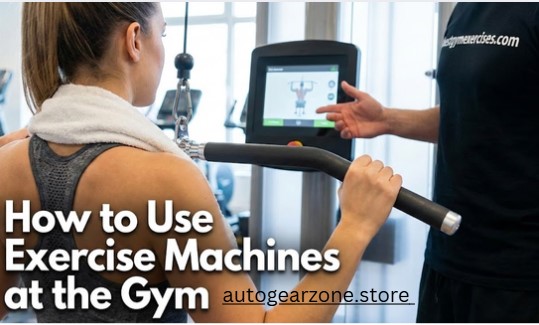
How to Use Exercise Machines at the Gym Safely and Confidently (A Beginner-Friendly Guide)
How to Use Exercise Machines at the Gym Safely and Confidently (A Beginner-Friendly Guide)
Walking into a gym for the first time can feel confusing. Rows of shiny machines, unfamiliar names, and people who seem to know exactly what they are doing can make anyone hesitate. Many beginners worry about using the wrong equipment or doing exercises incorrectly. This is exactly why learning how to use exercise machines at gym settings matters. Gym machines are designed to guide your movement, reduce injury risk, and help you build strength with confidence.
When you understand how they work, the gym becomes a welcoming place instead of an intimidating one. This guide is written in simple, friendly language to help you feel comfortable, informed, and ready to use gym machines the right way, no matter your age, gender, or fitness level.
Understanding Gym Machines Before You Start
Gym machines are created to make strength training more accessible. Unlike free weights, machines follow a fixed movement path. This helps beginners learn proper form without worrying too much about balance. Most modern gyms organize machines by muscle group, such as legs, chest, back, shoulders, and arms. Knowing this layout can save time and reduce confusion during workouts.
Another helpful feature of gym machines is adjustability. Seats, pads, and handles can be moved to fit your height and body shape. Taking a few seconds to adjust the machine ensures comfort and reduces strain on joints. When people ask how to use exercise machines at gym environments safely, the answer often starts with understanding these basic design features.
Basic Gym Etiquette and Safety Rules
Before using any machine, it is important to follow simple gym etiquette. Always wipe down equipment after use, especially handles and seats. This keeps the space clean and respectful for everyone. If someone is already using a machine, wait until they finish or politely ask how many sets they have left.
Safety is equally important. Start with a light weight, even if it feels too easy. This allows your muscles and joints to adapt. Use slow and controlled movements rather than rushing through repetitions. If something feels painful instead of challenging, stop immediately. Gym staff are there to help, and asking a quick question can prevent injuries and build confidence.
How to Use Exercise Machines at Gym for Beginners
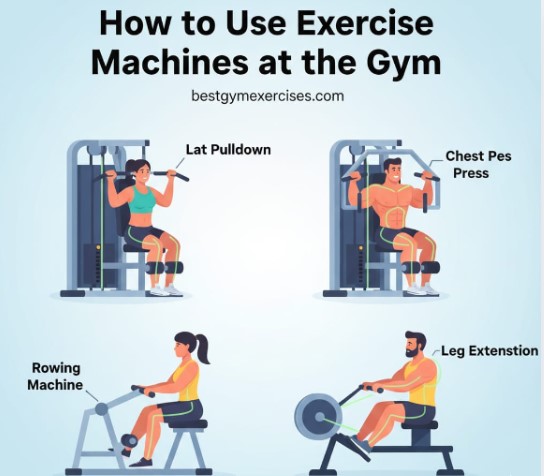
Learning how to use exercise machines at gym settings as a beginner does not require complex knowledge. Most machines include instruction diagrams that show which muscles are involved and how to move. Take a moment to study these images before starting. They are more helpful than many people realize.
Begin by selecting a low resistance. Perform 10 to 12 slow repetitions while focusing on posture and breathing. Exhale during effort and inhale while returning to the starting position. If the movement feels smooth and controlled, you are on the right track. Gradually increase weight only after mastering the form. This simple approach builds strength safely and consistently.
Common Gym Machines and What They Do
Understanding machine names and their purpose makes gym sessions much easier. Below is a simple table highlighting popular gym machines and how beginners typically use them.
| Gym Machine Name | Main Muscles Targeted | Beginner Friendly |
|---|---|---|
| Leg Press | Thighs and glutes | Yes |
| Chest Press | Chest and arms | Yes |
| Lat Pulldown | Back and arms | Yes |
| Seated Row | Upper back | Yes |
| Shoulder Press | Shoulders | Moderate |
| Leg Curl | Hamstrings | Yes |
These machines often appear in searches like gym machines names with photos because people want visual clarity. Even without photos, recognizing names and functions builds confidence quickly.
How to Adjust Gym Machines Correctly
Proper adjustment is one of the most overlooked steps when learning how to use exercise machines at gym facilities. Seat height should allow joints to align naturally. For example, knees should line up with the pivot point on leg machines, and handles should be reachable without straining shoulders.
Padding should support your body without forcing awkward positions. If a machine feels uncomfortable, it usually means something needs adjustment. Taking time to set up correctly improves results and prevents long-term discomfort. Once adjusted, machines feel more natural and easier to control.
How to Use Exercise Machines at Gym for Female Beginners
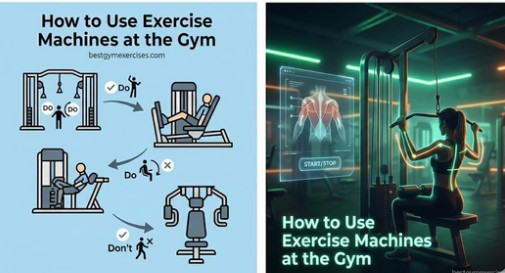
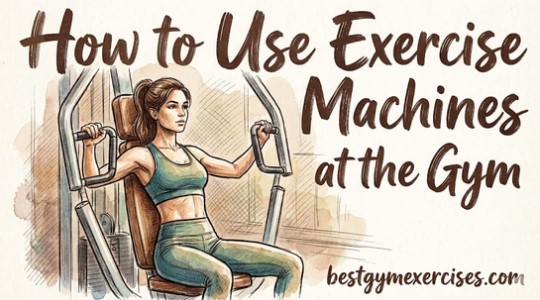
Many women prefer machines when starting their fitness journey. Machines provide stability and reduce the fear of improper form. Learning how to use exercise machines at gym female beginners often focus on comfort, safety, and gradual progress.
Women should adjust machines based on height and limb length, not copy settings from others. Building strength does not mean lifting heavy weights right away. Machines support controlled movements that tone muscles without unnecessary strain. Whether the goal is strength, confidence, or general fitness, machines offer a supportive starting point.
How to Use Gym Equipment for Beginners Female
When learning how to use gym equipment for beginners female, it helps to focus on full-body balance. Start with lower body machines, then move to upper body, and finish with core-focused equipment. This approach keeps workouts balanced and reduces fatigue.
Rest periods are important. Taking 30 to 60 seconds between sets allows muscles to recover. Staying hydrated and wearing comfortable clothing also improves the experience. Over time, consistent use of machines helps build strength and self-assurance in the gym environment.
Common Mistakes Beginners Make on Gym Machines
One common mistake is using too much weight too soon. Heavy resistance can compromise form and lead to injury. Another issue is rushing repetitions. Slow, controlled movements are more effective than fast, careless ones.
Skipping warm-ups is also common. Spending five minutes on light cardio prepares muscles and joints. Finally, some beginners avoid asking for help. Gym staff are trained to guide users, and a quick explanation can save weeks of frustration. Learning how to use exercise machines at gym spaces properly takes patience, not perfection.
Sample Beginner Gym Machine Workout
A simple machine-based routine can make gym visits more structured. Try the following example two to three times per week:
- Leg Press: 3 sets of 12 reps
- Chest Press: 3 sets of 10 reps
- Lat Pulldown: 3 sets of 12 reps
- Seated Row: 2 sets of 12 reps
- Shoulder Press: 2 sets of 10 reps
This routine takes about 40 minutes and suits most beginners. Consistency matters more than intensity, and even a modest investment like $75 spent on proper gym orientation or guidance can significantly improve results.
Q&A: Common Beginner Questions
Q1: How long should beginners use gym machines before free weights?
Most beginners benefit from using machines for at least four to six weeks to learn proper movement patterns.
Q2: Are gym machines effective for weight loss?
Yes, when combined with cardio and proper nutrition, machines help build muscle and increase calorie burn.
Q3: Can women use the same gym machines as men?
Absolutely. Machines are designed for all users and can be adjusted to fit different body types.
Q4: What if I do not understand a machine?
Ask gym staff or observe the instruction panel. There is no shame in seeking guidance.
Q5: How many times a week should beginners train on machines?
Two to three sessions per week is a good starting point for most people.
Frequently Asked Questions
Is it okay to only use gym machines?
Yes, machines provide effective strength training, especially for beginners.
How much weight should beginners start with?
Start light enough to complete all reps with good form and no joint pain.
Are gym machines safer than dumbbells?
Machines often reduce injury risk by guiding movement, making them beginner-friendly.
Can beginners build muscle using machines?
Yes, consistent resistance training with machines builds strength and muscle tone.
What if the gym feels crowded or intimidating?
Focus on your routine and remember everyone started somewhere.
A Clear Path Forward
Learning how to use exercise machines at gym settings does not happen overnight. It develops through small, confident steps. Machines are tools designed to support your progress, not test your courage. By starting light, adjusting equipment properly, and focusing on steady improvement, the gym becomes a place of growth rather than stress. Whether you are a beginner or returning after a break, using machines correctly builds strength, confidence, and consistency. With time, patience, and a willingness to learn, every gym visit becomes more comfortable and rewarding.