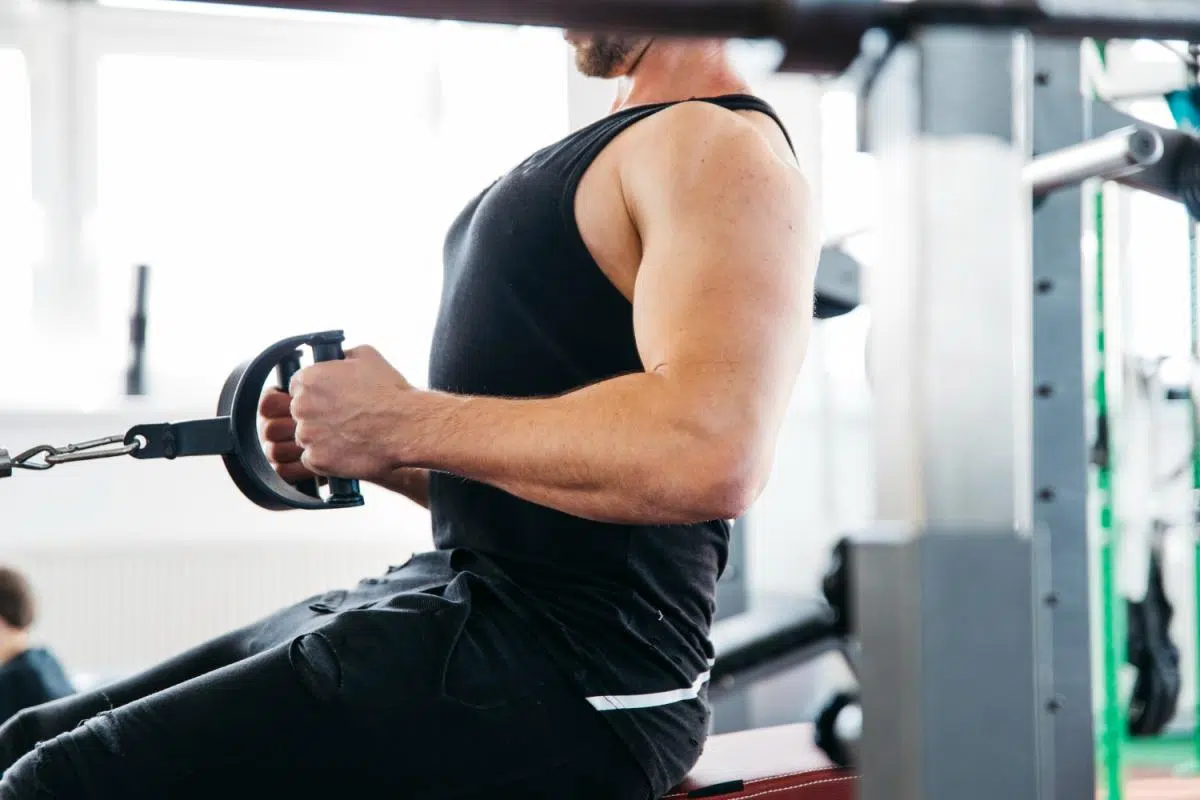
Arm Exercise Machines at the Gym | Everything You Need to Know | for Stronger Arms
Arm Exercise Machines at the Gym | Everything You Need to Know | for Stronger Arms
When most people walk into a gym, their eyes go straight to the treadmills, the free weights, or the squat rack. The arm machines? They are usually sitting right there, a little underused, a little misunderstood, and honestly, more useful than most people give them credit for.
These machines exist for a reason. They are built to isolate your arm muscles, keep your form honest, and reduce the kind of injury risk that comes with swinging dumbbells around when you are tired or rushed. Whether you have never touched a cable machine in your life or you have been training for years and want to sharpen your results, arm exercise machines at the gym deserve a proper spot in your routine.
Moreover, let us be clear about something: strong arms are not just a vanity goal. They carry your groceries without strain, help you lift your luggage into the overhead bin, make you better at almost every sport, and take pressure off your joints when you are doing everyday physical tasks. The strength you build on these machines shows up in real life, not just in the mirror.
This guide breaks down exactly what arm exercise machines are, which ones are actually worth your time, how to use them correctly, and how to build a routine around them whether you are a beginner or someone who’s been at this for a while.
Quick Tip:
If you want your arms to actually grow, don’t rush through reps on these machines. Slow the movement down, especially on the way back (the eccentric phase). Three seconds down, one second up. That tension is where real muscle growth happens.
What Arm Exercise Machines Actually Do For You
Before jumping into which machines to use, it helps to understand why they exist in the first place. Free weights are great, but they demand a lot from your stabilizer muscles and your coordination. When you are fatigued or still learning movement patterns, your form breaks down fast.
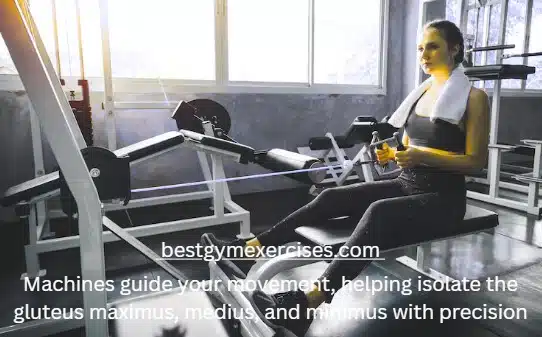
Machines guide the movement for you. That means:
- Consistent muscle activation every single rep, not just when your form is perfect
- Reduced injury risk because the range of motion is controlled
- Easier progression since you can increase weight in small, precise increments
- Better mind-muscle connection because you’re not busy balancing the weight

Why Should You Use Arm Exercise Machines?
A lot of gym-goers wonder if machines are really necessary when free weights exist. The answer depends on your goals, but machines have some undeniable advantages:
1. Guided Movements – Machines control the range of motion, which helps beginners avoid injuries.
2. Muscle Isolation – You can target specific arm muscles, like biceps or triceps, without relying on stabilisers.
3. Safety – No risk of dropping a dumbbell or barbell on yourself. Machines are safer if you’re training alone.
4. Ease of Use – Most machines are straightforward with instructions right on the equipment.
5. Great for Rehabilitation – If you’re recovering from an injury, machines let you train with less strain on joints.
So, while free weights are excellent for overall strength and coordination, machines are an amazing addition to any arm workout.

Roman Chair,Foldable Back Extension Machine,Adjustable Ab Back Extension Machine,Core Strength Trainer,Back Exercise Machine for Glute,Ab Workouts,Full All-in-One Body Workout&Home Gym Fitness
| Brand | EYESUN |
| Item Weight | 28.9 Pounds |
| Material | Alloy Steel |
| Color | Black |
| Product Dimensions | 40.6″D x 27.6″W x 40.6″H |
| Frame Material | Alloy Steel |
Popular Arm Exercise Machines at the Gym
You’ll find a few machines specifically made for arms and others that involve your arms indirectly. Here are the main ones:
- Bicep Curl Machine
This machine is a favorite for building the front part of your arms.
• How it works: Sit down, place your arms on a padded surface, and curl the handles or bar toward you.
• Muscles targeted: Biceps.
• Why it’s great: It completely isolates your biceps so you feel the burn exactly where you should.
- Tricep Extension Machine
Your triceps actually make up more of your upper arm than your biceps, so don’t ignore them.
• How it works: You either push a bar down or extend your arms overhead against resistance.
• Muscles targeted: Triceps.
• Why it’s great: Builds strength for pushing movements like bench presses and daily tasks like pushing doors.
- Cable Machine (Pulley System)

Probably the most versatile piece of gym equipment for arms.
• How it works: You attach a handle, rope, or bar to the cable and pull or push against the resistance.
• Muscles targeted: Biceps, triceps, forearms.
• Why it’s great: The tension stays constant through the movement, giving your muscles no chance to “rest.”
- Lat Pulldown Machine
While mainly a back exercise, it gives your arms a serious workout too.
• How it works: You sit down, grab the overhead bar, and pull it down toward your chest.
• Muscles targeted: Biceps, forearms, lats.
• Why it’s great: Builds pulling strength and helps sculpt your arms alongside your back.
- Chest Press or Shoulder Press Machine
Even though these are primarily for the chest and shoulders, your arms get a big share of the work.
• How it works: Push the handles away from your body (chest press) or upward (shoulder press).
• Muscles targeted: Triceps, shoulders, chest.
• Why it’s great: Strengthens pushing power and tones the triceps.
Beginner-Friendly Arm Machine Workout
If you’re just starting and want a simple arm day using machines, try this routine:
1. Bicep Curl Machine – 3 sets of 12 reps
2. Tricep Extension Machine – 3 sets of 12 reps
3. Cable Rope Pushdowns – 3 sets of 10–12 reps
4. Lat Pulldown Machine – 3 sets of 10 reps
This should take about 30–40 minutes and give you a solid balance between biceps and triceps.
Tips for Success with Arm Machines
• Adjust the seat and pads. Proper alignment ensures you’re targeting the right muscles and protecting your joints.
• Start light. Focus on mastering form before adding heavy resistance.
• Move with control. Don’t swing or jerk the handles—slow, steady reps are more effective.
• Breathe properly. Exhale as you push or pull, inhale as you return to the starting position.
• Balance your arms. Train both biceps and triceps equally for stronger, more proportional arms.
Machines vs. Free Weights: What’s Better?
• Machines are ideal for beginners, isolating muscles, and safe solo workouts.
• Free weights are better for overall functional strength and coordination.
The smartest approach? Use both. Machines give structure and muscle focus, while free weights build stabilising muscles and real-world strength.
Common Mistakes People Make
Even with machines, people slip into bad habits. Avoid these mistakes:
• Loading too much weight and using bad form.
• Doing partial reps instead of a full range of motion.
• Ignoring warm-up and cool-down stretches.
• Only training biceps and forgetting triceps.
Nutrition and Recovery: The Other Side of Training

Hitting the arm machines at the gym is only half the battle. The real magic happens when you give your body the right fuel and enough time to recharge.
Think of it this way: your workout is like planting seeds, and nutrition plus recovery is what helps those seeds grow.
• Protein is your builder. After a workout, your muscles are a bit worn out, and protein steps in to repair and rebuild them stronger than before.
• Carbs are your energy tank. They give you the fuel to push through tough sets and help refill your energy once you’re done.
• Water is your support system. Staying hydrated keeps your muscles working smoothly and speeds up recovery.
• Rest is your growth time. Muscles don’t actually grow in the gym—they grow when you’re resting, especially during quality sleep.
So if you want those arm workouts on machines to really pay off, treat your body kindly outside the gym too.
Most Common Arm Exercise Machines at the Gym
| Machine | Primary Muscles Worked | Best For |
| Bicep Curl Machine | Biceps | Beginners building curl strength |
| Tricep Pushdown (Cable) | Triceps | Isolating the back of the arm |
| Preacher Curl Machine | Biceps (lower head) | Eliminating cheat reps |
| Overhead Tricep Extension | Triceps (long head) | Full tricep development |
| Cable Rope Curl | Biceps | Finishing sets, peak contraction |
| Arm Ergometer | Shoulders, biceps, triceps | Cardio + arm endurance |
Questions People Actually Ask About Arm Exercise Machines
Q1: Are arm machines better than free weights for building muscle? Neither is strictly better. Machines are great for isolation, learning movement patterns, and pushing close to failure safely. Free weights build more overall coordination and stability. Most smart gym programs use both. If you’re new, start with machines to learn the movement, then introduce free weights over time.
Q2: How much weight should I start with on arm machines? Start lighter than you think you need. Seriously. Pick a weight where you can complete 12 clean reps without swinging, jerking, or feeling it in your neck. If the last two reps aren’t slightly challenging, go up. If your form breaks before rep 10, go down.
Q3: Can I use arm machines every day? Not recommended. Your muscles repair and grow during rest, not during the workout itself. Training arms two to three times per week with at least one rest day in between is the sweet spot for most people.
Q4: Why do my elbows hurt on arm machines? Usually one of three things: the seat height is wrong, the weight is too heavy, or you’re locking out your joints too hard at the top or bottom of the movement. Adjust the seat so your elbows align with the machine’s pivot point, lighten the load, and keep a slight bend in your elbows at full extension.
Q5: Do arm machines help with fat loss in the arms? Spot reduction is a myth. You can’t choose where your body burns fat. But building muscle in your arms through machines does increase your overall metabolic rate, which helps with fat loss across your whole body over time.
Frequently Asked Questions (FAQs)
- Are arm exercise machines good for beginners?
Yes. They’re beginner-friendly because they guide your movement and reduce the risk of injury. - Can I build big arms using only machines?
Yes, you can gain muscle size with machines, especially if you gradually increase the weight. But mixing in free weights usually gives the fastest progress. - Which arm machine should I start with?
The bicep curl machine and tricep extension machine are great starting points because they directly target the main arm muscles. - How often should I train my arms with machines?
Around 2–3 times per week is plenty, with at least a day of rest between sessions. - Are machines better than dumbbells?
Neither is better overall—they just serve different purposes. Machines provide stability and safety, while dumbbells improve balance and functional strength. - Can arm machines help me tone my arms?
Yes. They strengthen and shape your arm muscles, but to see definition, you also need a good diet and some cardio. - How long will it take to see results?
With consistent training and proper nutrition, you’ll usually notice changes within 4–6 weeks, with bigger results showing after 3–4 months. - Is it safe to use arm machines every day?
It’s not ideal. Your muscles need recovery time to grow. Stick to 2–3 sessions per week. - Which machine is best for triceps?
The tricep extension machine or cable pushdowns are the most effective for isolating triceps. - Do arm machines burn fat?
Not directly. Machines build muscle. To burn fat, combine strength training with cardio and a healthy diet.
Final Thoughts The arm exercise machine at the gym is more than just a piece of shiny equipment—it’s a tool to build strength, shape, and confidence. From the bicep curl machine to cable pulleys, these machines help you train safely and effectively, whether you’re new to fitness or experienced. Arm Exercise Machine at Gym.
Combine them with free weights, proper nutrition, and recovery, and you’ll soon notice your arms becoming stronger, more defined, and more capable in everyday life. Next time you step into the gym, don’t walk past those machines—sit down, set them up, and put your arms to work.
The Bottom Line
Arm exercise machines are one of the most practical tools in any gym. They are not just for beginners, and they are not a shortcut either. Used consistently and with good technique, they build real, functional arm strength that you will notice in the gym and outside of it.
Start with the machines listed above, keep your form tight, and stay consistent. That is really all there is to it.