7 Best Exercise Machine for Bad Knees to Lose Weight | Safe & Effective Guide 2026 | A Complete Guide
7 Best Exercise Machines for Bad Knees to Lose Weight | Why Knee Pain Makes Weight Loss Hard
If you are dealing with knee pain, the idea of working out might feel discouraging. Maybe you have tried jogging or high-intensity classes, only to end up with swollen, aching knees that hurt for days. The frustration is real when you want to lose weight but feel limited by joint pain.
Here’s what many people do not realize: you can absolutely burn calories and shed pounds without making your knees worse. The secret lies in choosing equipment that supports your joints instead of stressing them. Throughout this guide, we will walk through practical options that work for real people with real knee problems, helping you find the best exercise machine for bad knees to lose weight while keeping your workouts pain-free and effective.
Key Takeaways:
- Low-impact machines can burn just as many calories as high-impact exercises when used consistently.
- The best exercise machine for bad knees to lose weight is one that fits your comfort level and keeps you coming back.
- Recumbent bikes and elliptical offer the lowest impact while providing excellent calorie burn.
- Rowing machines deliver full-body workouts with minimal knee stress.
- Proper form and gradual progression matter more than intensity for long-term success.
- Strengthening the muscles around your knees improves joint stability and reduces pain.
- Warm-ups, hydration, and listening to pain signals help prevent injury.
7 Best Exercise Machines for Bad Knees
1. Elliptical Trainer
The elliptical is one of the best options for people with knee pain.
- Smooth, gliding motion
- No hard impact on joints
- High calorie burn
It mimics walking or running without the stress. You can increase resistance for fat loss while keeping movement controlled.
Best for: Full-body cardio and steady fat burning
2. Recumbent Bike
This is the safest option if your knees are sensitive.
- Seated position reduces joint pressure
- Back support improves comfort
- Easy on knees even for beginners
It may burn fewer calories than other machines, but it’s extremely joint-friendly.
Best for: Beginners and people with severe knee pain
3. Stationary Bike (Upright)
A good balance between safety and effectiveness.
- Low-impact cycling motion
- Adjustable resistance
- Improves leg strength
Make sure the seat height is correct to avoid knee strain.
Best for: Moderate fat loss with controlled intensity
4. Rowing Machine
This machine gives you a full-body workout.
- Engages upper and lower body
- Burns high calories
- Low-impact if used correctly
The key is proper form. Avoid excessive knee bending.
Best for: Faster weight loss and total body conditioning
5. Treadmill (Walking Only)
Running is not recommended, but walking works well.
- Controlled speed
- Incline option increases fat burn
- Natural movement pattern
Stick to walking, not jogging, to protect your knees.
Best for: Simple, steady fat loss
6. Stair Climber (Low Resistance)
Use this carefully.
- Strengthens legs
- Burns calories effectively
Keep resistance low and avoid deep steps to prevent knee strain.
Best for: Light strength + cardio combination
7. Ski Erg Machine
Less common but very effective.
- Focuses on upper body
- Minimal knee involvement
- Good calorie burn
Ideal if lower-body movement causes discomfort.
Best for: Cardio without stressing knees
Why Low-Impact Exercise Matters When You Have Knee Problems
Your knees handle a lot throughout the day. Walking, climbing stairs, even standing puts pressure on these complex joints. When you add injuries, arthritis, or general wear and tear into the mix, certain exercises become off-limits. Running on pavement, for instance, sends shockwaves through your knees with every step. Jump squats? Even worse.
Low-impact exercise changes the game entirely. It means you are moving your body and burning calories without that jarring force on your joints. Think smooth, controlled movements rather than pounding and bouncing. The best part is that low-impact does not mean low-results. You can still raise your heart rate, build muscle, and create the calorie deficit needed for weight loss.
Many people worry that easier-on-the-joints means less effective for fat loss. That is simply not true. What matters most is consistency and duration. A gentle 45-minute session you can do five times a week beats an intense 20-minute workout that leaves you limping for three days.

HXD-ERGO Stair Stepper for Home, New Version 6 Adjustable Resistance Vertical Climber Cardio Exercise Machine, Folding Stair Climber for Full Body Workout with Adjustable Handlebar
About this item
- 【Adjustable Resistance & Height Settings】 Choose from 6 resistance levels—light, medium, and heavy—to match your fitness goals. The armrests of the stair climber can also be adjusted to 3 different heights, making it suitable for users of all sizes and workout preferences.
- 【Quiet, Low-Impact & Easy to Use】 Thanks to its smooth and silent operation, this stair stepper machine lets you exercise while watching TV, listening to music, or enjoying podcasts—without disturbing family or neighbors. Its knee-friendly, low-impact movement makes it an ideal choice for beginners, seniors, and anyone seeking joint-friendly cardio.
- 【Stable & Durable Design】 Built with a reinforced steel triangular frame, this foldable stair master for exercise at home ensures wobble-free stability and supports up to 350 lbs. Anti-corrosion coating and solid construction guarantee long-lasting performance for everyday workouts.
What Makes an Exercise Machine Knee-Friendly?
Not all gym equipment treats your knees equally. Some machines are designed with joint health in mind, while others can actually make knee problems worse. Before you invest time or money in any equipment, look for these specific features.
Smooth, Gliding Motion
The best machines for bad knees offer fluid movement without sudden stops or jerky motions. Your joints prefer predictable, steady patterns. Equipment like elliptical and rowers fit this description perfectly.
Adjustable Resistance Levels
Starting too hard too fast is a common mistake. Quality machines let you begin with minimal resistance and gradually increase as your strength improves. This progression helps protect your knees while building the muscles that support them.
Proper Body Support
Machines with backrests, sturdy handles, or supportive seating help you maintain good form. When your posture is solid, your knees stay in safer positions throughout the movement. This reduces strain and helps prevent further injury.
Natural Range of Motion
Your knees bend and straighten within a specific range. Equipment that forces them beyond comfortable angles or locks them out completely can cause problems. Look for machines that keep your movements within a pain-free zone.
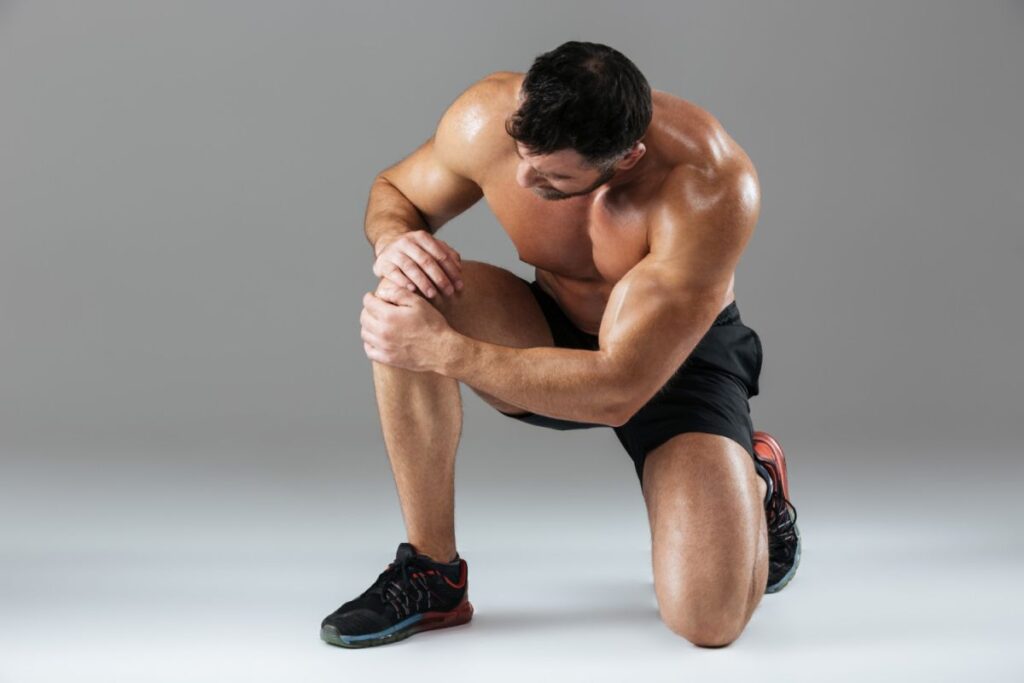
Top Exercise Machines That Protect Your Knees While Burning Calories
Let’s get into the specific equipment that delivers results without the joint pain. Each option has unique benefits, so you can choose based on what feels best for your body.
Recumbent Bike: Comfortable and Effective
A recumbent bike looks different from the upright bikes you see at most gyms. Instead of sitting straight up, you are reclined in a bucket seat with back support. Your legs pedal in front of you rather than below.
This design makes a huge difference for your knees. The larger seat distributes your weight evenly, and the reclined position takes pressure off your lower body. Your knees move through a gentle arc without bearing your full body weight.
For calorie, burning, recumbent bikes are surprisingly effective. Depending on your weight and effort level, you can burn between 300 and 500 calories in an hour. The workout targets your quads, hamstrings, and glutes while giving your cardiovascular system a solid challenge.
Quick Tip: Adjust your seat distance so your knee has a slight bend when the pedal is at its furthest point. Never fully, lock out your knee during the pedal stroke.
Elliptical Trainer: Full-Body Movement Without Impact
Elliptical remain one of the most popular choices for people with knee concerns, and for good reason. Your feet stay on the pedals throughout the entire motion, eliminating the impact that comes from feet hitting the ground.
The elliptical path mimics walking or running but with zero jarring. Most models also include moving handles, which means your arms and core get involved. This full-body engagement helps you burn more calories in less time.
An hour on an elliptical can burn anywhere from 400 to 600 calories, making it one of the more efficient options for weight loss. The variable resistance and incline settings let you customize intensity without increasing impact on your knees.
Some people find that pedaling backward on an elliptical target their muscles differently and feels even gentler on the knees. It is worth trying both directions to see what works for you.
Expert Tip: Keep your weight centered over your feet rather than leaning heavily on the handles. This engages your core and legs more effectively while maintaining proper knee alignment.
Best Machines for Weight Loss
| Machine | Fat Burn | Knee Safety |
|---|---|---|
| Elliptical | High | Very Safe |
| Recumbent Bike | Medium | Safest |
| Rowing Machine | High | Safe |

Rowing Machine: Low-Impact, High-Calorie Burn
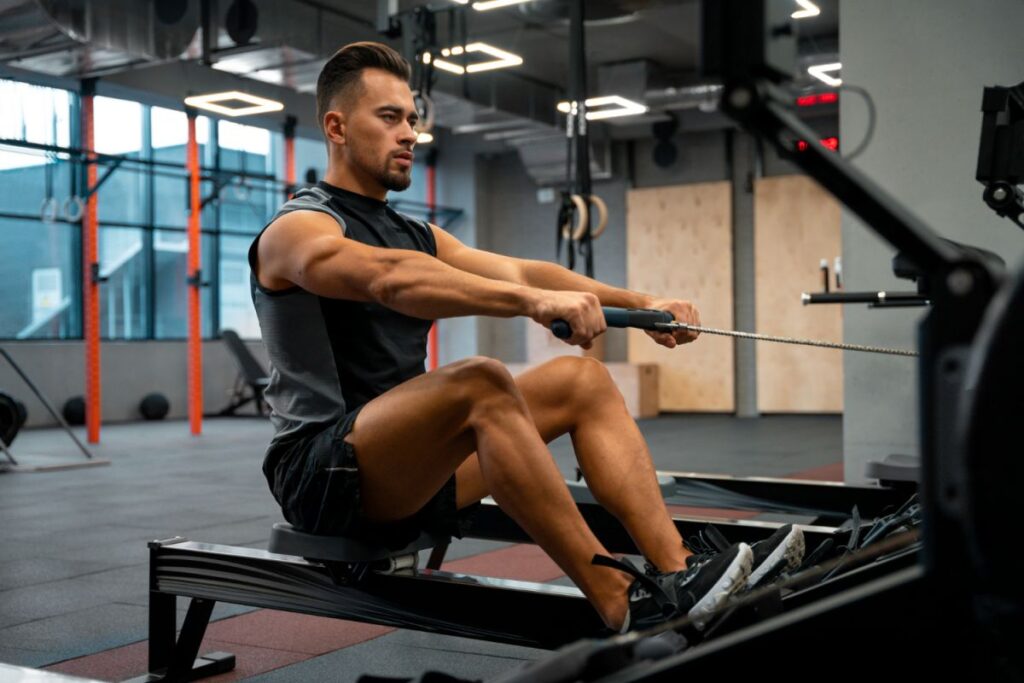
Rowing machines often get overlooked, but they’re phenomenal for people with knee problems. The seated position means you are never pounding your joints, and the smooth gliding motion keeps stress minimal.
What makes rowing special is the total-body workout you get. Your legs drive the movement, but your back, shoulders, arms, and core all contribute. This distributed effort means you burn serious calories without overworking any single joint.
Calorie burn on a rower can reach 600 to 800 per hour when you are working at a moderate to high intensity. That is comparable to running, but without any of the knee stress. Plus, the strength-building component helps boost your metabolism long after the workout ends.
Proper rowing technique matters for knee safety. The movement should flow in this order: push with your legs first, then lean back slightly, and finally pull the handle to your chest. On the return, reverse it: arms extend, torso leans forward, then knees bend.
Stationary Bike (Upright): Classic and Reliable
Standard upright bikes work well for many people with knee issues, though they are slightly more demanding than recumbent models. You will burn a similar number of calories, and the compact design makes them accessible in most gyms and homes.
The key with upright bikes is seat height. When properly adjusted, your knee should have a slight bend at the bottom of each pedal stroke. Too low and you are putting excessive pressure on your kneecap. Too high and you are hyperextending.
Start with easy resistance and focus on maintaining a steady rhythm. As you build strength in the muscles surrounding your knees, you can gradually increase the challenge.
Cushioned Treadmill for Walking: Gentle When Done Right
Treadmills get a bad reputation for knee problems, and high-speed running certainly deserves that criticism. However, walking on a well-cushioned treadmill at a moderate pace can actually be quite knee-friendly.
Modern treadmills often include shock absorption systems that reduce impact compared to concrete or asphalt. Walking at a comfortable speed while using a slight incline creates an effective calorie-burning workout without the pounding.
A 30 to 45-minute walk can burn 200 to 350 calories depending on your pace and incline. It might not seem like much compared to other machines, but it is sustainable for most people and easy to do consistently.
Never use a steep incline or fast pace if you are dealing with knee pain. Keep the speed where you can hold a conversation, and limit incline to 3-5% maximum until you know how your knees respond.
Comparing Your Options: Which Machine Fits Your Needs?
Here is a practical comparison to help you decide which equipment might work best for your situation.
| Machine Type | Calories Burned/Hour | Knee Impact Level | Full Body Workout | Best For |
| Recumbent Bike | 300-500 | Very Low | No (Lower Body Focus) | Beginners, severe knee pain, back support needs |
| Elliptical | 400-600 | Very Low | Yes | Full-body workout, moderate fitness levels |
| Rowing Machine | 600-800 | Very Low | Yes | High calorie burn, building overall strength |
| Upright Bike | 300-500 | Low | No (Lower Body Focus) | Home workouts, consistent cardio |
| Walking Treadmill | 200-350 | Low to Moderate | No (Lower Body Focus) | Simple routine, outdoor training substitute |
How to Actually Lose Weight Using These Machines
Owning or accessing the right equipment only gets you halfway there. To see real weight loss results while protecting your knees, you need a smart approach to your workouts.
Start Gradually and Build Consistency
Your first few sessions should feel easy, almost too easy. Resist the urge to go hard right away. Start with just 15 to 20 minutes at a comfortable pace. Your body needs time to adapt, especially if you have been inactive due to knee pain.
Aim for three to four sessions in your first week, and then slowly add time or frequency. By week four, you might be up to 30 or 40 minutes per session, five days a week. This gradual progression protects your joints while building cardiovascular fitness.
Use Interval Training Carefully
Once you have established a base level of fitness, intervals can boost your calorie burn significantly. This means alternating between periods of moderate effort and slightly higher intensity.
For example, on a recumbent bike, you might pedal at a comfortable pace for three minutes, then increase resistance for one minute, then return to the easier pace. This pattern keeps your heart rate elevated without constant high stress on your knees.
The key word here is “slightly” higher intensity. We are not talking about all-out sprints. Just enough increase to feel more challenging, but not so much that your knees start complaining.
Strengthen the Muscles Around Your Knees
The machines we have discussed provide cardio, but adding targeted strength work makes a real difference for knee health. Stronger quadriceps hamstrings, and glutes all help stabilize and protect your knee joints.
Bodyweight exercises like wall sits, straight leg raises, and gentle squats can be done on non-cardio days. These do not require equipment and take just 10 to 15 minutes. The stronger these supporting muscles become, the better your knees will feel during and after workouts.
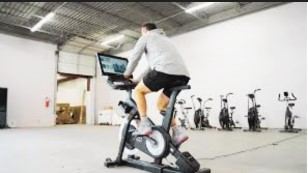
Practical Tips for Keeping Your Knees Safe During Exercise
Beyond choosing the right machine, several habits help ensure your workouts stay knee-friendly and productive.
Always Warm Up
Cold joints are stiff joints. Spend five to ten minutes doing gentle movement before your main workout. Light pedaling with no resistance or easy walking prepares your knees for more intense activity.
Mind Your Form
Proper posture and alignment prevent unnecessary knee strain. Keep your core engaged, shoulders relaxed, and avoid locking your joints at any point in the movement. If you are unsure about form, consider a session with a trainer who understands joint issues.
Listen to Your Body
Some muscle soreness after exercise is normal, especially when starting out. Sharp pain in your knee, however, is a signal to stop. There is a difference between working hard and causing damage. Learn to recognize that difference.
Stay Hydrated
Your joint tissues function better when properly hydrated. Drinking water before, during, and after exercise helps maintain the cushioning in your knees and reduces inflammation.
Invest in Good Shoes
Even on stationary machines, proper footwear matters. Supportive athletic shoes with good cushioning help maintain proper alignment from your feet up through your knees.
Creating a Sustainable Workout Schedule
Consistency beats intensity every time, especially when dealing with knee problems. Rather than sporadic hard workouts, aim for regular moderate sessions that your body can handle.
A realistic schedule might look like this: Monday, Wednesday, and Friday for 30-minute cardio sessions on your chosen machine. Tuesday and Thursday for 15 minutes of gentle strength exercises. Weekend days for rest or light walking if, you feel up to it.
This pattern gives you five active days with adequate recovery time. As your fitness improves and your knees feel stronger, you can extend session lengths or add an extra day. The progression should feel natural, not forced.
Nutrition’s Role in Weight Loss and Joint Health
Exercise burns calories, but what you eat determines whether you lose weight. You cannot out-exercise a poor diet, especially when you’re limited to low-impact options that burn moderate calories.
Focus on whole foods like vegetables, fruits, lean proteins, and whole grains. These provide the nutrients your body needs without excess calories. Foods rich in omega-3 fatty acids, like salmon and walnuts, may help reduce joint inflammation.
Stay mindful of portion sizes. Even healthy foods add up calorie-wise. Creating a moderate calorie deficit through a combination of diet and exercise leads to steady, sustainable weight loss without extreme hunger or fatigue.
Losing even 5 to 10 pounds can significantly reduce pressure on your knees. Less weight means less force with every step and pedal stroke, which often translates to less pain.
When to Seek Professional Guidance
If your knee pain is severe, getting worse or accompanied by swelling and instability, talk to a doctor before starting any exercise program. Some conditions require medical treatment or physical therapy before you can safely work out.
A physical therapist can assess your specific knee issues and recommend exercises tailored to your situation. They can also check your form on various machines to ensure you are not unknowingly making things worse.
Do not view professional help as a sign of weakness or an unnecessary expense. Getting the right guidance early can save you months of frustration and prevent further injury.
Making the Right Choice for Your Body
There’s no single “best” machine that works for everyone with knee problems. What feels great for one person might be uncomfortable for another. Your weight, fitness level, specific knee condition, and personal preferences all play a role.
If possible, try several machines before committing to one. Many gyms offer trial memberships or day passes. Some fitness equipment stores have floor models you can test. Even a few minutes on each machine gives you a sense of what feels right for your knees.
The best exercise machine for bad knees to lose weight is ultimately the one you will actually use. If you dread your workouts, you will not stick with them long enough to see results. Choose equipment that feels comfortable and maybe even enjoyable.
Moving Forward With Confidence
Living with knee pain does not mean giving up on your weight loss goals or accepting a sedentary lifestyle. With the right equipment and a thoughtful approach, you can build strength, burn calories, and improve your overall health without making your knees worse.
Start where you are, not where you think you should be. Choose a machine that feels manageable and commit to showing up consistently. Small improvements compound over time into significant results. Your knees might never be perfect, but they can definitely get stronger and hurt less with the right kind of regular movement. The journey might feel slow at times, but every workout is a step toward a healthier, more comfortable version of yourself.