

Chinese Remedies for Back Pain : Natural Solutions from Traditional Medicine
Chinese Remedies for Back Pain : Natural Solutions from Traditional Medicine
Back pain affects millions of people every day, and if you’re dealing with it, you know how frustrating it can be to find relief that actually works. While modern medicine offers plenty of options, many people are turning to traditional approaches that have been helping people for thousands of years. Chinese remedies for back pain combine ancient wisdom with practical techniques that address not just the symptoms but the underlying causes. Whether you’re struggling with chronic lower back tension or occasional upper back stiffness, these time-tested methods might offer the relief you’ve been searching for.
Key Takeaways:
- Traditional Chinese Medicine views back pain as energy blockages that disrupt natural healing.
- Acupuncture and acupressure target specific points to restore circulation and reduce inflammation.
- Chinese herbal medicine treats the root cause rather than just masking symptoms.
- Combining multiple TCM approaches often provides better results than single treatments.
- These natural remedies work alongside modern medical care for comprehensive pain management.
Understanding Back Pain Through the Chinese Medicine Lens
When you walk into a Western doctor’s office with back pain, they might diagnose you with a herniated disc, muscle strain, or degenerative joint disease. Chinese medicine takes a completely different approach. Instead of focusing solely on the physical damage, practitioners look at your body’s energy flow and overall balance. This perspective has shaped Chinese remedies for back pain for over 3,000 years.
In Traditional Chinese Medicine (TCM), your body contains vital energy called Qi (pronounced “chee”) that flows through pathways called meridians. Think of these like rivers running through your body. When everything flows smoothly, you feel healthy and pain-free. But when something blocks these rivers, the backup causes problems. The TCM saying goes: “When there is free flow, there is no pain. When there is no free flow, there is pain.”
Your lower back holds special significance in Chinese medicine. It’s considered the “mansion of the kidneys,” meaning the health of your kidney system directly affects your back strength. This doesn’t just refer to the physical organs but includes hormone balance, bone strength, and the foundational energy you’re born with. As we age, this energy naturally depletes, which explains why back pain becomes more common in older adults.

The Role of Kidney Energy in Back Health
The connection between kidney energy and back pain might sound strange at first, but it makes sense when you understand the Chinese medicine perspective. Your kidneys store what practitioners call your “essence” or foundational life force. When this essence is strong, your bones stay dense, your muscles remain flexible, and your back feels supported.
Several factors can weaken kidney energy over time. Overworking yourself physically or mentally drains this reserve faster than normal. Chronic stress, poor sleep habits, and unhealthy eating patterns all take their toll. Even exposure to cold and dampness can penetrate your body and settle into your lower back, creating that deep, achy pain that gets worse on rainy days.
People with kidney deficiency patterns often experience subtle back pain that comes on gradually rather than suddenly. The discomfort typically feels worse after activity and better with rest. You might also notice weakness in your knees, fatigue that doesn’t improve with sleep, or a general sense of coldness in your lower back area. These patterns help TCM practitioners customize Chinese remedies for back pain to match your specific needs.
Acupuncture Points That Target Back Pain Relief
Research shows that specific acupuncture points consistently help reduce back pain, with points like BL23, GV3, BL20, BL40, and BL25 being most frequently used. These aren’t random locations. Each point connects to meridians that influence different aspects of back health and pain relief.
BL23, known as Shenshu or “Kidney Shu,” sits at waist level between your second and third lumbar vertebrae. This point strengthens kidney energy and directly addresses lower back weakness. Many practitioners consider it essential for chronic back issues. BL25, called Dachangshu or “Large Intestine Shu,” targets lower back stiffness and rigidity while supporting intestinal function.
For upper back and neck tension, different points come into play. The “Sea of Vitality” points running along your spine help relieve both upper and lower back discomfort while reducing fatigue. These bilateral points require careful stimulation because they sit directly over important spinal structures.
One particularly interesting discovery is the Yaotongxue or “Lumbar Pain Point.” This point actually consists of two locations on the back of each hand, and it works remarkably well for acute lower back strains when pain appears on either side of the spine. You can even treat yourself by applying pressure to these hand points while gently moving your spine.
Quick Tip: When trying acupressure at home, apply firm but comfortable pressure for 30 seconds to one minute per point. Take deep breaths and notice any changes in your pain level or range of motion.
Chinese Herbal Medicine for Lower Back Pain
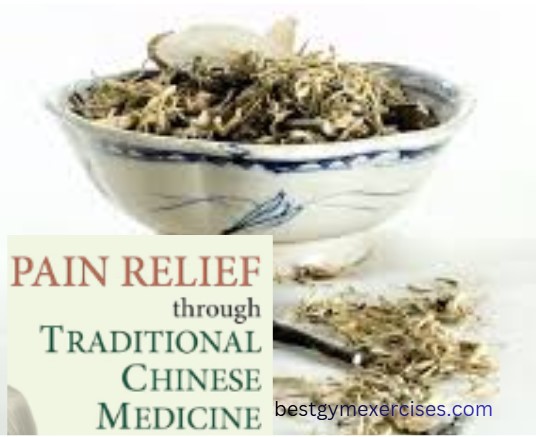
While acupuncture and acupressure work from the outside, Chinese herbal medicine addresses back pain from within. Unlike taking a single pain pill, herbal formulas typically combine 6 to 15 different ingredients that work together synergistically. This combination approach treats multiple aspects of the problem simultaneously.
Du Zhong, also called Eucommia bark, serves as a cornerstone herb for treating back pain and joint discomfort, especially benefiting people with arthritis or age-related joint issues. This herb strengthens bones and tendons while supporting kidney function. Practitioners often pair it with other ingredients to enhance circulation and reduce inflammation.
Another powerful herb is Yan Hu Suo, sometimes called the “natural painkiller” of Chinese medicine. It contains alkaloids that reduce pain signals in the nervous system without causing drowsiness, making it effective for menstrual cramps, nerve pain, and general muscle soreness. This makes it particularly useful when you need pain relief but still need to function normally throughout your day.
Traditional formulas like Da Huo Luo Dan combine numerous herbs including frankincense, myrrh, cinnamon, and ginseng to move Qi and blood while strengthening the kidneys. Each ingredient plays a specific role. Some break up stagnation, others nourish deficiency, and still others guide the formula to the affected area. This complexity explains why Chinese herbal medicine requires professional guidance rather than self-prescribing.

Heating Pad for Neck and Shoulders, Back Pain Relief, Electric Heating Pads with 6 Heat Levels & 4 Time Settings, Auto Shut-Off, Gift for Mom and Dad
About this item
- Full Back Heating Pad for Pain Relief: This large 24″ x 33″ heating pad delivers full coverage for your neck, shoulders, and back, providing deep, soothing warmth to ease muscle tension, fatigue, and stiffness. Perfect for back pain relief, neck cramps, or everyday relaxation after work
- Smart Heating Pad with Timer & Auto Shut-Off: Customize your comfort with 6 heat levels (104°F–149°F) and 4 timer settings (60, 120, 240, 360 minutes). The auto shut-off function ensures safety and peace of mind, making this neck and back heating pad perfect for bedtime or relaxation sessions
- Weighted & Adjustable Wearable Design: This wearable heating pad features a gently weighted design that promotes better contact and consistent warmth across your back and shoulders. The adjustable neck Velcro closure and waist strap provide a secure, customized fit, keeping the pad comfortably in place whether you’re sitting, relaxing, or moving around
Cupping Therapy for Muscle Tension and Blood Flow
If you’ve ever seen athletes with circular bruises on their backs, you’ve witnessed the aftermath of cupping therapy. This technique uses glass or plastic cups to create suction on your skin, drawing blood to the surface and releasing deep muscle tension. While it might look intense, most people find the sensation surprisingly pleasant.
The suction pulls stagnant blood and toxins toward the surface, allowing fresh, oxygenated blood to flow into the area. This increased circulation promotes faster healing and reduces inflammation. Cupping frequently pairs with acupuncture when treating various types of back pain, as the techniques complement each other effectively. The cups might stay in place for several minutes, or practitioners might slide them along your muscles in a technique called “moving cupping.”
People with chronic back pain often carry tension so deep that massage can’t fully reach it. Cupping accesses these deeper layers by creating negative pressure that lifts tissues away from underlying structures. After a session, you might notice improved range of motion, reduced stiffness, and a lighter feeling in your back.
The circular marks left behind fade within a few days to a week. Their darkness indicates how much stagnation existed in that area. Interestingly, as you continue regular cupping treatments, the marks typically become lighter because less stagnation accumulates between sessions.
Expert Tip: For best results with cupping, drink plenty of water after your session to help flush released toxins from your system. Avoid cold exposure immediately afterward, as your pores remain open and vulnerable.
Tui Na Massage: Chinese Medical Bodywork
Tui Na (pronounced “twee nah”) differs significantly from Swedish or deep tissue massage. This Chinese massage technique involves rhythmic compression along energy channels and specific acupressure points to relieve pain and tension while integrating acupuncture principles and herbal medicine concepts. Practitioners don’t just rub muscles; they work with your body’s meridian system to restore Qi flow.
During a Tui Na session, you might experience various hand techniques including pressing, kneading, rolling, and percussion movements. Some techniques feel vigorous and stimulating, while others seem gentle and soothing. The practitioner adjusts their approach based on whether your back pain stems from excess (stagnation) or deficiency (weakness).
For acute injuries with inflammation and sharp pain, Tui Na practitioners use cooling, dispersing techniques to move stagnant blood and reduce swelling. For chronic weakness with dull, achy pain that improves with warmth, they employ warming, tonifying techniques to strengthen the area and nourish deficient Qi.
Many people combine Tui Na with other Chinese remedies for back pain, creating a comprehensive treatment plan. You might receive acupuncture, followed by cupping, and finish with Tui Na massage. This layered approach addresses your back pain from multiple angles simultaneously.
Moxibustion: Warming Therapy for Deep-Seated Pain
Moxibustion involves burning dried mugwort (called “moxa”) near specific acupuncture points to warm the meridians and expel cold. This technique particularly helps people whose back pain worsens in cold, damp weather or who constantly feel cold in their lower back region.
The warming sensation from moxibustion penetrates deeply into tissues, unlike surface heat from heating pads. Practitioners might hold a moxa stick near your skin, attach moxa to the top of acupuncture needles, or place moxa cones directly on your body (with protective layers). The heat drives out cold pathogenic factors that have invaded your meridians and settled into your back.
Cold-type back pain has distinct characteristics. The affected area feels cold to the touch, pain intensifies in cold weather or when exposed to air conditioning, and warming the area brings relief. You might notice your back feels stiff first thing in the morning and loosens up as you move around and generate body heat.
Moxibustion sessions fill the room with a distinctive herbal aroma. Most people find the scent pleasant and the warmth deeply relaxing. The treatment not only relieves current pain but also builds your body’s resistance to future cold invasion when used regularly.
Tai Chi and Qigong: Movement as Medicine
Chinese remedies for back pain extend beyond hands-on treatments and herbs. Gentle movement practices like Tai Chi and Qigong help prevent pain recurrence while strengthening your back naturally. These aren’t intense workouts but rather flowing, meditative movements that improve posture, flexibility, and energy circulation.
Tai Chi combines slow, deliberate movements with deep breathing and mental focus. The practice strengthens your core muscles, which provide essential support for your spine. Better core stability reduces strain on your back muscles and decreases injury risk. The weight-shifting movements also improve balance, reducing fall risks that could trigger acute back injuries.
Qigong focuses even more explicitly on cultivating and moving Qi through your body. Simple Qigong exercises for back health might include gentle spinal rotations, standing meditation poses that strengthen your lower back, and breathing techniques that direct energy to painful areas. Activities like Tai Chi and Qigong help unblock energy channels, alleviate tension, and prevent stagnation while reducing the likelihood of back pain.
Many people notice that regular practice not only helps their backs but improves their overall wellbeing. The mindfulness component reduces stress, which often contributes to muscle tension and pain. The gentle nature of these practices makes them accessible even when you’re experiencing active back pain.
Dietary Therapy: Eating for Back Health
Traditional Chinese Medicine recognizes that what you eat directly impacts your internal health, including your back. Certain foods strengthen kidney energy, while others contribute to dampness and inflammation that worsen pain. A TCM practitioner might recommend dietary adjustments alongside other Chinese remedies for back pain.
Foods that support kidney health include black beans, walnuts, sesame seeds, bone broth, and dark leafy greens. These ingredients nourish the essence that supports your bones and back structure. Warming spices like ginger and cinnamon help expel cold from your system, particularly beneficial if your back pain worsens in cold weather.
Conversely, certain foods can aggravate back problems according to TCM principles. Excessive cold foods and drinks (ice water, frozen desserts, raw vegetables in winter) can introduce cold into your body. Too many greasy, heavy foods create dampness that impedes Qi and blood circulation. Sugar and refined carbohydrates promote inflammation throughout your body.
The ideal diet varies based on your specific pattern. Someone with kidney deficiency might need more nourishing, warming foods, while someone with heat and inflammation benefits from cooling foods like cucumber and watermelon. This personalized approach considers your unique constitution and current condition.

Combining Modern and Traditional Approaches
Here’s something important to understand: Chinese remedies for back pain work best as part of a comprehensive approach, not as replacements for medical care. If you have severe back pain, numbness, or weakness in your legs, see a doctor first to rule out serious conditions requiring immediate intervention. Once you know what you’re dealing with, you can explore how TCM might complement your treatment plan.
Many people successfully combine Western and Eastern approaches. You might use pain medication when needed while receiving regular acupuncture treatments. Physical therapy exercises can work alongside Tai Chi practice. Some herbs interact with medications, so always inform both your doctor and TCM practitioner about everything you’re taking.
Research continues to validate many traditional Chinese medicine approaches for pain management. Studies have found that acupuncture may be more effective than physical therapy for chronic lower back pain, and cupping showed better results than some medications like NSAIDs for reducing back pain. This scientific validation helps bridge the gap between traditional wisdom and modern medicine.
The holistic perspective of Chinese medicine also addresses factors that conventional treatment might overlook. Stress, emotional health, sleep quality, and lifestyle habits all influence your back pain and recovery. TCM treatments often improve these areas simultaneously, creating positive ripple effects throughout your health.
Understanding Treatment Investment and Timeline
Professional Chinese medicine treatments require both financial and time investment. Acupuncture sessions typically cost between $75 and $120 per visit, though prices vary by location and practitioner experience. Most people need multiple sessions to see significant improvement, especially for chronic conditions.
While some individuals notice improvements within a few weeks, most herbal treatments typically last between 4 to 12 weeks depending on the severity and type of pain. Acute injuries often respond faster than long-standing chronic pain. The goal is addressing underlying imbalances gradually rather than quick fixes that don’t last.
Insurance coverage for acupuncture and other TCM modalities varies widely. Some plans cover acupuncture for specific conditions like chronic back pain, while others don’t cover it at all. Check your specific policy and consider asking about out-of-network benefits if your preferred practitioner doesn’t accept insurance.
The investment often proves worthwhile when you consider the long-term benefits. Unlike pain medications that require ongoing purchases, successful TCM treatment can lead to sustained improvements that reduce your need for continued intervention. Learning self-care techniques like acupressure and Qigong provides tools you can use indefinitely without additional costs.
Finding Qualified TCM Practitioners
Not all practitioners offering Chinese medicine services have equivalent training and credentials. When seeking Chinese remedies for back pain, look for properly licensed professionals with extensive education in TCM theory and techniques. Licensed acupuncturists (L.Ac.) have completed rigorous programs typically lasting three to four years.
Ask about their specific experience treating back pain. Some practitioners specialize in pain management and musculoskeletal conditions, while others focus on different areas like fertility or mental health. Someone who regularly treats back pain patients will have developed refined skills and strategies for your specific issue.
Word-of-mouth referrals often lead to excellent practitioners. Ask friends, family, or your primary care doctor if they know reputable TCM practitioners in your area. Many acupuncturists offer initial consultations where you can discuss your condition and treatment approach before committing to ongoing care.
During your first visit, expect a thorough intake process. The practitioner will ask detailed questions about your pain patterns, overall health, sleep, digestion, and emotional state. They’ll examine your tongue and feel your pulse, which provide diagnostic information in Chinese medicine. This comprehensive assessment allows them to identify your specific pattern and customize treatment accordingly.
Self-Care Techniques You Can Practice at Home
While professional treatment provides the foundation, self-care practices extend the benefits between sessions. Several simple techniques allow you to apply Chinese medicine principles at home without special equipment or extensive training.
Self-acupressure offers an accessible starting point. The CV6 point, located about two finger widths below your navel, strengthens your lower back and core. Apply steady pressure for 30 to 60 seconds while breathing deeply. The Kidney 3 point, found in the depression between your inner ankle bone and Achilles tendon, supports kidney energy that influences back health.
Gentle stretching combined with mindful breathing helps maintain flexibility and prevent stiffness. Simple spinal rotations, cat-cow stretches, and gentle forward folds all promote Qi circulation through your back. Move slowly and never force yourself into pain. The goal is encouraging flow, not creating more strain.
Applying warmth to your lower back supports healing, especially for cold-type back pain. Use a heating pad, hot water bottle, or even warm ginger compresses. Avoid ice on your back unless you have acute inflammation from a recent injury, as cold can drive pathogenic factors deeper into your body according to TCM principles.
Common Questions About Chinese Back Pain Remedies
Q: How does Chinese medicine determine the cause of my back pain?
TCM practitioners use a diagnostic system completely different from Western medicine. They evaluate your pain quality (sharp, dull, burning, heavy), timing (worse in morning or evening, affected by weather), and location. They examine your tongue color and coating, feel the quality of your pulse at multiple positions, and ask about seemingly unrelated symptoms like digestion or sleep. This information reveals whether your pain stems from Qi stagnation, blood stasis, kidney deficiency, cold invasion, or other patterns. Each pattern requires different treatment approaches.
Q: Can acupuncture help acute back injuries or only chronic pain?
Acupuncture works for both acute and chronic back pain, though the treatment approach differs. Acute injuries often respond quickly, sometimes within one to three sessions. Practitioners focus on reducing inflammation, moving stagnant blood from the injury site, and relieving muscle spasm. Chronic pain typically requires longer treatment courses to address the underlying imbalances that allow pain to persist. Specific acupuncture points like PC-6 and LU-6 have been found effective for individuals with acute lower back pain.
Q: Are there any risks or side effects from Chinese herbal medicine?
Chinese herbs are generally safe when prescribed by qualified practitioners, but they can cause side effects or interact with medications. Reported side effects include watery stool, abdominal pain, stomachache, itching, reddish skin, and small blisters, though no life-threatening complications were reported in clinical trials. Always inform your herbalist about any medications, supplements, or health conditions. Pregnant women and people with liver or kidney disease need special precautions. Quality matters too; purchase herbs from reputable sources that test for contamination.
Q: How long does each acupuncture session last?
A typical acupuncture treatment lasts 45 to 60 minutes total, though needle retention time is usually 20 to 30 minutes. Your first visit takes longer because it includes a comprehensive intake and examination. The practitioner spends time selecting points, inserting needles, checking your comfort, and potentially adding complementary techniques like cupping or heat therapy. Subsequent visits move faster since the assessment is complete. Some practitioners offer shorter sessions focusing specifically on pain relief.
Q: Can I do Tai Chi or Qigong if I currently have back pain?
Absolutely. In fact, these gentle practices often help relieve current pain while preventing future episodes. Start with simple movements and never push into sharp pain. Many Qigong exercises can be done while sitting or lying down if standing is uncomfortable. Consider finding a qualified instructor who can modify movements for your current condition. Even a few minutes of gentle practice daily can make a noticeable difference in your pain levels and mobility.
Simple Home Remedies from Chinese Medicine
| Remedy | How to Use | Best For | Frequency |
|---|---|---|---|
| Ginger Compress | Grate fresh ginger, wrap in cloth, steep in hot water, apply to lower back | Cold-type pain, stiffness in cold weather | 2-3 times weekly |
| Self-Acupressure CV6 | Press point 2 finger widths below navel for 60 seconds | General lower back weakness | Daily |
| Kidney 3 Point | Press depression between inner ankle and Achilles for 60 seconds each side | Chronic low back pain, fatigue | Daily |
| Warming Food Tea | Simmer ginger, cinnamon, and black beans for 20 minutes, drink warm | Supporting kidney energy | 3-4 times weekly |
| Gentle Spinal Rotation | Stand with feet shoulder-width, slowly rotate torso left and right | Maintaining mobility, preventing stiffness | Daily |
Making Traditional Remedies Part of Your Routine
Incorporating Chinese remedies for back pain into your daily life doesn’t require a complete lifestyle overhaul. Small, consistent changes often produce better results than dramatic but unsustainable efforts. Start with one or two practices that appeal to you and gradually add others as they become habitual.
Morning routines offer an excellent opportunity for self-care practices. Spend five minutes doing gentle Qigong stretches before getting out of bed. This prepares your back for the day ahead and promotes circulation after hours of stillness. Apply self-acupressure to a few key points while your morning tea steeps.
Throughout your day, maintain awareness of your posture and stress levels. When you notice tension building in your back, take a few deep breaths and consciously release the muscles. Every hour or two, stand up and do gentle spinal rotations if you work at a desk. These micro-practices prevent the accumulation of stagnation that leads to pain.
Evening presents another natural time for self-care. Apply warmth to your lower back while relaxing, practice a short Tai Chi routine, or massage acupressure points as part of your wind-down ritual. Consistency matters more than duration. Ten minutes daily beats an hour once a week for maintaining the benefits of Chinese medicine approaches.
Looking Beyond Symptom Management
The beauty of Chinese remedies for back pain lies in their holistic approach. Rather than simply masking discomfort, these methods address the root causes that allow pain to develop in the first place. This perspective shift changes how you relate to your body and health.
Western medicine excels at diagnosing structural problems and providing acute intervention when necessary. Chinese medicine complements this by addressing functional imbalances, supporting your body’s innate healing capacity, and preventing future problems. The two systems together offer more comprehensive care than either alone.
Pay attention to how your overall wellbeing improves alongside your back pain. Many people receiving TCM treatment notice better sleep, improved digestion, more stable moods, and higher energy levels. These aren’t side effects but rather signs that your body’s systems are coming back into balance. When your foundation strengthens, specific symptoms naturally resolve.
Consider your back pain an invitation to examine your lifestyle, stress levels, movement patterns, and self-care practices. The pain serves as a signal that something needs attention. Rather than viewing it as an enemy to suppress, see it as information your body provides about what it needs to function optimally.
Finding relief from back pain often requires patience and a willingness to explore different approaches. Chinese remedies for back pain offer time-tested techniques that have helped countless people over thousands of years. Whether you choose acupuncture, herbal medicine, cupping, Tai Chi, or a combination of these methods, you’re accessing a rich tradition of healing that honors your body’s innate wisdom.
The journey toward a pain-free back isn’t always linear. Some days feel better than others, and healing happens in layers rather than all at once. Give these approaches adequate time to work, maintain consistency with treatments and self-care practices, and communicate openly with your practitioners about what helps and what doesn’t. Your back carries you through life. Treating it with the comprehensive care that Chinese medicine provides honors this essential part of your body while supporting your overall vitality and wellbeing.