
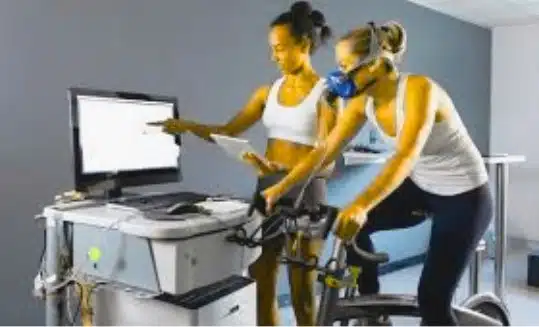
A Practical Guide to Exercise With Oxygen Therapy at Home
Breathe Stronger, Move Smarter: A Practical Guide to Exercise With Oxygen Therapy at Home, A New Way to Train Your Body at Home
Exercise habits are changing fast, especially for people who want safer, smarter, and more effective workouts at home. One growing approach is combining physical activity with controlled oxygen support. This method is gaining attention among fitness enthusiasts, recovery-focused individuals, and people managing breathing challenges.
Exercise with oxygen therapy at home is not about pushing harder. It is about breathing better while you move. When done correctly, it can support endurance, recovery, and overall comfort during workouts. This guide is written to help you understand the concept clearly and apply it safely.
In this in-depth article, you will learn what this method is, how it works, who it is for, and how to use it properly at home. Everything is explained in simple, human language, with practical tips you can trust.
What Is Exercise With Oxygen Therapy at Home?
Exercise with oxygen therapy at home means performing light to moderate physical activities while using supplemental oxygen or oxygen-enriched air under controlled conditions. This is usually done with portable oxygen concentrators or oxygen delivery devices designed for home use.
The goal is not to replace natural breathing but to support it. Oxygen therapy may help people who experience shortness of breath, fatigue, or low oxygen saturation during movement. When combined with exercise, it can make workouts feel smoother and more sustainable.
This approach is often used by older adults, people in post-recovery phases, or those easing back into fitness routines. It is also explored by athletes for recovery and conditioning under professional guidance.

Why Oxygen Matters During Physical Activity
Oxygen fuels every movement your body makes. When you exercise, your muscles demand more oxygen to produce energy. If oxygen delivery feels limited, fatigue sets in quickly, and performance drops.
During exercise with oxygen therapy at home, the body receives additional oxygen support. This can reduce breathlessness and help maintain a steady rhythm during movement. Many users report feeling more relaxed and confident during their sessions.
It is important to understand that oxygen therapy is not a performance shortcut. It is a supportive tool that works best when paired with safe exercise habits and proper guidance.
Who Can Benefit From This Type of Exercise?
Exercise with oxygen therapy at home can be helpful for different groups when used responsibly. It is commonly considered by:
- People with mild respiratory limitations
- Individuals recovering from illness or surgery
- Seniors aiming to stay active with comfort
- Beginners who feel breathless during workouts
- Fitness-focused users under medical advice
Not everyone needs oxygen therapy. Healthy individuals should not use oxygen devices without professional input. Always consult a healthcare provider before starting.
Understanding Home Oxygen Therapy Devices
Before starting exercise with oxygen therapy at home, it is essential to know the basic equipment involved. Most home setups include portable oxygen concentrators, nasal cannulas, or simple oxygen masks.
Portable oxygen concentrators work by filtering and concentrating oxygen from the surrounding air. They are lightweight, easy to use, and designed for mobility. This makes them suitable for walking, stretching, or light cycling at home.
The key is comfort and safety. Devices should be maintained well, used as instructed, and kept away from heat or flames.

Safety First: Important Precautions to Follow
Safety should always come before performance. Exercise with oxygen therapy at home must be done responsibly to avoid risks.
Here are some essential safety guidelines:
- Get medical approval before starting
- Use only prescribed oxygen flow levels
- Never adjust oxygen settings on your own
- Avoid intense or high-impact exercises initially
- Stop immediately if dizziness or chest discomfort occurs
Oxygen is not harmful when used correctly, but misuse can be dangerous. Treat it as a supportive aid, not a fitness gadget.
Best Types of Exercises to Combine With Oxygen Therapy
Not all workouts are suitable for oxygen-supported exercise. The best options are controlled, steady movements that allow you to focus on breathing.
Walking and Light Cardio
Indoor walking, treadmill use, or slow marching in place are excellent starting points. These activities help improve circulation without overwhelming the lungs.
Stretching and Mobility Work
Gentle stretches, mobility drills, and flexibility routines work well with oxygen support. They encourage relaxed breathing and reduce muscle tension.
Low-Impact Strength Training
Bodyweight movements like chair squats, wall push-ups, and resistance band exercises can be effective. Keep repetitions slow and controlled.
Breathing-Focused Movement
Yoga-inspired poses, seated breathing exercises, and posture work pair perfectly with oxygen therapy. These movements emphasize calm, deep breathing.
Creating a Simple Home Routine
Building a routine makes exercise with oxygen therapy at home more effective and enjoyable. Start with short sessions and increase gradually.
A sample beginner routine might include:
- 5 minutes of relaxed breathing
- 10 minutes of light walking
- 5 minutes of stretching
- 5 minutes of cool-down breathing
This structure keeps your body engaged without exhaustion. Over time, you can slowly extend each phase based on comfort.
How Often Should You Practice?
Consistency matters more than intensity. Most people benefit from 3 to 5 sessions per week. Each session can last between 20 and 40 minutes depending on fitness level.
Daily movement is encouraged, but oxygen-supported exercise should follow medical advice. Rest days are just as important as active days for recovery.
The Mental Benefits You Might Notice
Exercise with oxygen therapy at home does not only affect the body. Many users notice mental and emotional benefits as well.
Improved breathing can create a sense of calm and reduce exercise-related anxiety. Feeling supported during movement builds confidence and motivation. Over time, workouts feel less stressful and more enjoyable.
Mental comfort is a powerful factor in long-term fitness success.
Nutrition and Hydration Tips for Better Results
Good nutrition supports oxygen use in the body. Staying hydrated helps maintain smooth blood flow, which improves oxygen delivery to muscles.
Focus on balanced meals that include:
- Lean proteins
- Whole grains
- Fresh fruits and vegetables
- Healthy fats
Avoid heavy meals before exercise. Light snacks work better when planning exercise with oxygen therapy at home.
Common Mistakes to Avoid
Even with good intentions, some mistakes can reduce the benefits of oxygen-supported exercise.
Avoid these common issues:
- Using oxygen without professional guidance
- Exercising too hard too soon
- Ignoring warning signs from your body
- Skipping warm-up and cool-down phases
Progress should feel steady, not forced. Listening to your body is essential.

How This Method Fits Into Long-Term Fitness Goals
Exercise with oxygen therapy at home is not a replacement for regular training. It is a supportive phase or long-term aid depending on individual needs.
Some people use it temporarily during recovery. Others integrate it as a consistent part of their wellness routine. The key is adapting it to your personal goals and comfort level.
Fitness is not about comparison. It is about sustainable progress.
Cost Considerations and Accessibility
Home oxygen equipment varies in price depending on quality and features. Some users invest in basic concentrators, while others rent devices through providers.
Budget planning is important. One-time investments, sometimes around $49 for accessories or setup support, can make a difference in overall experience. Always prioritize certified equipment and proper support.
Real-Life Example: A Balanced Home Approach
Consider someone returning to fitness after a long break. They feel breathless during simple movements. By combining gentle walking with oxygen support, they gradually rebuild stamina.
Within weeks, movement feels easier. Confidence improves. Eventually, oxygen support may be reduced or discontinued under guidance. This practical approach highlights how supportive tools can make fitness more accessible.
Table: Exercise Types and Oxygen Support Suitability
| Exercise Type | Intensity Level | Suitable With Oxygen Therapy | Notes |
|---|---|---|---|
| Indoor Walking | Low | Yes | Ideal for beginners |
| Stretching | Very Low | Yes | Focus on breathing |
| Resistance Bands | Low to Moderate | Yes | Use slow movements |
| Yoga-Based Flow | Low | Yes | Avoid inverted poses |
| High-Impact Cardio | High | No | Not recommended |
FAQs About Exercise With Oxygen Therapy at Home
Is exercise with oxygen therapy at home safe for everyone?
No. It should only be used by people who are advised or approved by a healthcare professional. Healthy individuals should not use oxygen without guidance.
Can I lose weight using this method?
Weight loss depends on overall activity, nutrition, and consistency. Oxygen therapy supports comfort but does not directly cause weight loss.
How long before I notice benefits?
Some people feel improved comfort within days, while others notice changes after a few weeks of regular practice.
Can I stop using oxygen once I feel better?
Any changes to oxygen use should be discussed with a medical professional. Do not stop or adjust on your own.
Does this replace traditional workouts?
No. Exercise with oxygen therapy at home is a supportive method, not a replacement for long-term fitness training.
Final Thoughts: A Smarter Way to Stay Active
Exercise with oxygen therapy at home offers a thoughtful approach to movement for those who need extra breathing support. It combines science, safety, and practicality in a way that respects the body’s limits.
When done responsibly, it can improve confidence, consistency, and overall exercise enjoyment. The key is patience, guidance, and listening to your body every step of the way.
For readers of bestgymexercises.com, this method represents one more tool in the journey toward healthier movement at home. Stay informed, stay safe, and keep moving forward with purpose.