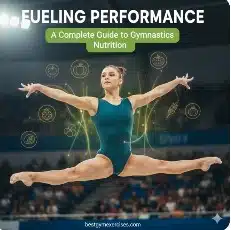
Fueling Performance A Complete Guide to Gymnastics Nutrition
Fueling Performance A Complete Guide to Gymnastics Nutrition
Gymnastics demands incredible strength, flexibility, and precision. Every flip, vault, and balance beam routine requires your body to perform at its absolute best. But here’s something many gymnasts overlook: what you eat directly impacts how well you perform. Proper gymnastics nutrition isn’t just about eating healthy foods. It’s about strategically fueling your body to support intense training sessions, promote recovery, and maintain the energy levels needed for demanding routines.
Whether you’re a competitive athlete or training recreationally, understanding how to nourish your body can make the difference between good performances and great ones. Throughout this guide, we’ll explore practical nutrition strategies that help gymnasts of all levels perform their best.
Key Takeaways
- Gymnasts require a balanced intake of carbohydrates, proteins, and healthy fats to support their unique training demands
- Timing your meals around training sessions can significantly enhance performance and recovery
- Bone health nutrients like calcium and vitamin D are critical for gymnasts due to high-impact movements
- Proper hydration affects coordination, strength, and mental focus during routines
- Avoiding restrictive dieting helps maintain energy levels and supports healthy growth in young athletes
Understanding the Energy Demands of Gymnastics
Gymnastics is one of the most physically demanding sports out there. Your body needs fuel to power through multiple training sessions each week, often lasting several hours. The explosive movements, repetitions, and skill work all drain your energy reserves quickly. Many gymnasts train between 15 to 30 hours per week, which means their nutritional needs are significantly higher than those of less active individuals. The right approach to gymnastics nutrition helps you meet these demands without feeling exhausted or running out of steam halfway through practice.
Why Gymnasts Need Strategic Fueling
Strategic fueling means eating with purpose rather than just grabbing whatever is convenient. Gymnasts face unique challenges because they need to be strong and powerful while maintaining a lean physique for optimal performance. This balance requires thoughtful planning. Your body composition affects how you move through space, but drastically cutting calories can sabotage your training gains and leave you feeling weak. Young gymnasts especially need to pay attention to their nutrition because they’re still growing. Restricting food intake during these critical developmental years can lead to delayed puberty, poor bone density, and long-term health complications.

The Balance Between Power and Weight Management
Many gymnasts worry about their weight, but the scale doesn’t tell the whole story. Body composition matters more than a number. You want to build lean muscle mass while keeping body fat at healthy levels. Being too light can reduce your power output and increase injury risk. Muscle tissue is denser than fat, so a strong, muscular gymnast might weigh more than someone with less muscle mass.
Healthy weight management through proper gymnastics nutrition focuses on eating enough nutrient-dense foods to support training. This means regular meals and snacks throughout the day rather than skipping meals. When you fuel your body consistently, your metabolism functions optimally and you maintain stable energy. Crash dieting or extreme restriction typically backfires, leading to decreased performance and muscle loss.
Essential Macronutrients for Gymnast Performance
Macronutrients are the big three: carbohydrates, proteins, and fats. Each plays a specific role in supporting your training, and cutting any of them too low can negatively impact your performance. A balanced approach to gymnastics nutrition includes adequate amounts of all three macronutrients, distributed throughout the day. Most gymnasts thrive on a diet that includes roughly 50-60% carbohydrates, 15-20% protein, and 25-30% healthy fats.

Carbohydrates as Your Primary Fuel Source
Carbohydrates are your body’s preferred energy source, especially during high-intensity activities like gymnastics. When you eat carbs, your body breaks them down into glucose, which gets stored in your muscles and liver as glycogen. During training, your body taps into these glycogen stores to power your movements. Without adequate carbohydrates, you’ll feel sluggish, weak, and mentally foggy.
The best carbohydrate sources for gymnasts include whole grains like brown rice, quinoa, and oats, as well as fruits, vegetables, and legumes. These foods provide sustained energy and come packaged with vitamins, minerals, and fiber. While simple carbs like white bread can provide quick energy, they often lead to energy crashes. Focus on complex carbohydrates most of the time, saving simple carbs for right before or during long training sessions when you need rapid fuel.

Protein for Muscle Recovery and Growth
Protein is essential for repairing and building muscle tissue that gets broken down during training. Every time you perform a skill, your muscle fibers experience microscopic damage. Consuming adequate protein helps repair this damage and makes your muscles stronger. Gymnasts should aim for approximately 1.2 to 1.6 grams of protein per kilogram of body weight daily, distributed across meals and snacks.
Quality protein sources include lean meats like chicken and turkey, fish, eggs, dairy products like Greek yogurt and cottage cheese, and plant-based options such as beans, lentils, tofu, and tempeh. Including a protein source at each meal helps you meet your daily needs without relying heavily on supplements. A simple post-training snack combining protein and carbs, like chocolate milk or a turkey sandwich, effectively kickstarts recovery.
Healthy Fats for Hormone Balance
Fats often get a bad reputation, but they’re crucial for gymnast health. Dietary fat supports hormone production, including hormones that regulate growth, development, and menstrual function in female gymnasts. Fat also helps your body absorb fat-soluble vitamins and provides concentrated energy. Inadequate fat intake can lead to hormonal imbalances and compromised bone health.
Include sources of healthy fats such as avocados, nuts, seeds, olive oil, fatty fish like salmon, and nut butters. Aim to include a source of healthy fat at most meals. Add sliced avocado to your breakfast toast, snack on a handful of almonds, or drizzle olive oil over your dinner vegetables. Even though a comprehensive nutrition consultation with a sports dietitian might cost around $109, the investment in personalized guidance can help optimize your fueling strategy for peak performance.

Micronutrients That Support Training
While macronutrients provide energy and building blocks for your body, micronutrients are the vitamins and minerals that keep everything running smoothly. Gymnasts have higher micronutrient needs than sedentary individuals because of their training demands. Certain micronutrients deserve special attention in gymnastics nutrition because deficiencies are common among athletes.
Calcium and Vitamin D for Bone Health
Gymnasts place enormous stress on their bones through repeated impact from landing jumps and dismounts. Strong bones are essential for injury prevention and long-term health. Calcium is the primary mineral in bone tissue, and vitamin D helps your body absorb and use calcium effectively. Together, these nutrients support bone density and reduce fracture risk.
Excellent calcium sources include dairy products like milk, yogurt, and cheese, as well as fortified plant-based milks, leafy green vegetables, and canned fish with bones. Vitamin D is tougher to get from food alone, though fatty fish, egg yolks, and fortified foods help. Your body also produces vitamin D when your skin is exposed to sunlight. Many gymnasts benefit from vitamin D supplements, especially those who train primarily indoors. Talk to your doctor about testing your vitamin D levels.
Iron for Energy and Endurance
Iron is a component of hemoglobin, the protein in red blood cells that carries oxygen throughout your body. Your muscles need oxygen to produce energy, so adequate iron levels are crucial for stamina and performance. Iron deficiency is surprisingly common among athletes, particularly female gymnasts, and can lead to fatigue, decreased endurance, and poor concentration.
Red meat is one of the best sources of easily absorbed iron, but gymnasts can also get iron from poultry, fish, beans, lentils, fortified cereals, and dark leafy greens. Plant-based iron sources are less readily absorbed, but you can enhance absorption by pairing them with vitamin C-rich foods. For example, add strawberries to your iron-fortified oatmeal or squeeze lemon juice over your spinach salad. If you suspect iron deficiency, get tested before supplementing, as too much iron can be harmful.
Meal Timing Strategies for Training Days
What you eat matters, but when you eat also significantly impacts your performance and recovery. Strategic meal timing ensures your body has the fuel it needs when it needs it most. The timing principles of gymnastics nutrition are straightforward: eat a balanced meal several hours before training, include a small snack closer to workout time if needed, and refuel properly afterward.
Pre-Training Nutrition Guidelines
Your pre-training meal should provide sustained energy without causing digestive discomfort. Eating too close to training can lead to stomach upset, while training on an empty stomach often results in low energy. Most gymnasts do best eating a full meal about three to four hours before training. This meal should include carbohydrates for energy, some protein, and moderate fat.
Good pre-training options include oatmeal with berries and almond butter, a turkey and cheese sandwich on whole grain bread with fruit, or brown rice with grilled chicken and vegetables. If you need something closer to workout time, choose a smaller, easily digestible snack about 30 to 60 minutes beforehand. Examples include a banana with peanut butter, a granola bar, or a small smoothie.
Post-Workout Recovery Meals
The post-training window is when your body is primed to absorb nutrients and begin recovery. Within 30 to 60 minutes after finishing your workout, consume a snack or meal that combines carbohydrates and protein. The carbs replenish depleted glycogen stores, while protein provides amino acids needed for muscle repair.
Convenient post-training options include chocolate milk, a protein smoothie with fruit, Greek yogurt with granola, or a peanut butter and jelly sandwich. Follow this with a balanced meal within two to three hours. An example might be salmon with sweet potato and roasted broccoli, or a burrito bowl with rice, beans, chicken, avocado, and vegetables.
Hydration Essentials for Gymnasts
Proper hydration is critically important for gymnast performance. Even mild dehydration can impair coordination, reduce strength, increase fatigue, and slow reaction time. Water makes up about 60% of your body weight and is involved in virtually every bodily function. Gymnasts lose fluid through sweat during training, and the amount varies based on intensity, duration, and individual sweat rate.
You can’t rely solely on thirst because by the time you feel thirsty, you’re already somewhat dehydrated. Instead, make hydration a consistent habit throughout the day. Start by drinking water with meals and snacks, and keep a water bottle with you during training. A simple way to monitor your hydration status is by checking your urine color. Pale yellow indicates good hydration, while dark yellow suggests you need to drink more. Most gymnasts do fine with water for training sessions under 90 minutes. For longer sessions, a sports drink providing electrolytes can help maintain performance.
Common Nutrition Mistakes to Avoid
Even with good intentions, many gymnasts fall into nutrition traps that undermine their performance and health. One of the biggest errors is chronically under-eating in an attempt to stay lean. This approach typically backfires, leading to decreased energy, poor recovery, and increased injury risk. Another mistake is skipping meals, particularly breakfast. Eating regular meals and snacks stabilizes blood sugar and maintains energy levels. Relying heavily on processed foods instead of whole foods is also problematic. Build your diet primarily around whole, minimally processed foods.
Quick Tip
Pack snacks the night before training days so you’re never caught without proper fuel. Keep non-perishable options like granola bars, trail mix, and nut butter packets in your gym bag for emergencies. Being prepared makes it easier to stick to your gymnastics nutrition plan even on busy days.
Sample Daily Meal Plan for Gymnasts
| Meal | Example Foods | Key Benefits |
|---|---|---|
| Breakfast | Scrambled eggs, whole grain toast, avocado | Protein, healthy fats, carbs |
| Mid-Morning | Greek yogurt with berries | Calcium, protein, energy |
| Lunch | Turkey sandwich, carrots with hummus, apple | Balanced macronutrients |
| Pre-Training | Banana with peanut butter | Quick energy |
| Post-Training | Chocolate milk and pretzels | Glycogen, muscle recovery |
| Dinner | Grilled chicken, brown rice, broccoli | Complete recovery meal |
Adjust portions based on your hunger levels and training volume. This demonstrates meal distribution for stable energy.
Expert Tip
Pay attention to how different foods make you feel during training. Keep a simple food and performance journal for a few weeks, noting what you ate before practice and how you felt during your session. This personal data helps you identify which foods and timing strategies work best for your body, allowing you to fine-tune your approach for optimal performance.
Frequently Asked Questions About Gymnastics Nutrition
How many calories should a gymnast eat per day?
Calorie needs vary based on age, body size, training volume, and metabolism. Most competitive gymnasts training 15 to 25 hours weekly need between 2,000 to 3,500 calories daily. Focus on eating regular, balanced meals and listening to your hunger cues rather than obsessing over calorie counting.
Should gymnasts take supplements?
Most gymnasts can meet nutritional needs through food alone. However, vitamin D supplementation is often recommended for athletes who train indoors. Female gymnasts may benefit from iron supplementation under medical supervision. Protein powders can be convenient for post-training recovery. Always consult a doctor before starting supplements.
What should I eat if I train twice in one day?
Double training days require strategic fueling. Eat a substantial breakfast, then have a balanced meal between sessions with carbs, protein, and healthy fats. If time is limited, focus on easily digestible carbs and protein. Stay hydrated and don’t skip post-training nutrition after the second session.
Can gymnasts be vegetarian or vegan?
Absolutely. Many successful gymnasts follow plant-based diets. Ensure adequate protein, iron, calcium, vitamin B12, and omega-3 fatty acids. Include varied plant proteins like beans, lentils, tofu, and nuts. Combine plant iron sources with vitamin C-rich foods to enhance absorption. Most vegan gymnasts benefit from a B12 supplement.
Moving Forward With Your Nutrition Plan
Building a solid gymnastics nutrition foundation doesn’t happen overnight. It’s a gradual process of learning what works for your body and establishing sustainable habits. Start by making small, manageable changes rather than overhauling everything at once. Maybe begin by eating breakfast daily, packing nutritious snacks, or drinking more water. These small steps add up to significant improvements in how you feel and perform.
Remember that nutrition is just one piece of the puzzle, but it’s a piece you control. Fueling your body properly shows respect for the hard work you put in at the gym. Focus on progress rather than perfection, and don’t let one less-than-ideal meal derail your entire approach. Consistency over time matters far more than being perfect every single day. By prioritizing quality nutrition, you’re investing in both your current performance and your long-term health as an athlete.