
Gym Ball Exercises for Back Pain
Gym Ball Exercises for Back Pain : A Complete Guide to Strengthen, Stretch & Support Your Spine
Back pain has quietly become a part of everyday life for millions of people. Long working hours, poor posture, lack of movement and stress slowly weaken the spine without you noticing. The good news is you do not always need expensive gear or complicated routines to feel better. A simple gym ball often called a stability ball can help you strengthen your core, stretch tight muscles, and relieve discomfort in a gentle, effective way. Even a small investment of $13 for a pump or floor mat can upgrade your home routine and improve your results over time.
This guide explains how gym ball exercises for back pain work, why they are effective, and the best movements you can start today. Every exercise is beginner-friendly and great for anyone who wants to move better, sit straighter, and reduce stiffness naturally.
Why Gym Ball Exercises Work for Back Pain
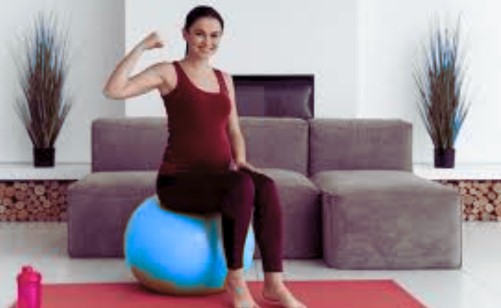
A stability ball creates a small, natural wobble that forces your muscles to engage. Unlike a hard bench, the ball challenges your balance, which activates your core and back muscles without stressing your spine. This activation is especially useful for people who sit for long hours or those with weak stabilizing muscles.
Gym ball exercises for back pain also support flexibility. They stretch the hips, hamstrings, and lower back, which are often tight when pain is present. Over time, your posture improves, your core becomes stronger, and the spine feels supported throughout daily movements.
Benefits of Using a Gym Ball for Back Relief
Improves Core Strength
The gentle instability of the ball encourages deeper abdominal engagement. A strong core reduces pressure on the lower back and keeps your spine aligned.
Enhances Posture
The ball naturally guides you into sitting upright. This reduces slouching and helps train better posture habits.
Strengthens the Lower Back
Many gym ball exercises directly target weak lumbar muscles. This improves overall stability and reduces future discomfort.
Increases Flexibility
The ball supports natural stretching, helping you ease tension from the hips, spine, and hamstrings.
Reduces Pressure on Joints
Because the ball is soft, it absorbs pressure and allows smooth movement. This makes it safe for beginners and people with mild discomfort.
Safety Tips Before You Begin
Choose the Correct Ball Size
Height matters when selecting your ball:
- Under 5’4″ → 55 cm
- 5’4″–5’11” → 65 cm
- Over 6 ft. → 75 cm
Move Slowly
The purpose of gym ball exercises for back pain is control, not speed. Slow movements activate the right muscles.
Avoid Sharp Pain
Stop immediately if you feel anything sharp or sudden. Mild stretching or warmth is normal; sharp pain is not.
Use a Non-Slip Surface
A yoga mat or carpet keeps the ball steady and prevents unnecessary movement.
Best Gym Ball Exercises for Back Pain Relief
Below are simple, safe movements you can practice at home. Each exercise contains clear instructions and its benefits.
1. Pelvic Tilts on the Gym Ball
How to Do It:
Sit on the ball with your feet flat. Gently tilt your pelvis forward to create a small arch in your lower back. Then tilt backward to round your spine slightly. Repeat 10–15 times.
Why It Helps:
This movement improves lower back mobility and reduces stiffness that builds up from long hours of sitting.
2. Seated Marching Balance
How to Do It:
Sit tall on the ball and lift one foot a few inches off the floor. Hold for a second and switch sides. Continue alternating legs for 12–15 reps each.
Why It Helps:
This is one of the most effective gym ball exercises for back pain because it strengthens deep stabilizing muscles without pressure on the spine.
3. Back Extension Roll-Out
How to Do It:
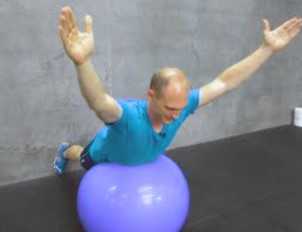
Kneel in front of the ball, place your elbows on it, and slowly roll forward until your spine extends. Roll back and repeat 8–12 times.
Why It Helps:
It stretches the upper and mid-back, which often become stiff from deskwork.
4. Gym Ball Hip Bridge
How to Do It:
Lie on your back with your feet on the ball. Lift your hips to form a straight line from shoulders to knees. Lower slowly and repeat 10–12 times.
Why It Helps:
Strengthens the glutes, hamstrings, and lower back—key muscles for supporting the spine.
5. Child’s Pose Stretch Using the Ball
How to Do It:
Kneel and place your hands on the ball. Roll it forward as you sit back on your heels. Hold the stretch for 20–30 seconds.
Why It Helps:
Releases tightness through the entire spine, especially after a long day.
6. Supine Lower Back Rocking
How to Do It:
Lie down and rest your calves on the ball. Gently rock the ball side-to-side for 10–15 reps.
Why It Helps:
Loosens the lumbar area and eases muscle tension.
7. Wall Squat with Gym Ball
How to Do It:
Place the ball between your mid-back and a wall. Squat down slowly and rise back up. Perform 10–12 reps.
Why It Helps:
Strengthens the legs and core while supporting the spine, making it safe for beginners.
8. Seated Spine Twist
How to Do It:
Sit tall on the ball, place your hands on your shoulders, and rotate gently from side to side.
Why It Helps:
Improves mid-back mobility and helps reduce stiffness.
9. Cat-Cow with the Gym Ball
How to Do It:
Position your hands on the ball and move through gentle cat-cow motions for 10–12 reps.
Why It Helps:
Promotes healthy spinal movement and releases stiffness through the back.
How Often Should You Do These Exercises?
Doing these gym ball exercises for back pain three to four times, a week works well for most people. You can also perform short stretching sessions daily. Many people notice improvements in posture, flexibility, and comfort within two to six weeks. Consistency always matters more than intensity.
Why Strengthening Your Core Helps Your Back
Weak core muscles often place unnecessary pressure on the spine. This leads to pain during normal activities like bending, sitting, or lifting. Because the gym ball challenges balance, it activates deep core muscles that traditional exercises overlook. This improves stability, alignment, and overall comfort.
How Gym Ball Exercises Improve Everyday Life
- Better posture at work
- Less stiffness in the morning
- Smoother movement during daily tasks
- Easier bending and lifting
- More comfort while sleeping
Small improvements add up over time and support long-term back health.
Common Mistakes to Avoid
- Choosing the wrong ball size
- Rushing through exercises
- Holding your breath
- Overarching your back
- Not keeping feet grounded during balance movements
Good form improves results and reduces unnecessary strain.
Who Should Try Gym Ball Exercises?
These movements are ideal for:
- Office workers
- Beginners
- Older adults
- Anyone with mild back stiffness
- People wanting gentle home workouts
- Anyone recovering from posture-related discomfort
If your pain is severe or getting worse, always consult a professional.
The Gym Ball: A Simple Tool with Powerful Results
A gym ball may look basic, but it delivers impressive benefits when used correctly. It strengthens your core, improves posture, increases flexibility, and supports the spine. For anyone experiencing mild to moderate discomfort, gym ball exercises for backpain offer a safe and affordable solution that improves daily comfort over time. Even a small $13 upgrade in equipment can make your home routine more effective.
TABLE: Gym Ball Exercises for Back Pain (Quick Reference)
| Exercise | Benefit | Difficulty | Reps |
| Pelvic Tilts | Mobility & relief | Beginner | 10–15 |
| Seated Marching | Core stability | Beginner | 12–15 per leg |
| Roll-Out | Spine stretch | Beginner | 8–12 |
| Hip Bridge | Lumbar strength | Beginner | 10–12 |
| Child’s Pose | Full back release | Beginner | 20–30 sec |
| Supine Rocking | Lumbar loosening | Beginner | 10–15 |
| Wall Squat | Leg & core strength | Beginner | 10–12 |
| Spine Twist | Mobility | Beginner | 10–12 |
| Cat-Cow | Flexibility | Beginner | 10–12 |
Frequently Asked Questions
1. Is a gym ball safe for people with back pain?
Yes, most people with mild to moderate back stiffness can benefit from gym ball exercises. If you have severe or sharp pain, talk to a professional first.
2. How long before I see results?
Most people feel improvements within 2 to 6 weeks of consistent practice.
3. Can I do these exercises every day?
Gentle stretches can be done daily. Strength exercises are best done 3–4 times weekly.
4. Which ball size should I choose?
55 cm for shorter users, 65 cm for most adults, and 75 cm for taller individuals.
5. Can gym ball exercises help posture?
Yes. They strengthen your core, which naturally improves your posture.
6. Do I need extra equipment?
Just a pump and a yoga mat usually around $13 total.
7. Are these exercises suitable for beginners?
Absolutely. Every movement is low-impact and beginner-friendly.
8. Can gym ball exercises reduce stiffness from sitting?
Yes. They gently stretch and strengthen muscles affected by long sitting hours.