

How to Relieve Back Pain After Knee Surgery
How to Relieve Back Pain After Knee Surgery
Most people expect knee pain, swelling, and slow mobility after knee surgery. What strikes many patients as a surprise is a mild lower back pain that appears a few days after recovery. If you are wondering how to relieve back pain after knee surgery, you are not dealing with anything unusual or unusual. Your body has spent weeks adjusting to a knee that isn’t moving as well as it used to, and your spine is shouldering some of that load. The good news is that this type of back pain, usually, resolves when you make specific changes to how you walk, sit, sleep, and stretch during your recovery.
Key Takeaways
- Back pain after knee surgery is usually linked to changes in your gait, posture, and muscle strength, not a new spine injury.
- Most patients notice improvement within two to six weeks as walking mechanics normalize.
- Correcting your walking pattern and strengthening your core can ease pressure on your lower back faster than rest alone.
- Sleeping position and the height of your walker or cane matter more than most patients realize.
- Pain that spreads down your leg, includes numbness, or keeps getting worse deserves a call to your doctor.
Quick Tip:
Set a timer to stand and walk for two to three minutes every half hour during the day. This one habit does more for lower back comfort than most people expect during the first two weeks of recovery.
Expert Tip:
Ask your physical therapist to record a short video of you walking during one of your early sessions, then again around week four. Comparing the two side by side makes it much easier to see exactly how your gait has improved, and it keeps you motivated when progress feels slow day to day.
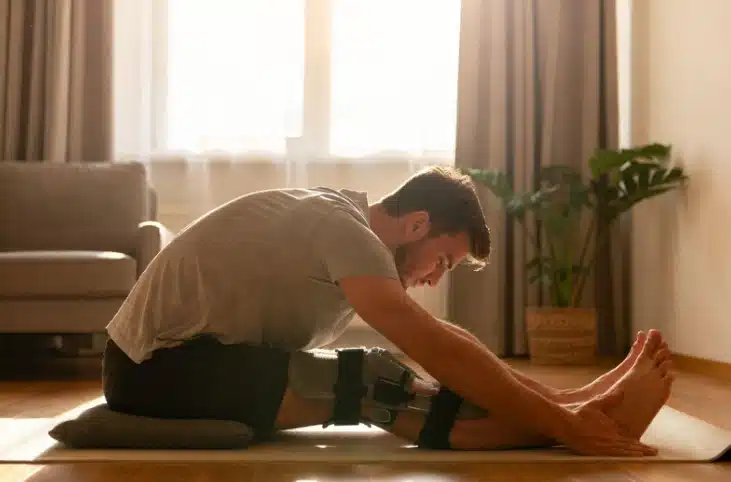
What Causes Back Pain After Knee Surgery?
Your lower back and knees are linked to the way you walk. When a joint is no longer working as it should, the muscles and joints around it adjust, and the bones in your spine often work harder. That is why many patients have wondered why they have back pain after knee replacement surgery, even though the surgery had nothing to do with the spinal cord.
I have come in front of you repeatedly during some important mornings. You may be walking with a short stride on the side of the operation, which will push your pelvis with every step. Your hip and core muscles, which have become weak due to less activity in the past few days, are now able to maintain your posture like never before. Sitting for long periods of time, using a walker set on a high chair, and sleeping in a position that causes your lower back to arch, all put more pressure on it. If you had mild arthritis or disc problems before surgery, your movement may have changed and that old problem may return.
Is Lower Back Pain Common After Knee Surgery?
Yes, lower back pain is common after knee surgery, and in most cases, it is mild to moderate rather than severe. Surgeons and physical therapists see this pattern so often that it is considered a normal part of recovery, not a complication. Your body is working hard to protect your healing knee, and this protective movement pattern puts new demands on muscles that were not previously under this kind of strain.
Still, ‘common’ does not mean you should ignore it. Mild back pain that eases with movement and stretching is one thing. Pain that persists, wakes you at night, or radiates down your leg is a different story and is important to mention at your next follow-up appointment. Knowing the difference helps, you relax about general pain and remain alert to signs that need attention.
How Long Does Back Pain Last After Knee Replacement?
For most patients, back pain after knee replacement starts easing within two to three weeks and is largely gone by the six-week mark. This timeline lines up closely with how long it takes your walking pattern to return to something close to normal. Once you are bearing weight evenly on both legs and your knee bends without heavy guarding, the extra strain on your spine drops off.
If you had back pain or a spine condition before your knee surgery, your timeline might stretch out longer, since the surgery did not create that issue and won’t fix it either. Patients who skip physical therapy sessions or stay overly cautious with walking also tend to carry the compensatory gait, and the back pain, longer than they need to. If your back pain is still bothering you two to three months after surgery, it’s a good time to loop your surgeon or physical therapist back in.
12 Ways to Relieve Back Pain After Knee Surgery
1. Improve Your Walking Mechanics
Your gait is often the root cause here, so fixing it fixes a lot at once. A physical therapist can watch you walk and point out exactly where you are shifting weight away from the operated leg. Small corrections like lengthening your stride evenly and keeping your pelvis level, take real pressure off your lower back within days.
2. Follow Your Physical Therapy Program Consistently
Skipping sessions or doing the exercises halfheartedly slows down every part of recovery, including your back pain. Your therapist builds the program around restoring knee strength and range of motion, both of which directly reduce how much your spine has to compensate. Showing up consistently, even when you are tired or sore, pays off faster than you would expect.
3. Strengthen Your Core Muscles
Your core acts as the support system for your entire spine, and weeks of reduced activity leave it noticeably weaker. Simple moves like pelvic tilts and gentle bridges, done under your therapist’s guidance, rebuild that support without stressing your healing knee. A stronger core means your back stops carrying weight it was not designed to hold alone.
4. Stretch Tight Hip Muscles
Tight hip flexors pull on your lower back and exaggerate the arch in your spine, which makes back pain worse with every step. Gentle stretches, held for twenty to thirty seconds and repeated a few times a day, loosen this tension gradually. Your physical therapist can show you, which stretches, are safe given your knee’s current healing stage.
5. Avoid Sitting for Long Periods
Sitting for an hour or more tightens your hip flexors and puts sustained pressure on your lower back discs. Set a reminder to get up and move every thirty to sixty minutes, even if it is just standing and walking a short distance around the room. This one habit change makes a noticeable difference for many patients within the first week.
6. Sleep in a Better Position
Your sleeping position either supports your spine’s natural alignment or works against it for six to eight hours straight. Back sleeping with a pillow under your knees, or side sleeping with a pillow between your knees, keeps your hips level and takes strain off your lower back. We will cover this in more detail further down; since it is one of the questions patients ask most.
7. Use Ice or Heat at the Right Time
Ice works best in the first 48 hours after a flare up, since it reduces inflammation in the muscles around your spine. Heat is better for ongoing tightness and stiffness, since it increases blood flow and relaxes tense muscles before stretching or walking. Fifteen to twenty minutes at a time, with a barrier between the pack and your skin, is enough for either approach.
8. Maintain Good Posture While Standing and Sitting
Slouching or leaning to favor your operated knee shifts extra load onto your lower back with every hour you hold that position. Stand with your weight evenly distributed on both feet and sit with your back supported and your knees roughly level with your hips. It takes conscious effort at first, but it becomes automatic within a couple of weeks.
9. Wear Supportive Footwear
Worn out shoes with no arch support change how your foot strikes the ground, and that change travels all the way up to your lower back. A supportive, well-fitted pair of walking shoes, even an affordable one in the $80 range, keeps your gait more stable while you are relearning how to walk normally. Avoid flip-flops, slippers, or anything with a flat, unsupportive sole during this recovery window.
10. Stay Hydrated
Dehydration makes muscles more prone to cramping and stiffness, which adds an extra layer of discomfort on top of your existing back pain. Muscles and spinal discs both rely on adequate fluid to function properly, so staying hydrated supports your recovery in a way that is easy to overlook. Aim for steady water intake throughout the day rather than large amounts all at once.
11. Manage Your Weight During Recovery
Extra weight adds direct pressure on both your healing knee and your lower spine, making recovery slower on both fronts. You do not need to start a strict diet right after surgery, but paying attention to portion sizes and reducing processed foods helps. Even a small reduction in load makes walking and standing noticeably more comfortable.
12. Ask Your Therapist to Specifically Check Your Gait
Many patients focus every question on their knee and never ask their therapist to look at their overall walking pattern. Request a dedicated gait check, ideally with video if your clinic offers it, so you can see exactly what is happening. This single conversation often uncovers the specific habit that has been feeding your back pain.

Best Sleeping Positions for Knee Surgery Patients With Back Pain
If sleeping position is causing your back pain after knee surgery, a few adjustments make a real difference. Back sleeping with a pillow placed under your knees is generally the most supportive option, since it keeps your lower spine in a neutral position and takes pressure off the discs. If you’re more comfortable on your side, place a pillow between your knees so your hips stay level instead of rotating, which reduces twisting through your lower back overnight.
Stomach sleeping is worth avoiding during this stage of recovery. It forces your lower back into an arched position for hours and can also put awkward pressure on your knee depending on how your leg is positioned. If you are used to sleeping on your stomach, a body pillow along your side can help retrain your position gradually rather than forcing an uncomfortable overnight switch.
Exercises That Help Relieve Back Pain After Knee Replacement
The exercises that help here are gentle, low impact, and focused on mobility and support rather than intensity. Pelvic tilts, done lying down with your knees bent, activate your core without straining your knee. Bridges build strength in your glutes and lower back, both of which support your spine during walking. A gentle hamstring stretch, a hip flexor stretch, and slow cat-cow movements on all fours (if your knee allows kneeling) round out a simple routine that most patients tolerate well.
A short, consistent walking program rounds out this list and deserves its own mention. Walking after knee surgery, done in short sessions with attention to posture, retrains your gait and builds strength at the same time. Always confirm with your surgeon or physical therapist before adding any new exercise, since your safe range depends entirely on how your specific knee is healing.
What to Avoid During Recovery
A few habits slow down back pain recovery more than most patients expect. Sudden twisting movements, especially when reaching for something behind you, strain a lower back that’s already compensating for your knee. Heavy lifting, even something as ordinary as a full laundry basket, adds pressure your spine is not ready for yet. Long periods of sitting, poor posture, and skipping physical therapy sessions all feed into the same cycle of stiffness and compensation. Ignoring severe or worsening symptoms, hoping they’ll resolve on their own, is the habit that causes the most regret among patients who wait too long to get checked.
When Should You Call Your Doctor About Back Pain After Knee Surgery?
Most back pain after knee surgery is manageable at home, but certain signs mean it’s time to call your doctor without delay. A fever, numbness or tingling running down your leg, or any loss of bladder or bowel control are red flags that need immediate medical attention. Severe swelling, pain that keeps increasing rather than easing, or difficulty walking that isn’t improving also warrant a call.
Should you worry about severe back pain after knee surgery? If the pain is sharp, sudden, or paired with any of the symptoms above, yes, it’s worth getting checked rather than waiting it out. Pain that lingers for several weeks without any improvement, even if it’s mild, is also worth mentioning at your follow up visit. Your care team would rather hear about it early than have you push through something that needed attention.
Recovery Timeline for Back Pain After Knee Surgery
| Week 1 to 2 | Normal soreness, altered walking pattern, mild back discomfort |
| Week 3 to 6 | Walking improves, back pain typically starts decreasing |
| Week 6 to 12 | Strength returns, posture normalizes, back pain mostly resolved |
| Beyond 3 months | Persistent pain is uncommon and deserves medical evaluation |
FAQ Schema Questions
1. Is back pain normal after knee surgery?
Yes, some back pain is common after knee surgery. Your walking pattern changes while you protect the healing knee, and this shifts extra load onto your lower back and hips. Lying in bed longer than usual and reduced activity also weaken your back muscles for a while. Mild to moderate discomfort usually fades as your gait returns to normal.
2. Why does my lower back hurt after knee replacement?
After surgery, you likely favor the operated leg, and this changes how your hips and pelvis move with each step. This uneven movement puts strain on the muscles and joints in your lower back. Swelling, stiffness, and limited knee bending add to the problem, since your body compensates by shifting weight through your spine instead of your knee.
3. How long does back pain last after knee surgery?
For most people, back pain eases within two to six weeks as the knee heals and walking mechanics return to normal. If you had back issues before surgery, recovery might take longer, since the surgery does not fix an existing spine problem. Back pain sticking around past two months is worth discussing with your surgeon or physical therapist.
4. What is the fastest way to relieve back pain after knee surgery?
Ice or heat applied to your lower back for fifteen to twenty minutes brings quick relief for many patients. Gentle stretching, short walks with proper posture, and adjusting how you sit and stand also cut down strain fast. Your doctor might suggest an over the counter pain reliever for short-term relief while your body adjusts to its new movement pattern.
5. Does physical therapy help reduce back pain after knee replacement?
Yes, physical therapy plays a direct role in easing back pain after knee replacement. A therapist works on your knee’s range of motion and strength while also correcting the walking pattern causing back strain. Targeted core and hip exercises take pressure off your spine and speed up recovery for both your knee and your back.
6. Can walking incorrectly cause back pain after knee surgery?
Yes, an altered walking pattern is one of the biggest reasons for back pain after knee surgery. When you avoid putting full weight on the operated leg, your hips tilt and your spine curves to make up for it. Over days and weeks, this repeated movement strains the muscles along your lower back. Walking aids and physical therapy help fix your gait before the pattern becomes a habit.
7. Which sleeping position is best for reducing back pain after knee surgery?
Sleeping on your back with a pillow under your knees takes pressure off your lower spine and keeps your hips aligned. If you prefer sleeping on your side, place a pillow between your knees to keep your hips level and cut down twisting in your lower back. Avoid sleeping on your stomach, since it arches your lower back and adds strain.
8. When should I see a doctor for back pain after knee surgery?
Contact your doctor if back pain gets worse instead of better, spreads down your leg, or comes with numbness or tingling. Pain that keeps you from sleeping, standing, or doing daily physical therapy exercises also needs medical attention. These signs point to something beyond normal muscle strain and deserve a proper checkup.
9. Can a walker or cane contribute to back pain during recovery?
Yes, using a walker or cane at the wrong height forces you to hunch or lean, and this puts strain on your lower back. Setting the walker’s handles at wrist height, with your arms hanging naturally, keeps your posture upright and eases back strain. Your physical therapist can adjust the height and show you the right way to use it.
10. What exercises are safe for back pain after knee surgery?
Gentle stretches like knee to chest pulls, pelvic tilts, and seated hamstring stretches ease tension in your lower back without stressing your knee. Walking short distances with good posture and doing core-strengthening exercises, such as bridges, also support your spine during recovery. Check with your surgeon or physical therapist before starting new exercises, since your safe range depends on how your knee is healing.
Back pain after knee surgery feels alarming at first, especially when you were only expecting knee related discomfort. In reality, it’s a predictable side effect of the way your body adapts while your knee heals, and it responds well to the same things that help your knee recover: consistent physical therapy, better walking mechanics, smarter sleeping positions, and a bit of patience. Pay attention to your posture, keep moving in small doses throughout the day, and stay in touch with your care team about anything that feels off. Give it time, follow the guidance from the people managing your recovery, and your back should settle down right alongside your knee.