
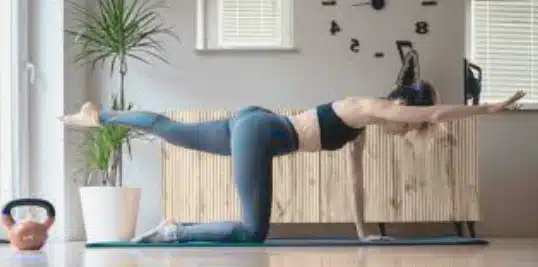
L5-s1 Stances To Do At Home: Safe, Effective Relief And Strength Guide
L5-S1 Stances to Do at Home: A Practical Guide for Everyday Back Care
Lower back discomfort is one of the most common problems faced by adults today, especially those who sit for long hours or lift incorrectly. The L5-S1 area, located at the base of the spine, plays a major role in supporting body weight and movement. When this region becomes stressed, even simple daily tasks can feel challenging.
The good news is that gentle, well-planned stances done at home can support mobility, stability, and comfort around the L5-S1 joint. These movements do not require expensive equipment or a gym membership. With consistency and proper technique, they can become part of a healthy daily routine.
This article is written to help you understand L5-S1 stances to do at home in a clear, realistic, and supportive way. You will learn why these stances matter, how to perform them safely, and how to fit them into your lifestyle without fear or confusion.
Understanding the L5-S1 Region in Simple Terms
The L5-S1 joint connects the last lumbar vertebra to the sacrum. It acts as a transition point between the flexible lower spine and the stable pelvis. Because of this role, it absorbs a great deal of pressure during walking, bending, and lifting.
Poor posture, weak core muscles, sudden movements, or long periods of inactivity can overload this area. Over time, stiffness or irritation may develop. This does not mean you should avoid movement altogether. In fact, smart and controlled movement is often helpful.
Learning appropriate L5-S1 stances to do at home can help maintain strength and flexibility around this sensitive joint. The key is choosing stances that respect natural spinal alignment and avoid sudden strain.

Why Home-Based Stances Are a Smart Choice
Doing stances at home allows you to move at your own pace and in a familiar environment. There is no pressure to perform or compare yourself with others. This comfort makes it easier to stay consistent.
Home-based stances also encourage better body awareness. You can focus on breathing, alignment, and muscle engagement without distractions. Over time, this awareness can carry over into daily activities like sitting, standing, and lifting.
Most importantly, L5-S1 stances to do at home are accessible. They require minimal space and can be adjusted based on your comfort level, making them suitable for beginners and experienced movers alike.
Safety Guidelines Before You Begin
Before starting any new movement routine, it is important to listen to your body. Mild muscle stretching is normal, but sharp or worsening discomfort is not. Stop any stance that feels uncomfortable.
Move slowly and avoid bouncing or forcing positions. Controlled movements protect the spine and help muscles work together properly. Breathing should remain steady and relaxed throughout each stance.
If you have a diagnosed spinal condition or ongoing pain, consider consulting a qualified professional before starting. These stances are meant for general support and awareness, not as a replacement for medical care.

Best L5-S1 Stances to Do at Home
Below are carefully selected stances that focus on stability, gentle mobility, and posture awareness. Perform them on a comfortable surface such as a yoga mat or carpet.
Standing Neutral Spine Hold
This stance teaches proper alignment, which is essential for protecting the L5-S1 area. Stand with feet hip-width apart and knees slightly bent. Imagine your head floating upward while your tailbone points gently toward the floor.
Engage your core lightly and relax your shoulders. Hold this position for 30 to 60 seconds while breathing naturally. This stance helps train your body to maintain a healthy posture during daily tasks.
Practicing this stance regularly supports long-term spinal habits and reduces unnecessary stress on the lower back.
Wall-Supported Hip Hinge
Stand with your back facing a wall and feet about one foot away. Slowly hinge forward at the hips until your hips touch the wall. Keep your spine long and avoid rounding your back.
Pause briefly, and then return to standing. Repeat this movement 8 to 10 times with control. This stance improves hip mobility while teaching the spine to stay stable.
It is one of the most practical L5-S1 stances to do at home because it directly relates to safe bending mechanics.
Kneeling Pelvic Tilt Hold
Begin on your knees with hands resting on your thighs. Gently tilt your pelvis forward and backward until you find a neutral position. Hold this neutral alignment for 20 to 30 seconds.
Focus on slow breathing and light core engagement. This stance builds awareness of pelvic positioning, which directly affects the L5-S1 joint.
Over time, this simple stance can improve coordination between the pelvis and lower spine.

Supported Forward Lean Stance
Stand facing a sturdy chair or table. Place your hands on the support and step back slightly. Lean forward while keeping your spine long and hips pushed back.
This stance creates gentle decompression in the lower back without forcing a deep stretch. Hold for 20 to 40 seconds while breathing calmly.
It is especially useful after long periods of sitting and can be repeated several times a day.
Side-Lying Spine Alignment Stance
Lie on your side with knees slightly bent and a pillow between them. Align your head, ribs, and hips in a straight line. Rest one hand on your abdomen and breathe deeply.
Hold this position for one to two minutes. This stance encourages spinal neutrality and relaxation around the L5-S1 area.
It is an excellent option for evening routines or recovery days.
Here is Weekly Home Routine Example
A simple routine helps turn these stances into a habit. Below is a sample structure you can adjust as needed?
| Day | Focus | Stances Included |
| Monday | Posture Awareness | Standing Neutral Spine, Pelvic Tilt |
| Wednesday | Mobility Support | Hip Hinge, Supported Forward Lean |
| Friday | Relaxation | Side-Lying Alignment, Neutral Hold |
| Sunday | Light Review | Choose any two stances |
Consistency matters more than duration. Even 10 to 15 minutes per session can make a meaningful difference.
How These Stances Support Daily Life
The real value of L5-S1 stances to do at home lies in how they translate to everyday movement. Better alignment reduces strain during sitting, standing, and walking.
Improved hip control helps protect the spine when lifting objects or reaching forward. Calm breathing and controlled motion also reduce unnecessary muscle tension.
Over time, these small improvements add up. Many people notice better comfort, improved confidence in movement, and a greater sense of control over their bodies.
Common Mistakes to Avoid
One common mistake is rushing through stances without paying attention to form. Quality always matters more than speed or repetition count.
Another issue is holding the breath. Breath holding increases tension and reduces the effectiveness of each stance. Keep breathing smooth and steady.
Finally, avoid copying advanced movements seen online without proper preparation. The goal is safe, sustainable progress, not quick results.
Building Long-Term Confidence in Movement
Confidence comes from understanding your body and respecting its limits. These stances encourage gentle exploration rather than force.
As your awareness improves, you may find that daily movements feel smoother and less guarded. This mental shift is just as important as physical strength.
Investing in simple home-based care can save time, energy, and even costs in the long run. Some people spend $67 on short-term solutions, but consistent movement habits often provide greater value.
Lifestyle Tips to Support the L5-S1 Area
Movement alone is not enough. Daily habits play a major role in spinal health. Try to change sitting positions often and avoid slouching for long periods.
When lifting, bend at the hips and keep objects close to your body. Use your legs rather than your back whenever possible.
Adequate sleep, hydration, and light daily activity also contribute to overall spinal comfort and resilience.
Frequently Asked Questions
How often should I practice these stances?
Most people benefit from practicing L5-S1 stances to do at home three to four times per week. Short, consistent sessions are more effective than occasional long ones.
Can beginners do these stances safely?
Yes, these stances are designed with simplicity and control in mind. Start slowly and focus on alignment rather than depth.
Do I need special equipment?
No special equipment is required. A mat, chair, or pillow is enough for comfort and support.
When should I stop a stance?
Stop immediately if you feel sharp discomfort, dizziness, or unusual pressure. Comfort and control should always guide your practice.
Can these stances replace professional care?
These stances support general movement and awareness. They are not a substitute for professional evaluation or treatment when needed.
Final Thoughts: Making Home Care a Habit
Taking care of your lower back does not need to be complicated. Simple, well-chosen movements practiced regularly can support strength, alignment, and confidence.
By focusing on L5-S1 stances to do at home, you give your body the chance to move naturally and comfortably. The key is patience, awareness, and consistency.
When movement becomes part of your routine rather than a reaction to discomfort, you build a foundation for long-term spinal health. This approach aligns perfectly with sustainable fitness and everyday well-being.