Neck Exercises Gym Equipment : Complete Guide 2026
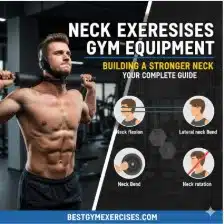
Neck Exercises Gym Equipment, Building a Stronger Neck, Your Complete Guide.
Your neck does more heavy lifting than you might realize. Every day, it supports the weight of your head, enables movement in multiple directions, and plays a crucial role in your overall posture and athletic performance. Yet, neck training often gets overlooked in traditional workout routines. Whether you’re an athlete looking to prevent injuries, someone dealing with desk-related tension, or a fitness enthusiast aiming for balanced muscle development, understanding neck exercises gym equipment can transform your training approach.
The right tools make neck strengthening safer, more effective, and surprisingly straightforward. This guide walks you through everything you need to know about equipment designed specifically for neck training, helping you build strength and resilience in this often-neglected area.
Key Takeaways
- Dedicated neck exercises gym equipment provides safer and more controlled resistance than improvised methods
- Both commercial gym machines and home gym neck exercises equipment offer effective training options
- Proper form and progressive resistance matter more than expensive equipment
- Consistent neck training improves posture, reduces injury risk, and enhances athletic performance
- Starting with bodyweight exercises before adding equipment builds a solid foundation
Why Your Neck Deserves Dedicated Training Equipment
Most people spend hours training their arms, chest, and legs but completely ignore their neck muscles. This creates an imbalance that can lead to poor posture, increased injury risk, and even aesthetic concerns. Your neck contains complex musculature that supports your head (which weighs about 10 to 12 pounds) and allows for remarkable range of motion. When these muscles are weak, other areas compensate, often leading to shoulder tension, headaches, and reduced athletic performance.
Using proper neck exercises gym equipment addresses these issues systematically. Unlike improvised methods that can strain the delicate structures in your neck, dedicated equipment provides controlled resistance and proper support. For athletes in contact sports like football, wrestling, or rugby, a strong neck can literally be the difference between walking away from a collision and suffering a serious injury. Even for everyday fitness enthusiasts, neck training equipment helps combat the forward head posture that comes from hours at a computer or looking down at phones.
Understanding Different Types of Neck Training Machines
Plate-Loaded Neck Machines
Commercial gyms often feature plate-loaded machines designed specifically for neck training. These robust pieces of equipment allow you to perform four-way neck exercises: flexion (nodding forward), extension (tilting back), and lateral flexion (tilting side to side). The advantage of these neck exercises gym machine options is their stability and adjustability. You sit or lie in a fixed position while a padded lever arm provides resistance against your head movement.
These machines typically cost between $800 and $2,500 for commercial-grade models, though some basic versions start around $400. They’re built to handle heavy use and provide smooth, controlled resistance throughout the movement. The padding protects your head and face while ensuring the resistance transfers effectively to your neck muscles. For serious athletes or dedicated training facilities, this represents one of the most comprehensive solutions available.
Neck Harnesses and Head Straps
A neck harness is one of the most versatile and affordable pieces of home gym neck exercises equipment you’ll find. This simple device consists of a padded strap system that wraps around your head, with a chain or strap hanging down to which you attach weight plates. The beauty of harnesses lies in their simplicity and effectiveness. You can perform extensions, flexions, and lateral movements with just this single piece of equipment.
Quality neck harnesses range from $25 to $95, making them accessible for almost any budget. The $95 models typically feature premium padding, reinforced stitching, and more durable attachment systems that will last for years of regular use. They’re also incredibly portable, fitting easily into a gym bag, which makes them perfect for travelers or people who train at multiple locations. When shopping for a harness, look for adjustable sizing, thick padding around the forehead and chin, and strong chain links or straps rated for the weight you plan to use.
Manual Resistance Tools and Bands
Resistance bands and manual resistance devices offer another category of neck exercises gym equipment that’s both effective and budget-friendly. These tools work differently than weight-based equipment by providing variable resistance throughout the movement. Some devices use spring-loaded mechanisms, while others rely on elastic bands or your training partner’s hands to create resistance.
Manual resistance training teaches you to control the tempo and feel the muscle contraction throughout the entire range of motion. This develops a mind-muscle connection that’s valuable for neck training, where proper form is paramount. Band-based systems typically cost between $15 and $60, while more sophisticated manual resistance devices might run $80 to $200. These options work exceptionally well for beginners who need to build foundational strength before progressing to heavier resistance.
Essential Equipment for Home Neck Training
Building Your Home Setup
Creating an effective home gym neck exercises equipment collection doesn’t require a massive investment or dedicated space. Start with the fundamentals: a quality neck harness, a set of resistance bands with varying tensions, and a stable bench or chair for seated exercises. This basic setup allows you to perform a comprehensive list of neck exercises covering all movement patterns.
For those with a bit more space and budget, consider adding a specialized neck developer bench. These angled benches support your torso while allowing your head to extend off the edge, creating an ideal position for weighted neck exercises. Some designs include built-in weight pegs or plate storage. A complete home setup including harness, bands, bench, and a few weight plates can be assembled for around $200 to $400, providing everything needed for serious neck development.
Space-Saving Options
Not everyone has room for bulky equipment. Fortunately, effective neck training in home settings is entirely possible with minimal space. A door-mounted resistance band system offers one clever solution. These attach to any sturdy door and provide resistance for neck exercises without requiring floor space when not in use. Similarly, some neck exercises machine options designed for home use fold flat or disassemble for storage.
Wall-mounted systems represent another space-efficient approach. These install on a wall like a pull-up bar and provide attachment points for bands or cable-based neck exercises. When choosing space-saving equipment, prioritize build quality over price. A well-made resistance band system that lasts years is a better investment than cheap equipment you’ll need to replace repeatedly.
Examples of Neck Exercises You Can Perform
Fundamental Movement Patterns
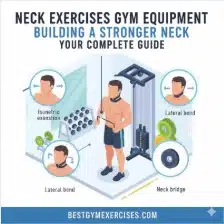
Understanding examples of neck exercises helps you select the right equipment for your goals. The four primary movements are neck flexion (bringing chin to chest), neck extension (tilting head back), and lateral flexion to both sides. Each movement targets specific muscle groups. Flexion works the sternocleidomastoid and anterior neck muscles, extension develops the upper trapezius and posterior neck muscles, and lateral movements strengthen the scalenes and side neck muscles.
Using neck exercises gym equipment, you can perform these movements with progressive resistance. Start each movement from a neutral position, move through a full but comfortable range of motion, and return with control. Never jerk or use momentum. A typical set might include 12 to 15 controlled repetitions, with the last few feeling challenging but manageable. As you grow stronger, increase resistance gradually rather than jumping up in weight too quickly.
Advanced Techniques and Variations
Once you’ve mastered basic movements, exploring a more comprehensive list of neck exercises opens new training possibilities. Isometric holds involve holding your head in a position against resistance without movement, building incredible strength and endurance. Rotational movements, where you turn your head against resistance, develop the rotator muscles of the neck. Diagonal patterns combine flexion or extension with lateral movement for a more functional training approach.
These variations prevent training plateaus and ensure balanced development across all neck muscles. How can I exercise my neck muscles effectively? The answer involves progressive overload, varied movement patterns, and consistent training frequency. Most people benefit from neck training two to three times per week, allowing adequate recovery between sessions while maintaining consistent stimulus for growth.
Selecting Equipment Based on Your Training Goals
For Athletic Performance
Athletes in contact sports need neck exercises gym equipment that allows heavy, progressive loading. Are there neck exercises that specifically reduce concussion risk? While no exercise eliminates concussion risk entirely, research shows that stronger neck muscles better stabilize the head during impact, potentially reducing concussion severity. For these athletes, a combination of weighted harness exercises and machine-based training provides optimal results.
The equipment should allow you to work in both strength-focused rep ranges (6 to 10 reps with heavier resistance) and endurance ranges (15 to 20 reps with moderate resistance). Multi-directional capability is essential since impacts in sports come from all angles. Budget $150 to $300 for a comprehensive athletic neck training equipment setup, or utilize commercial gym machines if available.
For Posture and Pain Management
If your primary goal involves correcting forward head posture or managing neck tension, your equipment needs differ from an athlete’s. Lighter resistance with higher repetitions and longer time under tension works better for these goals. Resistance bands excel here because they provide gentle, controlled resistance that won’t aggravate existing issues.
Look for adjustable resistance levels so you can start very light and progress slowly. Some people find that isometric holds using manual resistance or light bands provide the most relief from chronic tension. Neck exercises gym equipment for therapeutic purposes should emphasize control and comfort over maximum resistance. A modest investment of $40 to $100 covers everything needed for posture-focused neck training.
For General Fitness and Aesthetics
Balanced neck development contributes to an athletic, proportional appearance. For general fitness enthusiasts, moderate resistance training that complements your existing routine works well. A neck harness paired with your regular weight plates offers an economical solution. You can incorporate neck training at the end of your regular workouts without needing separate equipment or significant time investment.
This approach typically involves 2 to 3 sets of each basic movement pattern, performed after your main training session. The equipment requirements remain minimal, and the time commitment is just 10 to 15 minutes twice weekly. This consistency builds noticeable neck development over several months while improving overall neck health and function.
Safety Considerations When Using Neck Training Equipment
Proper Form and Progression
The neck contains delicate structures including vertebrae, nerves, and blood vessels. Using neck exercises gym equipment safely requires strict attention to form. Always start with very light resistance or even just bodyweight movements to learn proper positioning. Your head should move smoothly through its natural range of motion without forcing or straining.
Never use jerky movements or momentum when training your neck. The temptation to use heavier weights can lead to injury quickly. Progress by adding small increments of weight or resistance only after you can complete all planned sets with perfect form. If you experience sharp pain, numbness, tingling, or dizziness during neck exercises, stop immediately and consult a healthcare professional before continuing.
Warming Up and Recovery
Your neck training session should always begin with a thorough warm-up. Gentle range of motion exercises without resistance prepare the muscles and joints for loaded work. Spend five minutes performing slow, controlled movements in all directions. This increases blood flow and reduces injury risk significantly.
Recovery matters just as much as the training itself. The neck muscles are relatively small and can become overtrained if you don’t allow adequate rest. Two to three training sessions per week with at least one full rest day between sessions works well for most people. Using neck exercises gym equipment shouldn’t leave you sore for days. If you experience prolonged soreness or stiffness, reduce training frequency or intensity until your recovery improves.
Integrating Neck Training Into Your Overall Fitness Program
Your neck doesn’t exist in isolation. It connects to your upper back, shoulders, and core, all working together for movement and stability. Effective neck training considers these relationships. Performing your neck exercises gym routine after your regular upper body or back workout often works well since your neck muscles are already warm from compound movements.
Some trainers recommend dedicating one session per week specifically to neck and trap development, combining direct neck work with shrugs and upper back exercises. This focused approach can accelerate progress. Others prefer splitting neck training across multiple sessions, perhaps doing anterior neck work after chest day and posterior neck work after back day. Experiment to find what works best with your schedule and recovery capacity.
Expert Tip
Professional strength coaches often recommend the “10% rule” for neck training progression. Never increase resistance by more than 10% in a single session, and never add more than 10% total volume per week. This conservative approach keeps your training sustainable and injury-free.
Comparison of Popular Neck Training Equipment
| Equipment Type | Price Range | Portability | Best For | Space Required |
|---|---|---|---|---|
| Neck Harness | $25-$95 | Excellent | All levels, home use | Minimal |
| Resistance Bands | $15-$60 | Excellent | Beginners, travel | Minimal |
| Plate-Loaded Machine | $400-$2,500 | Poor | Advanced athletes, gyms | Significant |
| Manual Resistance Device | $80-$200 | Good | All levels | Minimal |
| Neck Developer Bench | $150-$400 | Fair | Serious home gyms | Moderate |
Quick Tip
Start your neck training journey with just bodyweight exercises for the first two weeks. This builds awareness of proper movement patterns before adding any resistance, significantly reducing injury risk.
Frequently Asked Questions
How often should I train my neck muscles? Most people benefit from training their neck 2 to 3 times per week. This frequency provides enough stimulus for adaptation while allowing adequate recovery. Beginners should start with twice weekly sessions, gradually increasing to three times per week as strength and conditioning improve. Always allow at least 48 hours between neck training sessions.
Can I build a strong neck without expensive equipment? Absolutely. While commercial neck exercises gym machine options offer convenience, effective neck training is possible with minimal investment. A quality neck harness for under $95 combined with weight plates you already own provides everything needed for comprehensive neck development. Resistance bands and bodyweight exercises also deliver excellent results when performed consistently.
Are there neck exercises that work for older adults? Yes, neck training benefits people of all ages. Older adults should focus on lighter resistance with higher repetitions, emphasizing controlled movements and proper form. Resistance bands work particularly well for this population, providing gentle resistance without joint stress. Always consult with a healthcare provider before starting any new exercise program, especially if you have existing neck or spine conditions.
What’s the difference between neck exercises gym and home training? The main differences involve equipment variety and convenience. Commercial gyms typically offer specialized machines that provide smooth, guided resistance. Home gym neck exercises equipment tends toward versatile, compact tools like harnesses and bands. Both approaches can be equally effective when the exercises are performed correctly with appropriate progression.
How long before I see results from neck training? Most people notice increased neck endurance and reduced tension within 3 to 4 weeks of consistent training. Visible muscle development typically becomes apparent after 8 to 12 weeks of progressive training. Remember that neck muscles respond to the same principles as other muscles: consistent training, progressive overload, adequate nutrition, and sufficient recovery drive results.
Making Your Equipment Investment Count
Purchasing neck exercises gym equipment represents an investment in your long-term health and fitness. Choose quality over quantity. A single well-made neck harness will serve you better than multiple cheap tools that break or cause discomfort. Read reviews from actual users, paying attention to comments about durability and comfort during use.
Consider your specific needs before buying. If you travel frequently for work, portability matters more than having the most sophisticated equipment. If you’re training for a specific sport, choose equipment that allows the movement patterns most relevant to your athletic demands. For general fitness, start with basic equipment and expand your collection only as your training advances and you identify specific needs.
Creating a Sustainable Neck Training Routine
Consistency trumps intensity when building neck strength. A modest routine performed regularly produces better results than aggressive training done sporadically. Design your program around exercises you can perform with available equipment, in the time you realistically have available. A simple routine might include:
- Neck flexion: 2 sets of 12-15 reps
- Neck extension: 2 sets of 12-15 reps
- Lateral flexion (each side): 2 sets of 12-15 reps
- Isometric holds: 2 sets of 20-30 seconds each direction
This basic template using any type of neck exercises gym equipment takes just 15 minutes but addresses all major movement patterns. Track your workouts in a simple log, noting weights used, repetitions completed, and how you felt during the session. This record helps you progress systematically and identifies when you’re ready to increase resistance.
Final Thoughts: Building Your Neck Training Foundation
Your neck connects your body to your head, quite literally bridging the gap between your physical strength and mental focus. Investing in appropriate neck exercises gym equipment and learning to use it properly pays dividends far beyond aesthetic improvements. You’ll move better, feel more confident, and potentially prevent injuries that could sideline your training or impact your daily life. Whether you choose a simple harness for home use or access comprehensive machines at a commercial facility, the key lies in consistent, progressive training with proper form. Start conservatively, progress patiently, and make neck training a permanent part of your fitness routine. Your future self will thank you for the strength, stability, and resilience you’re building today. The equipment is just the tool—your commitment to regular, intelligent training is what transforms potential into results.