
The Best Foods to Eat Before a Workout, According to Experts
Fuel Your Performance: The Best Foods to Eat Before a Workout, According to Experts
Ever hit the gym or started a run only to feel sluggish, fatigued, or just plain not into it halfway through? You’re not alone. That feeling often comes down to an unsung hero of fitness: pre-workout nutrition. What you eat before you exercise isn’t just about staving off hunger; it’s about providing your body with the clean, efficient fuel it needs to push harder, go longer, and recover faster. It’s the essential foundation for maximizing your performance and seeing real results from all your hard work. This strategic fueling process is key to ensuring a high-quality training session every time.
The Science Behind Pre-Workout Fuel
Before we dive into the specific menu items, it’s crucial to understand why certain foods are better than others. Think of your body as a high-performance vehicle. You wouldn’t put low-grade fuel into a race car, right? Your body is the same. The best foods to eat before a workout are scientifically chosen to achieve three main goals: maximizing energy stores, preventing muscle breakdown, and ensuring hydration. By understanding the underlying mechanics, you gain control over your energy levels.
In this Article
- Fuel Your Performance: The Best Foods to Eat Before a Workout, According to Experts
- Timing is Everything: When to Eat for Optimal Performance
- Here is the Pre-Workout Fueling Window Breakdown
- Expert-Approved Pre-Workout Foods: Our Top Picks
- What to Avoid: Common Pre-Workout Pitfalls
- Frequently Asked Questions (FAQs) About Pre-Workout Fuel
- Building Your Personalized Pre-Workout Plan
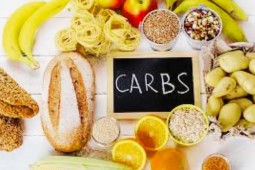
Carbohydrates: Your Primary Energy Source
For most workouts, especially those that are moderate to high-intensity carbohydrates are your body’s preferred fuel. When you eat them, your body breaks them down into glucose, which is stored in your muscles and liver as glycogen. This glycogen is the easily accessible, fast-burning energy that powers your lifts, sprints, and reps. Without adequate glycogen stores (a process known as Glycogen Synthesis), your energy levels crash, and you might experience that dreaded bonk or premature fatigue. Prioritizing the right type of carbohydrates is the first step toward superior sports nutrition.
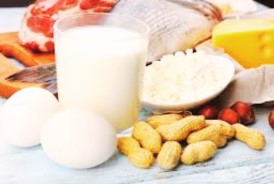
Protein: Protecting Your Hard-Earned Muscle
While carbs are for energy, protein is vital for muscle protection. Consuming protein before a workout provides your body with amino acids, the building blocks of muscle. This is particularly important for strength training or long endurance sessions. By having amino acids readily available in your bloodstream, you reduce the rate of muscle breakdown (Catabolism) during the workout, setting the stage for faster repair and growth once your session is complete. A small amount of lean protein paired with your carbohydrates is a powerhouse combination that protects your gains.
Timing is Everything: When to Eat for Optimal Performance
Even the perfect meal can sabotage your workout if eaten at the wrong time. This is where pre-workout nutrition becomes a strategic game. The timing essentially dictates the size and composition of your meal, ensuring the food is digested enough to provide energy but not so much that it causes stomach discomfort. The duration of your training and its intensity are the biggest factors dictating your timing strategy.
Here is the Pre-Workout Fueling Window Breakdown
| Time Before Workout | Goal | Ideal Macronutrient Focus | Sample Meal Ideas |
| 2-3 Hours | Optimal fuel, sustained energy | Complex Carbs, Lean Protein, Small Healthy Fat | Oatmeal with protein powder, banana, and nuts; Chicken breast with brown rice; Whole-grain sandwich with lean turkey. |
| 60-90 Minutes | Digestible fuel, quick energy access | Simple/Moderate Carbs, Light Protein | Greek yogurt with berries; Apple slices with a spoonful of peanut butter; Small protein shake. |
| 30 Minutes or Less | Rapid energy boost, electrolyte support | Simple Carbs, Minimal Protein/Fat | Banana; Small handful of raisins; Energy gel; Small glass of coconut water (for Electrolytes). |

Hydration: The Unspoken Macronutrient
Regardless of when or what you eat, water intake is paramount. Dehydration can quickly compromise performance, leading to fatigue, dizziness, and muscle cramps. Always ensure you are well-hydrated in the hours leading up to your workout, not just in the final few minutes. Proper hydration is a fundamental component of sports nutrition and directly impacts the effectiveness of every training session.
Expert-Approved Pre-Workout Foods: Our Top Picks
When we analyze the advice from certified dietitians and performance experts, a few staples consistently rise to the top of the list for providing sustainable, effective energy. Integrating these into your routine can make a significant difference in your training session quality.
Carbohydrate Powerhouses for Sustained Energy
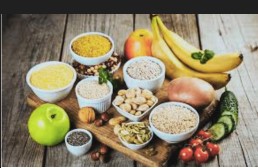
The Humble Banana
The banana is practically the official mascot of pre-workout food, and for good reason. They are packed with easily digestible carbohydrates and are an excellent source of potassium, an essential electrolyte that aids in muscle function and can help prevent cramps. Whether you’re lifting weights or going for a long run, a banana is a fast, effective, and portable source of instant energy. They often cost less than $7 for a whole bunch! This makes them one of the most cost-effective forms of workout fuel available.
Good Old-Fashioned Oatmeal
Oatmeal, particularly the slow-cooking variety, is a fantastic source of complex carbohydrates. It digests gradually, providing a steady release of glucose into your bloodstream. This slow burn is perfect for sustained, long-duration workouts, offering true sustained energy. Adding a small amount of protein powder or a few nuts can turn it into a perfectly balanced pre-training meal that adheres to the best pre-workout nutrition guidelines.
Sweet Potatoes and Whole Grain Toast
For those with a 2-3 hour window, baked sweet potatoes offer dense, nutrient-rich complex carbohydrates and plenty of fiber. Whole grain toast is a lighter option; topped with a bit of avocado (healthy fat, but keep it small) or honey, it’s a quick-fuel snack that is easy on the stomach before an intense exercise routine.
Essential Protein for Muscle Preservation
Greek Yogurt
Greek yogurt is a protein heavyweight. It’s dense with high-quality protein and can be easily customized. Combining it with a small amount of fruit (carbs) and a drizzle of honey makes it an ideal, easily digestible mini-meal 60-90 minutes before a session. The easily accessible protein helps in initiating muscle repair and minimizes catabolism during heavy lifting.
Eggs and Egg Whites
Eggs are a complete protein source, meaning they contain all nine essential amino acids. For a meal consumed several hours out, a scramble or a few hard-boiled eggs with whole-grain toast provides excellent fuel. If you’re sensitive to fat, stick to the whites for a faster-digesting, protein-only boost, ensuring rapid delivery of building blocks before physical activity.
Lean Chicken or Fish
For your main pre-workout meal (2-3 hours out), a small serving of lean protein like grilled chicken or tuna can provide the necessary amino acids without the excessive fat content that can slow digestion. This ensures your muscles are primed and ready for action before you begin your physical activity, supporting overall muscle maintenance and growth.
What to Avoid: Common Pre-Workout Pitfalls
Knowing what to eat is only half the battle; knowing what to avoid is just as important for a successful training session. Certain foods can lead to digestive issues, energy crashes, and severely diminish your performance.
- Excessive Fats: While healthy fats are important, they slow digestion significantly. Eating a high-fat meal close to your workout can lead to stomach cramps, sluggishness, and even nausea because your body is busy trying to digest instead of sending blood to your working muscles. Avoid heavy, fried, or overly creamy foods.
- High-Fiber Foods (close to the workout): Fiber is fantastic for general health, but consuming too much of it right before a high-intensity workout can lead to gas, bloating, and urgent restroom breaks. Save the huge salad or beans for a post-workout meal.
- Simple Sugars (in isolation): While a little sugar (like in a piece of fruit) is great, a sugary candy bar or soda will cause a rapid spike and then a rapid crash in blood sugar—the last thing you need mid-set. Stick to whole food sources for your energy needs to ensure smooth sailing throughout your physical activity.
Frequently Asked Questions (FAQs) About Pre-Workout Fuel
Is it okay to work out on an empty stomach (fasted cardio)?
For low-to-moderate intensity workouts like a casual walk or light yoga, working out fasted is generally fine and sometimes preferred for personal preference or scheduling. However, for high-intensity or long-duration training sessions (e.g., heavy lifting, long runs), it’s highly recommended to consume at least a small amount of easily digestible carbohydrates, like a banana, to maximize performance and prevent muscle breakdown. Fueling ensures optimal Glycogen Synthesis for energy.
What is the most important macronutrient to eat before a workout?
The most critical macronutrient is carbohydrates. They are the body’s most efficient source of workout fuel and directly replenish muscle glycogen stores, which power all intense physical activity. Protein is the second most important, as it supplies amino acids to prevent catabolism (muscle breakdown).
How long should I wait after eating a big meal before exercising?
Nutrition experts generally recommend waiting at least 2 to 3 hours after a large, balanced meal (containing fats, fiber, and protein) before engaging in intense exercise. This allows enough time for the stomach to process the food, preventing cramps, nausea, and sluggishness, and ensuring blood flow is diverted to the muscles, not the digestive tract.
Are sports drinks good for pre-workout energy?
Sports drinks (those containing carbs and electrolytes) are often best reserved for during or after very long (over 90 minutes) or extremely intense workouts. They provide quick sugar and replace lost sodium. For a standard 45 to 60 minute gym session, focusing on water and a small, whole-food snack like a banana is a better choice for pre-workout nutrition.
Building Your Personalized Pre-Workout Plan
There is no one-size-fits-all meal plan. Every body is different, and finding the best foods to eat before a workout requires a bit of experimentation. The key is to pay attention to how you feel during your workout and adjust your meal composition and timing accordingly. Start with the expert-recommended staples, carbs for energy, protein for muscle support and tailor the portion sizes to your unique needs and the intensity of your exercise routine. This thoughtful approach to your sports nutrition is an investment in your fitness journey.
Ultimately, your pre-workout meal is a tool, a strategic step in your overall fitness plan. By choosing the right combination of complex carbohydrates and lean protein at the right time, you can unlock a new level of performance, making every session more productive and enjoyable. Fuel smart, train hard, and watch your results soar!