Pole Fitness Strength Exercises || Benefits, Muscles Worked, Workout Plan and || Buying Guide
Pole Fitness Strength Exercises || Benefits, Muscles Worked, Workout Plan and || Buying Guide
Pole fitness has now moved far beyond dance studios and performance spaces. Today, many people use it as a whole-body training method that incorporates strength, balance, flexibility, and coordination. Whether your goal is improved fitness, better body control, or learning a new skill, it is important to build a strong foundation before attempting advanced movements. This is where pole fitness strength exercises come in.
Unlike traditional workouts that focus on one or two muscle groups, pole training challenges your upper body, core, grip, and lower body all at the same time. Beginners often start with simple conditioning drills before progressing to spins, climbs, and holds. Experienced athletes also use targeted exercises to improve endurance and reduce the risk of injury. In this guide will explains how to use pole fitness strength exercises effectively, what muscles they train, and how you can build strength at home or in the gym.
Key Takeaways
- Pole training develops upper body, core, grip, and lower body strength together.
- Beginners should start with conditioning exercises before learning advanced moves.
- Home workouts and gym exercises can improve pole performance even without a pole.
- Consistent training helps improve posture, coordination, and body control.
- A balanced approach with strength work, mobility, and recovery gives better long-term results.
Pole Fitness at a Glance
| Feature | Details |
| Training Level | Beginner to Advanced |
| Main Goal | Strength, coordination, and mobility |
| Workout Time | 30 to 60 minutes |
| Equipment | Pole, resistance bands, pull-up bar, mat |
| Main Muscles | Core, back, shoulders, arms, glutes |
| Home Friendly | Yes |
| Gym Friendly | Yes |
What Are Pole Fitness Strength Exercises?
Pole fitness strength exercises are conditioning movements designed to improve the physical abilities needed for pole training. These exercises develop grip strength, pulling power, shoulder stability, core control, and lower body endurance.
Many people think pole fitness relies solely on flexibility, but strength plays an equally important role. Holding your body weight, climbing, spinning, and maintaining balance requires muscle control from head to toe. For this reason, athletes often combine bodyweight exercises, resistance training, and mobility work with regular pole sessions.
For beginners, these exercises build a strong foundation and make learning easier. For experienced practitioners, they help improve performance and ensure safe training.
Benefits of Pole Fitness Strength Exercises
Build Functional Strength
One of the biggest advantages of pole fitness strength exercises is the development of practical, functional strength. Instead of training muscles in isolation, pole workouts teach your body to work as one unit.
Movements such as hangs, climbs, planks, and pulls improve strength that transfers into daily life. Carrying bags, lifting objects, maintaining good posture, and improving balance all become easier with regular training.
Improve Grip Endurance
Grip strength is essential in pole fitness. Your hands and forearms support much of your body weight during climbs and holds.
Simple drills such as dead hangs, towel hangs, and farmer carries help improve endurance. Stronger grip muscles also benefit other activities including weight training, climbing, tennis, and gymnastics.
Increase Core Stability
A strong core supports almost every movement in pole training. During spins and holds, the abdominal muscles help maintain control and alignment.
Exercises such as hollow body holds, planks, leg raises, and controlled rotations strengthen the muscles around the abdomen and lower back. Better core strength often leads to improved balance and reduced strain on the spine.
Support Shoulder Health
Healthy shoulders are important for safe training. Pulling, pushing, and stabilizing movements improve strength in the muscles around the shoulder joint.
This is why many coaches include face pulls, resistance band work, and controlled hanging exercises as part of strength and conditioning for pole routines.
Improve Coordination and Body Awareness
Pole fitness requires the body to move smoothly through different positions. Regular practice improves body awareness and coordination.
These benefits extend beyond exercise and help with posture, movement efficiency, and confidence during physical activities.
Muscles Worked During Pole Fitness Strength Exercises
Pole training engages many muscles at the same time. The following table shows the primary muscle groups involved.
| Muscle Group | Main Function |
| Core | Stability and balance |
| Latissimus Dorsi | Pulling and climbing |
| Biceps | Arm flexion |
| Forearms | Grip strength |
| Shoulders | Stability and support |
| Chest | Pushing movements |
| Glutes | Hip control and power |
| Hamstrings | Leg stability |
| Quadriceps | Lower body support |
| Calves | Balance and control |
Core Muscles
The abdominal muscles, obliques, and lower back work continuously during pole training. These muscles help maintain body position during spins, holds, and transitions.
Back Muscles
The lats, rhomboids, and traps are heavily involved in pulling actions. Climbing the pole and supporting body weight require strong back muscles.
Arms and Grip
The biceps, forearms, and hands work together to improve grip endurance and control. This is why many beginner pole conditioning exercises focus on hanging drills and grip work.
Lower Body
The glutes, quadriceps, hamstrings, and calves contribute to stability and movement. Lower body strength helps support transitions and improves balance.
Strength and Conditioning for Pole
A structured approach to strength and conditioning for pole helps improve progress while reducing the risk of overtraining.
Many athletes divide training into three main areas:
- Strength training
- Mobility work
- Recovery
Strength sessions focus on pull exercises, core training, and grip development. Mobility sessions improve shoulder, hip, and spine movement. Recovery days allow muscles to adapt and grow stronger.
Consistency matters more than intensity. Two to four focused sessions each week often produce better results than occasional hard workouts.
Best Beginner Pole Conditioning Exercises
Starting with simple movements helps build confidence and strength.
Dead Hangs
Hanging from a pull-up bar strengthens the hands, forearms, shoulders, and back.
Plank Variations
Front planks and side planks improve core stability and body awareness.
Scapular Pulls
These exercises teach proper shoulder engagement and prepare the upper body for climbing movements.
Hollow Body Holds
A strong hollow body position improves control during spins and inversions.
Assisted Pull-Ups
Resistance bands or assisted machines help beginners build pulling strength safely.
These beginner pole conditioning exercises create a solid foundation before progressing to advanced skills.
Pole Conditioning Exercises Without Pole
Not everyone has access to a dance studio or a home pole. The good news is that you can still make steady progress with pole conditioning exercises without pole. These workouts strengthen the same muscles used during pole practice while improving coordination and stability.
Focus on exercises that mimic pulling, hanging, and controlled body movements. A doorway pull-up bar, resistance bands, and a pair of dumbbells are enough for many effective sessions. As your strength improves, returning to the pole often feels easier because your body is better prepared for demanding movements.
Dead Hangs
Hang from a pull-up bar for 15 to 45 seconds. Keep your shoulders engaged instead of letting them rise toward your ears. This exercise develops grip strength and shoulder endurance.
Resistance Band Rows
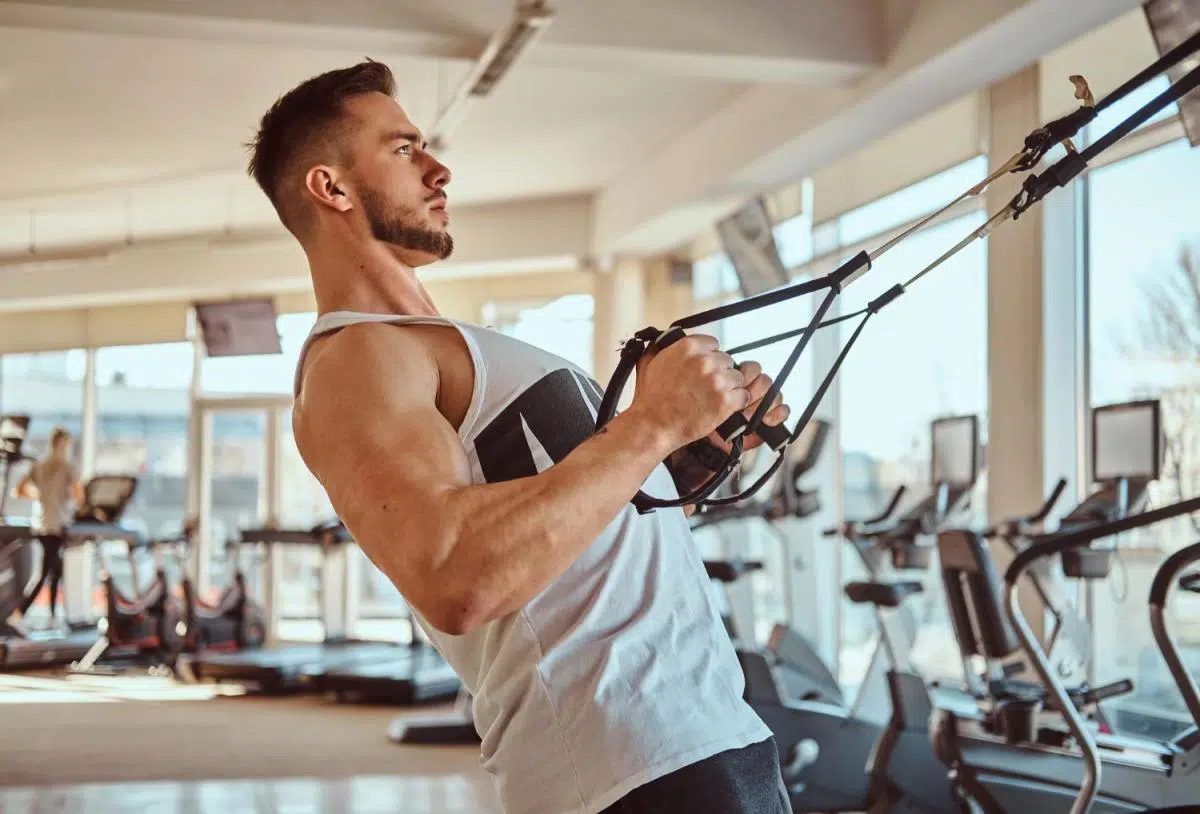
Attach a resistance band to a sturdy anchor and pull your elbows toward your sides. This movement strengthens the upper back and supports climbing movements.
Hollow Body Hold
Lie on your back with your arms overhead and legs extended. Lift your shoulders and feet slightly off the floor while keeping your lower back in contact with the ground. Hold for 20 to 40 seconds.
Push-Ups
Push-ups strengthen the chest, shoulders, and triceps while improving body control. Beginners can perform them on their knees or against a wall before progressing to the floor.
Farmer Carries
Hold a heavy dumbbell or kettlebell in each hand and walk slowly for 30 to 60 seconds. This simple movement builds grip endurance, core stability, and posture.
These pole conditioning exercises without pole fit easily into most home workout routines.
Pole Conditioning Exercises Gym Routine
Many commercial gyms have everything needed to improve pole performance. A well-planned pole conditioning exercises gym routine focuses on pulling strength, shoulder stability, grip endurance, and core control instead of simply lifting the heaviest weights.
Aim for controlled movements with good technique. Quality repetitions build stronger movement patterns than rushing through heavy sets.
| Exercise | Sets | Repetitions |
| Lat Pulldown | 3 | 10-12 |
| Seated Cable Row | 3 | 10-12 |
| Dumbbell Shoulder Press | 3 | 8-10 |
| Face Pull | 3 | 12-15 |
| Romanian Deadlift | 3 | 10 |
| Hanging Knee Raise | 3 | 10-15 |
| Farmer Carry | 3 | 40 seconds |
Lat pulldowns strengthen the lats and improve pulling power. Cable rows develop the middle back while encouraging better posture. Face pulls help balance shoulder muscles and support healthier movement during climbs and spins.
Adding grip training at the end of the workout further supports long-term progress.

Pole Exercises, Pole Conditioning Exercises at Home
Many people begin their journey with pole exercises pole conditioning exercises at home because it is convenient and budget friendly. A small training area and a few pieces of equipment are enough for productive sessions.
An effective home workout does not need to last an hour. Thirty to forty minutes of focused training performed consistently often leads to noticeable improvements.
Sample Home Session
Warm-up for 5 minutes.
Perform:
- 12 Bodyweight squats
- 10 Incline push-ups
- 12 Resistance band rows
- 30-second hollow hold
- 30-second side plank each side
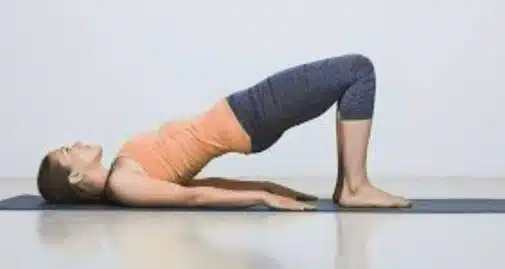
- 20 Glute bridges
- 30-second dead hang
Repeat the circuit three times.
Finish with gentle stretches for the shoulders, hips, wrists, and back.
These pole exercises pole conditioning exercises at home improve strength while helping your body recover between pole sessions.
Off Pole Conditioning Exercises
Many athletes become stronger even on days when they never touch the pole. That is why experienced coaches recommend regular off pole conditioning exercises.
These sessions improve movement quality while reducing overuse injuries. They also strengthen muscles that support challenging skills such as inversions, climbs, and static holds.
Useful exercises include:
Pull-Ups
One of the best movements for developing pulling strength.
Bulgarian Split Squats
Improve balance while strengthening the legs and glutes.
Single-Leg Romanian Deadlifts
Develop hip stability and coordination.
Pallof Press
An effective anti-rotation exercise for building core stability.
Wrist Mobility Drills
Healthy wrists tolerate training loads more comfortably and recover faster after challenging sessions.
Adding one or two off pole conditioning exercises sessions every week helps maintain progress even when you cannot attend a pole class.
Pole Dancing Exercises and Their Role in Strength Development
Many people associate pole fitness with choreography, but pole dancing exercises also provide an effective strength workout.
Beginner movements often include:
- Pole walks
- Fireman spins
- Chair spins
- Pole sits
- Basic climbs
These movements teach body positioning while gradually increasing grip endurance and upper-body strength.
As confidence grows, students learn transitions, controlled descents, and static holds. Each new skill challenges the body in different ways, creating gradual improvements without rushing progression.
Instead of chasing difficult tricks immediately, spending time mastering basic pole dancing exercises builds a stronger and safer foundation.
Pole Dancing Exercises vs Pole Fitness Strength Exercises
Although these terms are often used together, they have different training goals.
| Pole Dancing Exercises | Pole Fitness Strength Exercises |
| Focus on movement flow | Focus on strength development |
| Include choreography | Include conditioning drills |
| Improve coordination | Improve muscular endurance |
| Build confidence | Build pulling and grip strength |
| Often music based | Often structured like a gym workout |
Most successful athletes combine both approaches. Strong conditioning makes technical skills easier, while dance practice improves timing, coordination, and body awareness.
Sample Weekly Workout Plan
A balanced schedule helps beginners recover while continuing to build strength.
| Day | Workout |
| Monday | Upper body strength and grip training |
| Tuesday | Pole practice and flexibility |
| Wednesday | Core training and mobility |
| Thursday | Lower body strength session |
| Friday | Pole skills and endurance |
| Saturday | Light cardio, stretching, or yoga |
| Sunday | Full recovery |
Keep each workout between 30 and 60 minutes long. Gradually increase repetitions or resistance rather than drastically changing training volume.
A structured routine combining pole fitness strength exercises, mobility work, and recovery often yields consistent progress over several months.
Final Thoughts
Pole fitness strength exercises form the practical foundation that turns aspiration into achievable skill. They develop functional strength, grip endurance, core stability, shoulder health and coordination in a single coherent system. Beginners gain the capacity to learn safely; experienced athletes refine performance and resilience. Whether performed on a pole, at a gym, or with minimal home equipment, these movements produce measurable improvements when approached with consistency and patience.
A balanced weekly plan that mixes strength work, pole practice, mobility and recovery creates the conditions for steady progress. Choosing appropriate equipment and avoiding common training errors further supports long-term success. By treating conditioning as an integral part of the journey rather than an optional extra, anyone can build the physical qualities that make pole training both safer and more rewarding. Start with the basics, track small wins, and allow strength to accumulate over time. The results will appear not only on the pole but in everyday movement and confidence.