

Wheelchair Exercises for Weight Loss : Complete Guide 2026 to Getting Fit
Wheelchair Exercises for Weight Loss : Complete Guide 2026 to Getting Fit
Losing weight while using a wheelchair might feel challenging at first, but it’s absolutely achievable with the right approach. Many wheelchair users face unique obstacles when it comes to fitness and weight management, yet countless people have successfully transformed their health through adapted exercises. Whether you’re dealing with limited mobility, recovering from an injury, or managing a long-term disability, wheelchair exercises for weight loss can help you burn calories, build strength, and improve your overall wellness. This guide walks you through practical exercises, nutrition tips, and strategies designed specifically for wheelchair users who want to shed extra pounds and feel their best.
Key Takeaways:
- Wheelchair exercises can effectively support weight loss when combined with proper nutrition.
- Upper body movements and cardio adaptations burn significant calories.
- Consistency matters more than intensity when starting your fitness journey.
- Modified exercises make weight loss accessible for people with various mobility levels.
- Small daily movements add up to meaningful results over time.
Understanding Weight Loss for Wheelchair Users
Weight loss fundamentally comes down to burning more calories than you consume. For wheelchair users, this principle remains the same, though the approach needs adjustment. Your body still burns calories through daily activities and exercise, just in different ways than ambulatory individuals.
The metabolism of wheelchair users can vary based on muscle mass, activity level, and the extent of mobility limitation. Some people worry that using a wheelchair makes weight loss impossible, but research shows that’s simply not true. With adapted exercises and mindful eating habits, you can create the calorie deficit needed for weight loss while building functional strength.
Quick Tip: Start by tracking your daily food intake for one week without making changes. This awareness alone helps you identify eating patterns and areas for improvement.
Why Exercise Matters for Weight Management
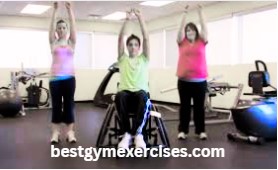
Exercise does more than just burn calories in the moment. Regular physical activity boosts your metabolism, helping your body burn more calories even at rest. For wheelchair users, upper body exercises become particularly valuable since they engage major muscle groups in your arms, shoulders, chest, and core.
Beyond weight loss, exercise improves cardiovascular health, enhances mood through endorphin release, and increases energy levels throughout the day. Many wheelchair users report feeling more independent and confident as their fitness improves. The psychological benefits often provide just as much motivation as the physical changes you’ll see.
Building Your Foundation: Getting Started Safely
Before jumping into any new exercise routine, consulting with your healthcare provider makes sense. They can advise you on any limitations specific to your condition and help you set realistic goals. A physical therapist familiar with adaptive fitness can also design a program tailored to your needs.
Start slowly and listen to your body. Pushing too hard initially often leads to burnout or injury, neither of which serves your long-term goals. Even five to ten minutes of exercise daily creates a foundation you can build upon. As your strength and endurance improve, gradually increase duration and intensity.
Expert Tip: Keep a fitness journal noting how you feel after each workout. This helps you identify which exercises energize you versus which ones might need modification.
Upper Body Cardio for Calorie Burning
Cardiovascular exercise gets your heart rate up and burns calories efficiently. For wheelchair users, arm cycling provides an excellent cardio workout. You can use a hand cycle machine at a gym or purchase a portable arm ergometer for home use. Start with 10-minute sessions and work up to 20-30 minutes as your endurance builds.
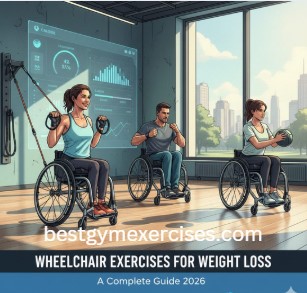
Wheelchair boxing offers another dynamic cardio option. Shadow boxing or using light hand weights while performing punching motions engages your core and upper body while elevating your heart rate. This high-energy activity can burn significant calories while being genuinely fun. Many adaptive fitness centers now offer wheelchair boxing classes where you can train with others.
Wheelchair basketball, tennis, or racing provides both cardio benefits and social connection. These sports burn serious calories while keeping exercise interesting. Even if competitive sports don’t appeal to you, practicing basic movements from these activities works wonderfully for fitness.

Strength Training to Boost Metabolism
Building muscle mass increases your resting metabolic rate, meaning you burn more calories throughout the day even when not exercising. Resistance bands offer a versatile, affordable option for wheelchair users. You can anchor them to your chair or door frame to perform rows, chest presses, and shoulder exercises.
Light dumbbells or filled water bottles work perfectly for bicep curls, overhead presses, and lateral raises. Start with weights that allow you to complete 12-15 repetitions with good form. As exercises become easier, gradually increase weight rather than rushing to lift heavy immediately.
Bodyweight exercises deserve attention too. Wheelchair push-ups involve placing your hands on your armrests or wheels and lifting your body up. This movement strengthens your triceps, shoulders, and chest. Seated dips using your chair’s armrests target similar muscle groups from a different angle.
Core Strengthening Exercises
Your core muscles support nearly every movement you make, and strengthening them helps with balance, posture, and overall function. Seated twists engage your obliques and can be performed with or without weights. Simply rotate your upper body from side to side while keeping your hips stable.
Forward bends strengthen your abdominal muscles while improving flexibility. Lean forward from your seated position, reaching toward your feet or as far as comfortable. Return to upright and repeat for 10-15 repetitions. This simple movement works your entire core effectively.
Medicine ball exercises add variety to core training. Holding a light medicine ball, you can perform figure-8 patterns, overhead lifts, or side-to-side passes. These dynamic movements engage multiple core muscles simultaneously while improving coordination.

Wheelchair Exercises for Legs (Where Possible)
If you have some leg function, incorporating lower body movements can significantly boost calorie burn. Seated leg lifts strengthen your quadriceps and hip flexors. Simply extend one leg straight out in front of you, hold for a few seconds, then lower and repeat. Start with 10 repetitions per leg.
Seated marching involves lifting your knees alternately as if marching in place. This gentle movement keeps your leg muscles active and burns additional calories. You can increase intensity by adding ankle weights once the basic movement becomes easy.
For those with more leg mobility, resisted leg presses using resistance bands provide excellent strength training. Wrap a band around your feet and press forward against the resistance. This exercise mimics the leg press machine found in gyms but adapts perfectly for wheelchair use.
Creating Your Weekly Exercise Schedule
Consistency drives results more than occasional intense workouts. Aim for at least 150 minutes of moderate-intensity exercise weekly, which breaks down to about 30 minutes five days a week. If that seems overwhelming initially, start with 10-minute sessions three times daily.
Sample Weekly Schedule:
Monday: 20 minutes arm cycling + 10 minutes strength training
Tuesday: 30 minutes wheelchair boxing or shadow boxing
Wednesday: 20 minutes resistance band workout focusing on back and shoulders
Thursday: Rest or gentle stretching
Friday: 25 minutes mixed cardio (arm cycling and wheelchair propulsion)
Saturday: 30 minutes wheelchair sports or recreational activity
Sunday: 20 minutes core-focused workout
Remember this schedule serves as a template. Adjust based on your current fitness level, schedule, and how your body responds. Some days will feel harder than others, and that’s completely normal.
Nutrition Fundamentals for Weight Loss
Exercise alone rarely produces significant weight loss without attention to nutrition. Creating a moderate calorie deficit of 500-750 calories daily typically results in losing one to one and a half pounds weekly, a sustainable pace that protects muscle mass.
Focus on whole foods like vegetables, fruits, lean proteins, and whole grains. These nutrient-dense options keep you satisfied while providing fewer calories than processed alternatives. Protein becomes especially important when exercising regularly, as it supports muscle repair and growth. Aim for a palm-sized portion of protein at each meal.
Hydration often gets overlooked but plays a crucial role in weight loss. Water helps your body function efficiently, supports metabolism, and can reduce hunger signals. Keep a water bottle within reach throughout the day and aim for at least eight glasses daily.

Meal Timing and Planning Strategies
Eating at consistent times helps regulate hunger and energy levels. Many people find success with three balanced meals plus one or two small snacks. Others prefer smaller, more frequent meals throughout the day. Experiment to find what works for your schedule and preferences.
Meal planning saves both time and calories. When you plan meals in advance, you’re less likely to resort to convenient but less nutritious options. Set aside time weekly to plan your meals and prepare what you can ahead. Having pre-cut vegetables, cooked proteins, and portioned snacks ready makes healthy eating much easier.
Consider your exercise timing when planning meals. Eating a light snack containing protein and carbohydrates about an hour before exercising provides energy for your workout. After exercising, refueling within an hour or two supports recovery and muscle building.
Common Obstacles and How to Overcome Them
Limited access to adaptive gym equipment frustrates many wheelchair users. However, home workouts using resistance bands, dumbbells, and your own body weight can be just as effective. Online workout videos designed specifically for wheelchair users provide structure and guidance when you need it.
Fatigue presents another common challenge, especially when starting a new routine. Begin with shorter workouts and gradually build endurance. If you have a condition causing chronic fatigue, working with a physical therapist helps you find the right balance between activity and rest.
Self-consciousness about exercising in public spaces affects many people. Starting with home workouts builds confidence before venturing to gyms or fitness classes. Many communities now offer adaptive fitness programs where everyone uses modified exercises, creating a supportive environment.
Tracking Progress Beyond the Scale
While weight loss might be your primary goal, the scale tells only part of the story. Taking body measurements monthly captures changes the scale might miss. Many people lose inches even when weight plateaus temporarily as they build muscle while losing fat.
Progress photos provide visual evidence of your transformation. Take photos from multiple angles monthly wearing the same clothes. These comparisons often reveal changes you don’t notice day-to-day.
Non-scale victories deserve celebration too. Notice if you can exercise longer without fatigue, if daily activities feel easier, or if your clothes fit differently. These functional improvements indicate real progress regardless of what the scale shows. Energy levels, mood improvements, and better sleep all count as meaningful success markers.
The Role of Rest and Recovery
Rest days are not lazy days; they’re when your body repairs and strengthens itself. Overtraining can actually hinder weight loss by elevating stress hormones and increasing injury risk. Schedule at least one or two complete rest days weekly where you focus on gentle stretching or simply relaxing.
Sleep quality significantly impacts weight loss success. Poor sleep disrupts hunger hormones, making you feel hungrier and less satisfied after eating. Aim for seven to nine hours nightly, maintaining consistent sleep and wake times even on weekends.
Active recovery days involve gentle movement that promotes blood flow without taxing your muscles. Light stretching, gentle wheelchair propulsion, or seated yoga all count as active recovery. These activities help reduce muscle soreness while keeping you in the habit of daily movement.
Staying Motivated Through Plateaus
Weight loss rarely follows a straight line downward. Plateaus happen to everyone and don’t mean you’ve failed. When weight stalls despite continued effort, reassess your calorie intake and exercise intensity. As you lose weight, your body requires fewer calories, so adjustments become necessary periodically.
Changing your exercise routine prevents both physical and mental plateaus. Your body adapts to repeated movements, becoming more efficient and burning fewer calories over time. Every four to six weeks, modify your workout by trying new exercises, adjusting weights, or changing the order of your routine.
Setting non-weight-related goals keeps motivation high during plateaus. Challenge yourself to complete a certain number of wheelchair push-ups, hold a plank position longer, or finish a specific distance using arm cycling. These performance goals provide satisfaction independent of scale movement.
Building a Support System
Sharing your goals with supportive friends or family members increases accountability. They can encourage you on difficult days and celebrate your successes. Be specific about the support you need rather than expecting others to read your mind.
Online communities for wheelchair users pursuing fitness offer connection with people facing similar challenges. These groups provide practical tips, motivation, and reminder that you’re not alone in this journey. Many members share their own experiences and strategies that might work for you.
Working with professionals adds valuable expertise to your efforts. A registered dietitian can create a meal plan considering your specific needs and preferences. Personal trainers with adaptive fitness certifications design safe, effective workouts tailored to your abilities. While professional support requires investment, many people find it worthwhile for the results and knowledge gained.
Technology and Apps to Support Your Goals
Fitness tracking apps help monitor exercise, nutrition, and progress over time. Many apps now include wheelchair-specific exercise options that more accurately calculate calories burned during adapted workouts. Popular options include MyFitnessPal for nutrition tracking and Strava for logging physical activity.
Wearable fitness devices provide real-time feedback on activity levels and heart rate. While many devices focus on step counting, some offer wheelchair push tracking and upper body movement recognition. These tools help you understand your daily activity patterns and set achievable targets.
Online workout platforms increasingly offer wheelchair-accessible content. Searching for ‘wheelchair workout’ or ‘adaptive fitness’ on YouTube yields numerous free workout videos. Some subscription services like Adaptive Training Foundation provide structured programs designed specifically for wheelchair users, taking the guesswork out of workout planning.
Understanding Your Investment: Cost Considerations
Starting wheelchair exercises for weight loss doesn’t require expensive equipment. Basic resistance bands typically cost around $15-20, while a set of light dumbbells might run $30-50. These simple tools provide everything needed for effective home workouts, making fitness accessible regardless of budget.
For those wanting more investment in their fitness journey, an arm ergometer ranges from approximately $121 for basic models to several hundred dollars for advanced versions with programmable workouts. This one-time purchase provides years of cardio exercise in your home, often proving more cost-effective than gym memberships over time.
Gym memberships at facilities with adaptive equipment typically cost similar to standard memberships, around $30-60 monthly. Many gyms now prioritize accessibility, offering specialized equipment and sometimes even adaptive fitness classes. Visiting potential gyms before joining ensures they have what you need.
Adapting Exercises for Different Abilities
Physical abilities vary widely among wheelchair users. Some people have full upper body strength but no lower body function, while others face different limitations. Every exercise in this guide can be modified to match your specific abilities.
If shoulder issues limit overhead movements, focus on exercises in the horizontal plane like rows and chest presses. Those with limited grip strength can use hooks or straps that secure weights to your wrists rather than requiring you to hold them.
For individuals with very limited upper body function, even small movements create benefits. Gentle range-of-motion exercises maintain flexibility and burn some calories. Working with a physical therapist helps you identify what you can safely do and how to progress gradually.
Long-Term Success and Lifestyle Changes
Quick fixes and extreme diets rarely produce lasting results. Instead, view this journey as building sustainable habits you can maintain long-term. Small changes that you can stick with consistently outperform dramatic overhauls that only last a few weeks.
Focus on progress, not perfection. Some days you’ll exercise as planned and eat well. Other days life gets in the way, and that’s okay. What matters is the overall pattern over weeks and months, not individual days. One less-than-ideal day doesn’t erase your progress or mean you should give up.
As you reach your initial weight loss goal, the journey doesn’t end. Maintenance requires ongoing attention to exercise and nutrition, though you might need fewer calories deficit and can ease up slightly on intensity. The habits you’ve built throughout your weight loss journey position you perfectly for long-term success.
Celebrating Your Success
Every milestone deserves recognition, whether losing your first five pounds, completing a full workout week, or simply feeling more energetic. Reward yourself with non-food treats like new workout clothes, a massage, or special time doing something you enjoy.
Share your achievements with your support system. People who’ve encouraged you throughout your journey want to celebrate with you. Your success might also inspire others facing similar challenges to start their own fitness journey.
Remember that you’re capable of more than you might have believed possible. Wheelchair exercises for weight loss work when you commit to consistency and patience. Your body is strong and capable of positive change regardless of your mobility level.
Moving Forward with Confidence
Starting your weight loss journey as a wheelchair user takes courage, but you’ve already taken the most important step by seeking information and educating yourself. The exercises, nutrition strategies, and tips covered in this guide provide a solid foundation for your transformation.
Begin where you are with what you have. You don’t need perfect conditions or expensive equipment to start making progress. Small actions taken consistently create remarkable results over time. Your wheelchair doesn’t define your capabilities or limit your potential for better health and fitness. With determination, proper approach, and patience, you can absolutely achieve your weight loss goals and discover strength you didn’t know you had.
Frequently Asked Questions
Q1: How much weight can I realistically lose per month using wheelchair exercises?
A1: Most people can safely lose 4-8 pounds monthly through consistent exercise and proper nutrition. This translates to approximately one to two pounds weekly, which health professionals consider sustainable. Faster weight loss often leads to muscle loss and makes maintaining results harder. Focus on steady progress rather than rushing, as gradual changes tend to stick long-term.
Q2: Do I need special equipment to do wheelchair exercises for weight loss?
A2: Basic equipment like resistance bands and light dumbbells (starting around $40 total) covers most exercises. Many effective workouts use just your wheelchair and body weight. While an arm ergometer offers excellent cardio options, alternatives like wheelchair propulsion, shadow boxing, and resistance band cardio work well without expensive purchases.
Q3: How do wheelchair exercises compare to walking for burning calories?
A3: Vigorous wheelchair propulsion or arm cycling burns roughly 200-400 calories per hour, comparable to moderate walking. Upper body exercises engage large muscle groups effectively for weight loss. While ambulatory exercise engages more total body mass, wheelchair-based cardio and strength training absolutely achieve meaningful calorie burn when performed consistently.
Q4: Can I lose belly fat specifically through wheelchair exercises?
A4: Spot reduction (losing fat from specific areas) isn’t possible regardless of mobility level. However, overall weight loss combined with core strengthening exercises will reduce belly fat while toning your midsection. Focus on creating a calorie deficit through full-body workouts and proper nutrition. As your body fat percentage decreases, you’ll notice changes in your abdominal area.
Q5: What should I do if I hit a weight loss plateau?
A5: Reassess your calorie intake first, as your body needs fewer calories at lower weights. Increase exercise intensity or duration slightly, or try new exercises to challenge different muscles. Ensure you’re getting adequate sleep and managing stress, as both affect weight loss. Sometimes patience works best; plateaus often break naturally after a few weeks if you maintain consistency.
Quick Reference Table: Wheelchair Exercises and Estimated Calorie Burn
| Exercise Type | Duration | Estimated Calories Burned | Equipment Needed |
| Arm Cycling (Moderate) | 30 minutes | 150-200 | Arm ergometer |
| Wheelchair Boxing | 20 minutes | 120-180 | Optional: light weights |
| Resistance Band Circuit | 25 minutes | 100-150 | Resistance bands |
| Wheelchair Basketball | 30 minutes | 180-250 | Basketball, court access |
| Upper Body Strength Training | 30 minutes | 90-120 | Dumbbells or bands |
| Core Exercises (Seated) | 15 minutes | 60-80 | Optional: medicine ball |
| Wheelchair Racing/Propulsion | 30 minutes | 180-240 | Wheelchair |
Note: Calorie burn varies based on body weight, intensity level, and individual metabolism. These estimates represent averages for a 150-pound individual at moderate intensity.